Ukraine is rolling out new drone interceptors as night strikes rise across the country. The systems are built to stop Russian drones that move faster and fly higher. The new tools are used by mobile teams that work in cities and near power sites. They are now a key part of Ukraine’s air defense plan. The main keyword is “drone interceptors.”
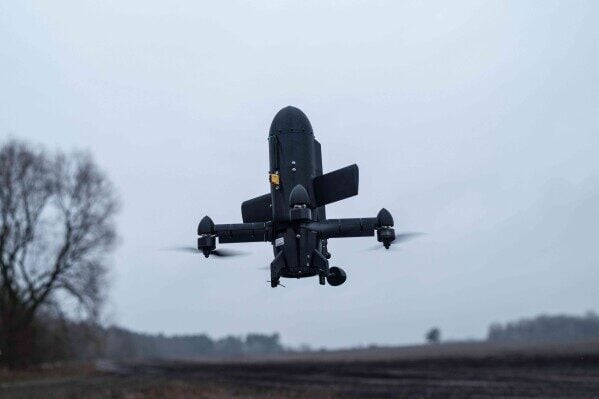 Ukraine depends on these fast and cheap systems because Russia sends large numbers of suicide drones. The attacks hit homes and power plants. The new interceptors help Ukraine reduce damage during long nightly assaults.
How Drone Interceptors Are Changing Ukraine’s Air Defense
Ukraine made these drone interceptors in a few months in 2025. The goal is simple. Stop drones at a low cost and in large numbers. According to AP News, the units now use models like the Sting and the Bullet, which are made by volunteer groups and local startups.
The Sting looks like a small tube-shaped craft. It rushes toward Russian drones at high speed. The Bullet is another model that climbs fast and then slams into its target. Operators fly them with screens or goggles.
These tools matter because Russian drones cost much more. Some cost from $10,000 to $300,000. The interceptors cost about $1,000. This shifts the economics in Ukraine’s favor. It also lets Ukraine defend more sites without using missiles that are slow to replace.
Russia sends many Shahed drones. They now come with jammers, cameras, and stronger engines. This creates a constant race. Ukraine adapts fast and makes new designs to match the threat. A defense expert told AP News the interceptors now act as a core part of modern counter‑drone systems. But they still need sensors, quick command centers, and trained pilots to work well.
Why Drone Interceptors Will Shape Europe’s Future Defense Plans
Ukraine and NATO expect drone use to rise even more in 2026. Europe plans to build a “drone wall” along its eastern border. This system will detect and stop drones before they enter NATO airspace. Ukraine’s low‑cost interceptors may play a major role in that plan.
Ukraine also plans new work with U.S. and European companies in 2026. This will help the country produce more systems and share designs that have been tested in real battles. Many teams expect more automation. They want drones that can find and strike targets on their own. This lowers risks for soldiers near the front.
These steps mark a long shift in modern warfare. Low‑cost, fast‑built drones now stand beside missiles and guns. The race is intense. Both sides move fast. And Ukraine says it must do the same to protect its cities.
Drone interceptors now stand at the center of Ukraine’s defense strategy. They cut costs, save lives, and reshape Europe’s next air‑defense system. The fight to stop drones will only grow as the war continues.
Info at your fingertips-
Q1: What are drone interceptors?
Drone interceptors are small craft that crash into enemy drones. They are cheap, fast, and made to stop suicide drones. Ukraine uses them each night during attacks.
Q2: How much do Ukraine’s interceptors cost?
Most cost around $1,000. This is far less than the Russian drones they destroy. It makes Ukraine’s defense more sustainable.
Q3: Why does Ukraine need low‑cost interceptors?
Russia sends large waves of drones. Missiles are too costly to fire at each one. Cheap interceptors help Ukraine protect more sites at once.
Q4: What drones does Russia use?
Russia uses Shahed drones. They now come with jammers and new engines. They can fly high and fast during night strikes.
Q5: Will Europe use similar systems?
Yes. Europe plans a “drone wall” across its eastern border. Ukraine’s interceptors may support that system.
iNews covers the latest and most impactful stories across
entertainment,
business,
sports,
politics, and
technology,
from AI breakthroughs to major global developments. Stay updated with the trends shaping our world. For news tips, editorial feedback, or professional inquiries, please email us at
[email protected].
Get the latest news and Breaking News first by following us on
Google News,
Twitter,
Facebook,
Telegram
, and subscribe to our
YouTube channel.