The United States has replaced its random H-1B visa lottery with a new weighted system. The change was announced by the Department of Homeland Security on Monday. The new plan will start on February 27, 2026. It will apply to the FY 2027 H-1B cap season. The shift aims to reward higher-paid and higher-skilled workers.
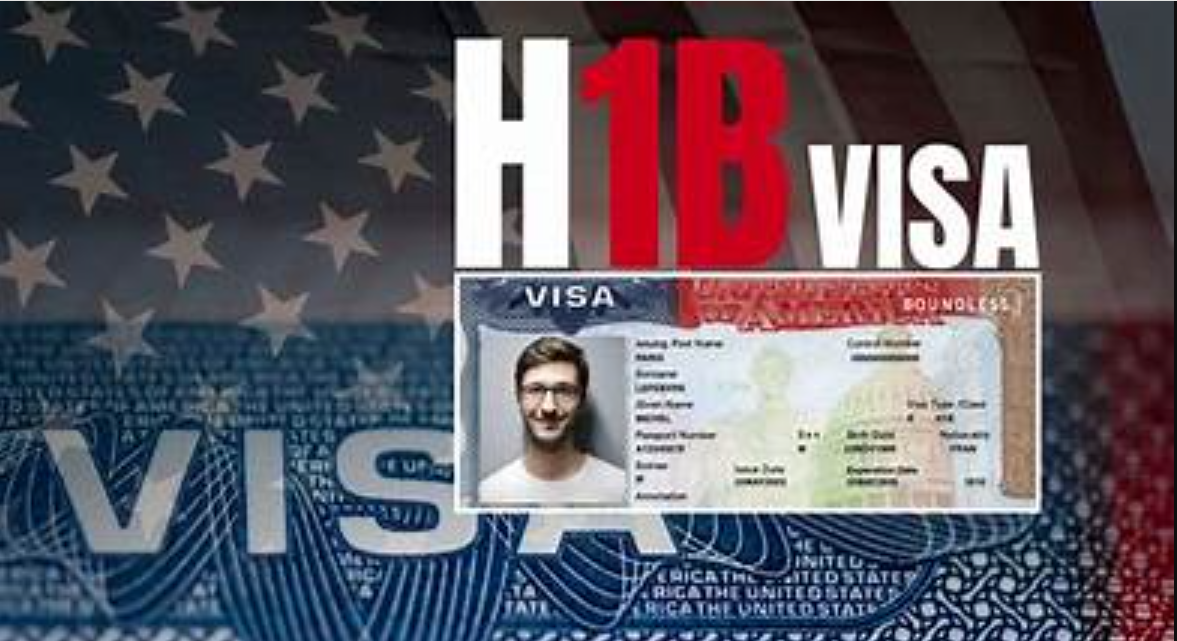
The update matters because the old lottery picked workers by chance. Many critics said the system was abused. They said some firms used it to bring in lower-wage workers. According to Reuters, the new rule seeks to protect US wages and jobs.
New H-1B Visa Rules Focus on Wage and Skill Levels
The H-1B visa program grants 65,000 visas each year. Another 20,000 are set aside for workers with advanced US degrees. Under the new plan, applications offering higher wages will get better odds in the selection round. Applications at lower wage levels will still be allowed, but they will hold less weight.
Officials say the change will reduce abuse. They say the lottery let some employers file large numbers of cheaper job requests. This hurt US workers. Now, the weighted model will press employers to offer stronger pay and roles with real skill needs.
According to the Associated Press, the rule is part of a wider effort to raise program standards. It also follows an earlier presidential order that added a $100,000 fee for each H-1B visa request. Officials say the fee was set to stop misuse and to push firms to hire workers only when needed.
Broader Impact on Workers and Global Talent Flow
The new rule could change how companies hire foreign talent. Firms may need to offer higher wages to stay competitive in the selection process. This may raise labor costs in tech and engineering fields. It may also shift how global workers plan their careers.
For foreign applicants, the rule could reward skill and experience. Many high-skilled workers may see higher chances of selection. But some early‑career workers may find it harder to qualify. For US workers, the rule aims to reduce pressure on wages. It could also limit hiring of lower-paid foreign workers.
The new H-1B visa system marks a major shift in US immigration policy. It sets a new path for employers, workers, and global talent. The impact of the H-1B visa reform will unfold as the next cap season begins.
Info at your fingertips-
Q1: What is the new H-1B visa rule?
The new rule replaces the random lottery with a weighted system. Higher-paid and higher-skilled workers will have better odds. It starts in February 2026.
Q2: Why did the US end the H-1B visa lottery?
Officials said the lottery was misused. They said some firms used it to bring in lower-wage workers. The new plan aims to protect US jobs and wages.
Q3: How many H-1B visas are issued each year?
The US issues 65,000 standard H-1B visas. Another 20,000 are for workers with advanced US degrees. These limits will not change.
Q4: Who will benefit from the weighted selection?
Workers with higher skills and higher wage offers will benefit. Their applications will receive more weight. Employers must offer stronger pay to improve chances.
Q5: When will the new system be used?
The new system will apply to the FY 2027 H-1B cap. It takes effect on February 27, 2026. All new registrations must follow the weighted model.
iNews covers the latest and most impactful stories across
entertainment,
business,
sports,
politics, and
technology,
from AI breakthroughs to major global developments. Stay updated with the trends shaping our world. For news tips, editorial feedback, or professional inquiries, please email us at
[email protected].
Get the latest news and Breaking News first by following us on
Google News,
Twitter,
Facebook,
Telegram
, and subscribe to our
YouTube channel.