The United States seized another tanker near Venezuela this week. The action took place in international waters in the Caribbean Sea. US officials said the Coast Guard led the operation. They spoke to Reuters and confirmed the move. The seizure is part of a wider effort to pressure Nicolas Maduro.
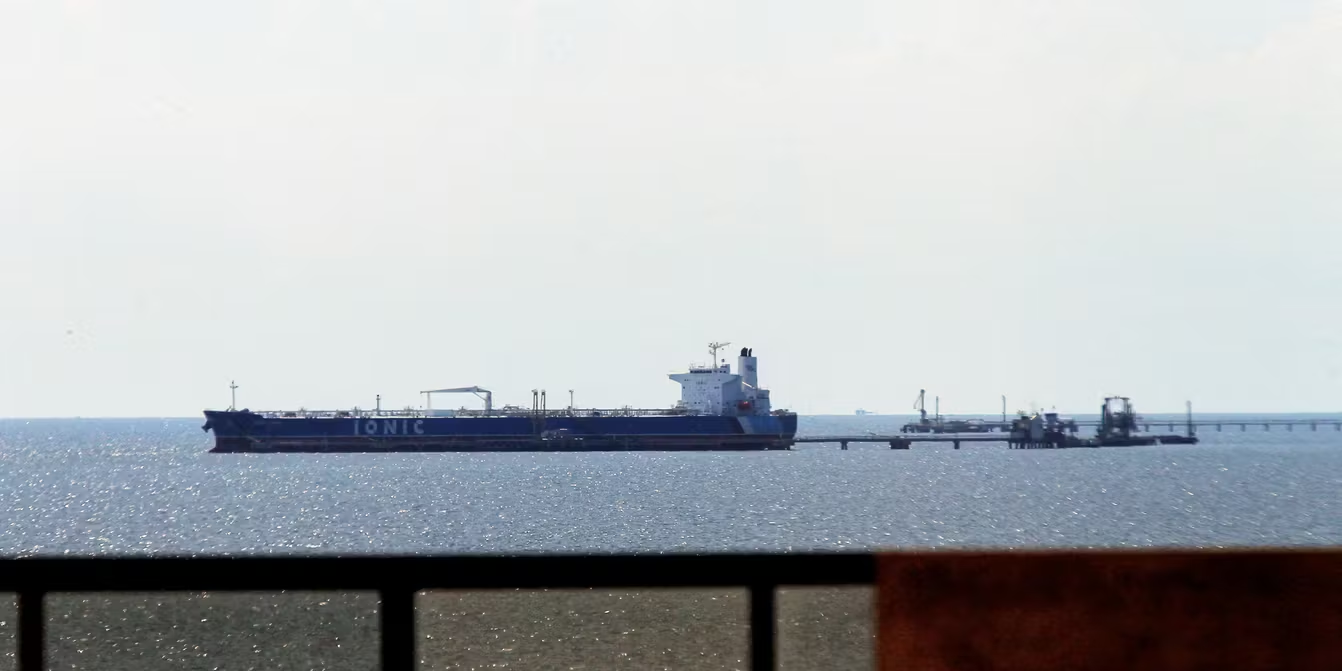 The incident follows a similar action earlier this month. It also comes days after former President Donald Trump ordered a full blockade of sanctioned oil tankers moving in or out of Venezuela. According to The Associated Press, the tanker stopped on its own and allowed US forces to board. US officials called the event a “consented boarding.”
US Seizure of Venezuela Tankers Marks Escalation
The latest seizure marks a sharp escalation in US actions in the region. According to Reuters, US forces have now targeted two sanctioned vessels in less than two weeks. Each vessel was linked to oil shipments that fall under US sanctions. Short-term effects are already visible. Oil exports from Venezuela have dropped sharply since the first seizure.
Trump’s recent public order added new pressure. He said sanctioned tankers must not move in or out of Venezuela. His message created fear among ship operators. Many tankers now remain in Venezuelan waters. Some are loaded with millions of barrels of crude but will not sail. They fear they could be seized like the last vessel.
The impact has reached the shipping market. Some oil companies can still operate because they use authorized ships. Chevron is one of them. But vessels tied to Iran, Russia, or shadow fleet operators face higher risk. The US Treasury lists many of those ships under sanctions.
Shadow Fleet and Earlier Seizure Deepen the Crisis
More than 70 tankers are now in Venezuelan waters. About 38 are under US sanctions. At least 15 of those ships are already loaded with crude or fuel. The shadow fleet system, which tries to hide routes and ownership, is now under more pressure.
The earlier US action targeted the tanker Skipper. It was seized on December 10. US forces stopped it in international waters between Grenada and Trinidad. The ship carried up to 1.8 million barrels of Venezuelan crude. A federal warrant had been issued two weeks before the seizure. The tanker flew a Guyanese flag at the time, but the Guyana government said it had already removed the ship from its registry.
The Skipper’s cargo is now in a US forfeiture process. The outcome could affect other tankers with similar histories. Sanctioned vessels now face more risk at sea. Shipping firms may pull back even further. This could tighten oil supply from Venezuela at a critical moment for its economy.
The US tanker seizure campaign is reshaping oil flows in the region. The main keyword “US seizure” reflects rising tension on the seas. More actions may follow as pressure on Maduro grows.
Info at your fingertips-
Q1: What is the US seizure about?
The US is seizing sanctioned tankers near Venezuela. These ships are linked to restricted oil shipments. The actions are part of wider pressure on the Maduro government.
Q2: Why did the US stop the latest tanker?
US officials said the vessel carried sanctioned oil. The ship agreed to stop and allow boarding. The Coast Guard led the operation.
Q3: How many tankers are under sanctions?
More than 70 tankers sit in Venezuelan waters now. About 38 are under US sanctions. Several are loaded but not moving.
Q4: What happened to the Skipper tanker?
The Skipper was seized earlier this month. It carried up to 1.8 million barrels of Venezuelan crude. It is now in a US forfeiture process.
Q5: How does this affect oil exports?
Exports have dropped since the first seizure. Many vessels fear being stopped. This creates an informal embargo.
iNews covers the latest and most impactful stories across
entertainment,
business,
sports,
politics, and
technology,
from AI breakthroughs to major global developments. Stay updated with the trends shaping our world. For news tips, editorial feedback, or professional inquiries, please email us at
[email protected].
Get the latest news and Breaking News first by following us on
Google News,
Twitter,
Facebook,
Telegram
, and subscribe to our
YouTube channel.