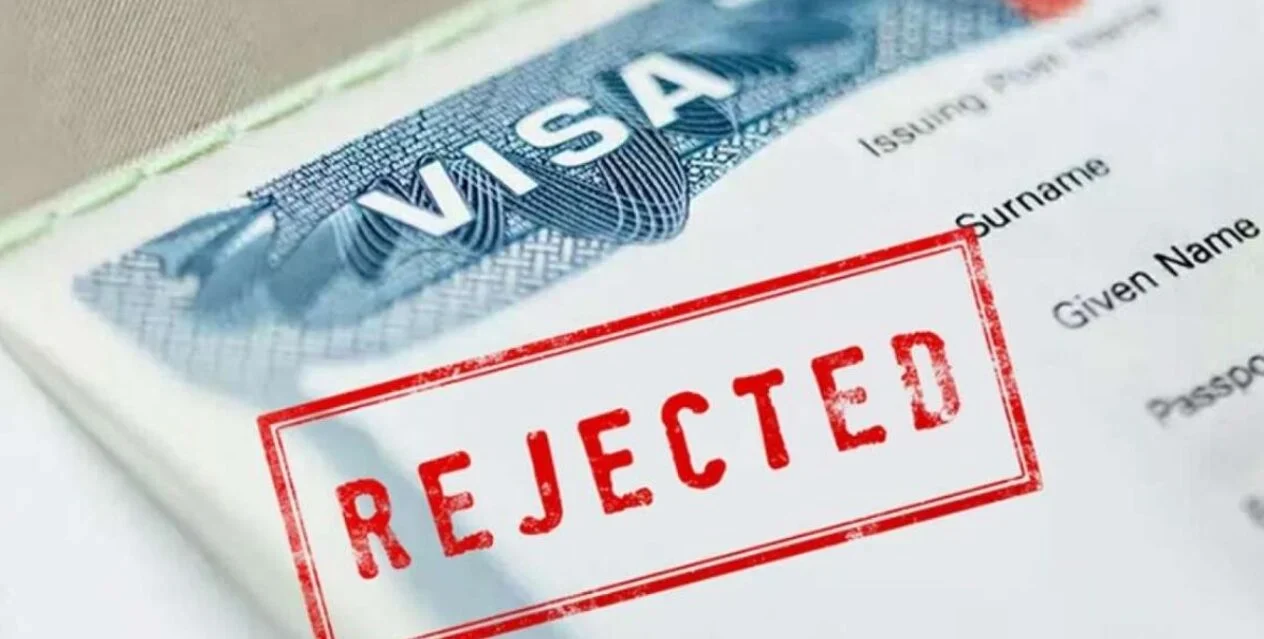
The United States denied visas to five European and British figures on Tuesday. The move targeted a former EU commissioner and two UK campaigners. It happened in Washington as the State Department said the group tried to pressure US tech firms. The step deepened a fast‑growing dispute over digital rules.According to Reuters and AP, the decision came after new reviews of foreign influence on US platforms. The State Department said the people tried to push US firms to remove or cut content. This raised concerns inside the Biden administration over free speech and digital policy.
US Visa Denial Draws Strong EU Response
The dispute grew soon after Secretary of State Marco Rubio released a statement. He said the five figures led efforts to make US platforms censor American views. He said the action was needed to protect free speech at home. The State Department said the group will not be allowed to enter the United States.The people include Thierry Breton, a former EU commissioner. They also include Imran Ahmed and Clare Melford from UK‑based digital groups. The department described them as activists who pushed for strong content rules. European officials rejected that claim.According to Reuters, the European Commission condemned the US move. It said that freedom of expression is a shared value. It also said it asked Washington for an explanation. EU officials said the Denial harms cooperation on digital issues.Breton posted a reply on X. He said the action felt like a “witch hunt.” He noted that the EU voted widely for the Digital Services Act. He said the US should rethink its view of censorship. The post added to rising tensions between Washington and Brussels.
Digital Policy Tensions Rise Across the Atlantic
The US and Europe have long argued over digital rules. Europe wants strong checks on big platforms. US officials say the rules can limit speech. The visa step marks one of the most direct moves yet in this dispute.Analysts say the action could slow talks on tech policy. It may also affect cooperation on AI and data transfers. The decision creates new risks for cross‑border firms. It also raises questions about how both sides define digital rights.European leaders say the DSA protects users. US leaders say it pressures platforms to remove content. Both sides say they defend free speech. The clash shows how the digital world has split long‑time allies.
Kate Hudson’s Debut Album Sparks Career Revival and Award-Winning Film Role
The US visa denial has created a rare public rift between the allies. It will likely shape future talks on tech rules. The coming weeks will show if both sides can ease the tension.
Please note-
Q1: Why did the US issue the visa denial?
The US said the five people tried to push platforms to censor American views. It said the decision protects free speech. It also said the pressure came from foreign groups.
Q2: Who was affected by the visa denial?
The list includes former EU commissioner Thierry Breton. It also includes Imran Ahmed and Clare Melford. Two other individuals have not been fully named in reports.
Q3: How did Europe react to the US decision?
Europe strongly condemned the move. It said the action goes against shared democratic values. It also asked Washington for more details.
Q4: What does this mean for tech regulation?
The decision may slow talks between the US and EU. It could affect rules on data and content. Firms may face more uncertainty.
Q5: What sparked the broader dispute?
Both sides disagree on online content rules. Europe passed laws that the US sees as limiting speech. The visa denial added pressure to the debate.
iNews covers the latest and most impactful stories across
entertainment,
business,
sports,
politics, and
technology,
from AI breakthroughs to major global developments. Stay updated with the trends shaping our world. For news tips, editorial feedback, or professional inquiries, please email us at
[email protected].
Get the latest news and Breaking News first by following us on
Google News,
Twitter,
Facebook,
Telegram
, and subscribe to our
YouTube channel.