

A strong US winter storm hit the Northeast on Saturday. It caused major travel delays during the busy post‑holiday rush. Snow and ice covered large parts of New York, New Jersey, Connecticut, and nearby states. Officials warned people to stay off the roads. The storm also forced thousands of flights to stop.
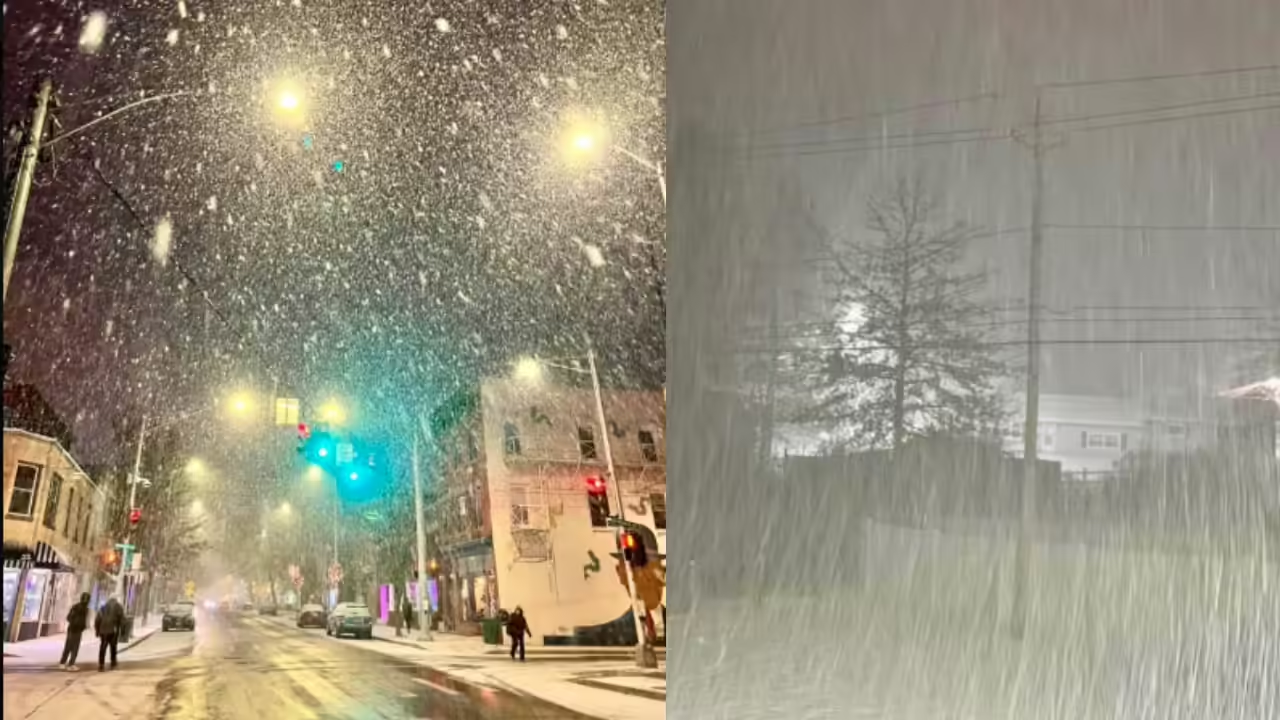 The system moved fast across the region. It dropped heavy snow in several states and created risky ice on highways. According to Reuters, airports and state authorities issued travel warnings as conditions worsened overnight. Cleanup crews worked to clear roads, but freezing rain made the job slow and unsafe.
US Winter Storm Causes Major Flight Delays and Road Closures
The US winter storm caused large air travel problems. By mid‑morning, more than 14,000 US flights were delayed or cancelled. Data from FlightAware showed that most delays hit New York City airports. This included JFK, LaGuardia, and Newark. All three hubs issued snow alerts.
Major airlines also took action. JetBlue, United, and American waived change fees for affected passengers. They asked travelers to check schedules often. International flights were also hit, with more than 2,000 cancellations tied to the storm.
Road travel was not safe in many states. New York recorded two to four inches of snow in most areas. Central Park saw more than four inches. Parts of Long Island and central New York reported up to 10 inches. New Jersey highways saw long slowdowns as ice coated major lanes.
New York and New Jersey declared states of emergency. This step allowed faster cleanup and support. State police blocked commercial trucks on some highways. The goal was to stop accidents on icy roads.
Storm Impact on Daily Life and What Comes Next
The storm had a wide impact on daily routines. Schools were closed in some districts. Many offices asked staff to work from home. Local transit systems reported slow service due to track ice and low visibility.
Meteorologists said the storm moved quickly. Snow stopped by late morning in most places. But freezing slush remained a danger through the afternoon. The National Weather Service warned drivers about black ice on untreated roads.
City crews used salt trucks to prevent more icing. Airports tried to reopen runways fast. Many passengers still faced long wait times due to the large backlog of delayed flights.
Experts said more winter systems could form next week. The Northeast could see more cold air and light snow. Officials asked travelers to plan ahead.
The US winter storm tested travel networks and daily life across the Northeast. Its fast arrival and heavy ice caused major disruption. Crews continued work to restore normal movement through the region.
FYI (keeping you in the loop)-
Q1: How strong was the US winter storm?
The storm brought heavy snow and ice to the Northeast. Some areas saw up to 10 inches. It caused major travel delays and unsafe roads.
Q2: Which airports were hit hardest?
JFK, LaGuardia, and Newark faced the most delays. These airports issued snow alerts. Many flights were cancelled or rescheduled.
Q3: Why did states declare emergencies?
Officials declared emergencies due to hazardous roads. Ice made driving dangerous and increased crash risk. The orders also sped up cleanup work.
Q4: How did the storm affect road travel?
Many highways had ice and heavy snow. Police restricted large trucks on several routes. Drivers were told to stay home if possible.
Q5: Will more storms hit soon?
Forecasters expect cold conditions to continue. Light snow may return next week. Officials asked people to check weather updates often.
Trusted Sources: Reuters, Associated Press, National Weather Service.
iNews covers the latest and most impactful stories across
entertainment,
business,
sports,
politics, and
technology,
from AI breakthroughs to major global developments. Stay updated with the trends shaping our world. For news tips, editorial feedback, or professional inquiries, please email us at
[email protected].
Get the latest news and Breaking News first by following us on
Google News,
Twitter,
Facebook,
Telegram
, and subscribe to our
YouTube channel.


