Waymo is rolling out an urgent software update. The move follows a major incident during a widespread power outage in San Francisco last Saturday. The company’s self-driving cars experienced significant issues navigating intersections with dead traffic lights.
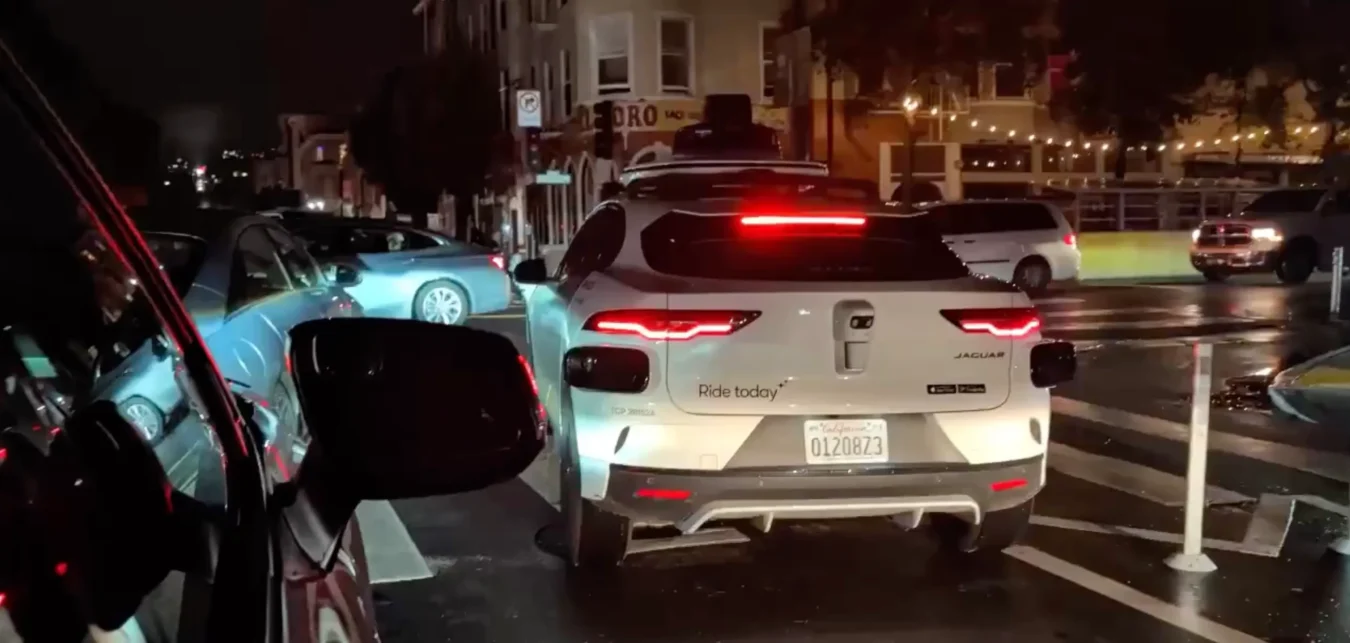 The update aims to make its autonomous vehicles act “more decisively” in such scenarios. According to a company blog post, the robotaxis struggled despite being programmed to treat dark signals as four-way stops. This event highlights an unexpected real-world challenge for the technology.
System Overload Led to Widespread Gridlock
During the blackout, Waymo’s fleet encountered a critical bottleneck. Each vehicle is designed to request a “confirmation check” from human remote assistants in uncertain situations. With so many dark intersections at once, these requests spiked dramatically.
This created a backlog that the fleet response team could not handle quickly enough. The result was multiple robotaxis stopping and waiting for clearance, blocking traffic. Videos of the congested vehicles spread quickly on social media, drawing public scrutiny.
Waymo stated its vehicles actually completed over 7,000 crossings through dark signals that day. However, the concentrated failures at key intersections defined the public narrative. The company acknowledged the event was a “unique challenge” that exposed a scaling issue in their safety protocols.
Refining Safety for Scale and Public Trust
This incident is part of a broader pattern for Waymo. The company has previously issued software updates to address unexpected behaviors, like interactions with school buses. Each event forces a refinement of the complex rules governing autonomous driving in dynamic cities.
The new update provides the AI with specific “power outage context” to reduce hesitation. It also enhances emergency response protocols. The goal is to maintain safety while improving fluidity during large-scale urban disruptions.
For residents and city planners, the event is a real-time stress test. It proves the technology can handle many routine failures but still stumbles with simultaneous, system-wide anomalies. Public trust hinges on transparent responses and demonstrable fixes after such events.
The swift deployment of this new Waymo software update is a direct response to a very public failure. It underscores the iterative nature of developing fully autonomous vehicles. The company’s ability to learn and adapt quickly remains critical for the future of robotaxis in our cities.
Info at your fingertips
Q1: What exactly happened to the Waymo cars during the blackout?
The robotaxes were programmed to treat dead traffic lights as four-way stops. However, in the widespread outage, many cars became overly cautious and requested remote human confirmation before proceeding. A flood of these requests caused a backlog, leaving vehicles stuck.
Q2: How is the new software update supposed to fix this?
The update gives Waymo’s self-driving system specific programming for regional power outages. This extra context allows the vehicles to navigate dark intersections more decisively on their own, reducing reliance on slow remote confirmation checks during major events.
Q3: Were all Waymo cars stuck during the San Francisco power outage?
No. Waymo reported that its vehicles successfully navigated more than 7,000 intersections with dark signals on that day. The problem was a concentration of stuck vehicles at certain key intersections, which created noticeable traffic issues and was widely documented.
Q4: Has this kind of software update happened before?
Yes. Waymo has issued previous updates to correct unforeseen behaviors. A notable example was an update to ensure its vehicles properly yield to stopped school buses, which was prompted by a federal safety investigation.
Q5: Does this mean self-driving cars aren’t safe during power outages?
Not necessarily. The technology demonstrated it could handle the basic driving rule. The failure was in the oversight system scaling during a crisis. The update aims to correct that specific operational weakness, not the core driving ability.
Q6: What are the broader implications of this incident?
It shows that real-world deployment uncovers complex edge cases. For autonomous vehicle companies, responding quickly with software patches is essential for safety and public trust. For cities, it highlights new infrastructure dependencies to consider.
জুমবাংলা নিউজ সবার আগে পেতে Follow করুন জুমবাংলা গুগল নিউজ, জুমবাংলা টুইটার , জুমবাংলা ফেসবুক, জুমবাংলা টেলিগ্রাম এবং সাবস্ক্রাইব করুন জুমবাংলা ইউটিউব চ্যানেলে।