Global health authorities are raising urgent alarms. The skyrocketing demand for weight loss injections has triggered a dangerous wave of counterfeit drugs. The World Health Organization (WHO) has released new guidance, directly addressing the global frenzy.
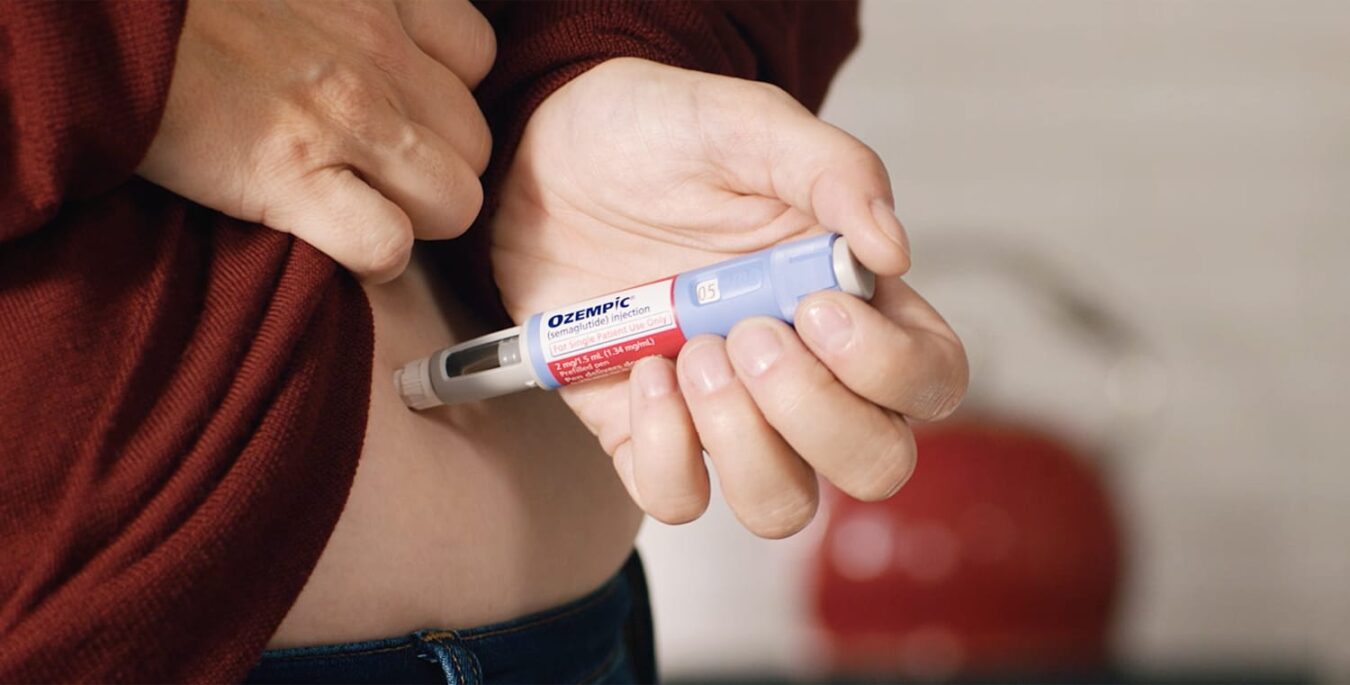
They caution that these powerful drugs are not a standalone cure for obesity. This comes amid reports of severe health risks and even deaths linked to unregulated products.
How the Weight Loss Medication Market Exploded
Drugs like Wegovy, Saxenda, and Zepbound have revolutionized obesity treatment. They work by mimicking gut hormones to suppress appetite. Clinical results have been dramatic, leading to widespread public interest.
But legitimate supply cannot meet demand. This has created a fertile ground for illegal operations. According to Reuters, health agencies worldwide are seizing counterfeit pens and fake tablets.
Patients are turning to online marketplaces and social media sellers out of desperation. The consequences are increasingly severe.
The WHO’s Stance and Global Access Crisis
In its recent report, the WHO acknowledged the “huge potential” of GLP-1 receptor agonists. However, they stressed these medications should complement lifestyle changes, not replace them. A major concern is equitable access.
Currently, only one in ten people who need these drugs can get them. High costs and supply chain issues create significant barriers. The WHO emphasizes that managing obesity requires a comprehensive, long-term strategy.
This guidance aims to temper expectations amid intense media hype.
The Lethal Risk of Counterfeit “Skinny Jabs”
The underground market for these drugs is thriving. UK authorities have described some counterfeit batches as “more dangerous than cocaine and heroin.” Reports detail hospitalizations from severe adverse reactions.
A tragic case in Manchester involved a mother who died after an injection from an unregulated beauty salon. Investigations show many fake products contain incorrect doses or unknown substances.
Purchasing from these sources is a dangerous gamble with patient health.
Navigating a High-Cost, High-Risk Landscape
Even legitimate treatment is financially out of reach for many. Brand-name injections can cost over $1,000 per month. Insurance coverage is often limited or nonexistent.
This financial pressure drives people toward cheaper, unverified sources. Social media compounds the problem, with influencers often blurring the lines between anecdote and medical advice.
The situation presents a clear dilemma for healthcare systems and patients alike.
The promise of weight loss medication is real, but the current landscape is fraught with peril. Ensuring safe, equitable access is the critical challenge moving forward.
Thought you’d like to know
What are the most common brand names for these drugs?
FDA-approved brands for weight loss include Wegovy (semaglutide) and Zepbound (tirzepatide). Saxenda (liraglutide) is also widely used. Drugs like Ozempic and Mounjaro are approved for diabetes but often prescribed off-label.
What are the main side effects?
Common side effects include nausea, vomiting, diarrhea, and constipation. More serious but rarer risks include pancreatitis and gallbladder issues. Patients should only use these under a doctor’s supervision.
Why is the WHO concerned?
The WHO warns that medication alone isn’t a silver bullet for obesity. They highlight massive global access issues and the risk of neglecting essential diet and exercise components of treatment.
How can I ensure my medication is safe?
Only obtain prescription drugs through licensed pharmacies with a valid prescription from your doctor. Avoid online marketplaces, social media sellers, or offers that seem too good to be true.
Will insurance cover these medications?
Coverage varies greatly. It is more common if prescribed for type 2 diabetes. For obesity treatment, many insurance plans still deny coverage, leaving patients with high out-of-pocket costs.
Is weight regain common after stopping?
Yes, studies show a significant portion of lost weight can be regained after stopping the medication. These drugs are generally considered long-term treatments for a chronic condition.
iNews covers the latest and most impactful stories across
entertainment,
business,
sports,
politics, and
technology,
from AI breakthroughs to major global developments. Stay updated with the trends shaping our world. For news tips, editorial feedback, or professional inquiries, please email us at
[email protected].
Get the latest news and Breaking News first by following us on
Google News,
Twitter,
Facebook,
Telegram
, and subscribe to our
YouTube channel.