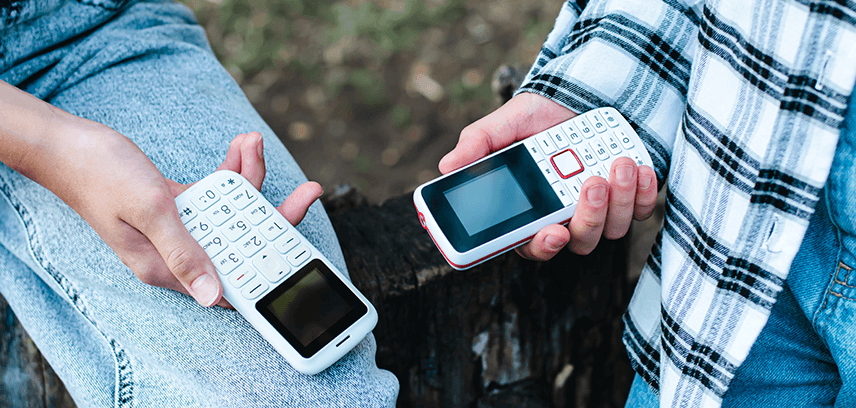
As technology becomes more advanced, many parents are making a surprising decision: giving their teenagers dumb phones instead of smartphones. Dumb phones—simple devices that only offer calling and texting—are becoming a popular choice in households around the world. But what is driving this shift? Let’s explore the reasons behind this growing trend.
Reducing Digital Distractions
Smartphones expose teens to endless apps, games, social platforms, and notifications.
This constant digital noise affects concentration and productivity.Dumb phones help parents create a focus-friendly environment, allowing teens to spend more time on schoolwork, hobbies, and offline activities.
Protecting Mental Health
Research has linked heavy social media use to issues like anxiety, depression, poor sleep, and low self-esteem in teenagers.By choosing a basic phone with no access to Instagram, TikTok, or Snapchat, parents are giving their teens a healthier mental space.
Reducing Online Risks
Smartphones expose teens to cyberbullying, inappropriate content, scams, and privacy risks.
Dumb phones remove these dangers by limiting internet access entirely.
Parents gain peace of mind knowing their child can communicate safely without falling into harmful digital environments.
Encouraging Real-Life Social Skills
Many parents worry that smartphones reduce face-to-face interaction.
Dumb phones help teens:
Talk more with family
Spend time with friends offline
Participate in outdoor activities
Build stronger communication and social skills
This shift encourages real-life connection instead of virtual dependency.
Why US Pauses Immigration From 19 Nations Over Security Concerns
Affordable and Long-Lasting
Smartphones are expensive and often fragile.
Dumb phones are cheaper, durable, and have battery life that can last several days.
For many families, this is a practical and budget-friendly option.
Building Healthy Digital Habits
Introducing teens to technology gradually can help them develop responsible habits.
A simple phone teaches boundaries and encourages intentional communication.
Later, when they eventually get a smartphone, they are more prepared to use it wisely.
A Growing Trend Among Modern Families
Schools, parenting experts, and even tech professionals are supporting the idea of limiting digital exposure during early teenage years.
This movement is part of a broader effort to create a healthier and more balanced relationship with technology.
Conclusion
The rise of dumb phones shows that modern parents are not rejecting technology—they are redefining how their children use it. By choosing simpler devices, families aim to protect mental health, reduce online risks, and encourage healthier habits.
iNews covers the latest and most impactful stories across
entertainment,
business,
sports,
politics, and
technology,
from AI breakthroughs to major global developments. Stay updated with the trends shaping our world. For news tips, editorial feedback, or professional inquiries, please email us at
[email protected].
Get the latest news and Breaking News first by following us on
Google News,
Twitter,
Facebook,
Telegram
, and subscribe to our
YouTube channel.