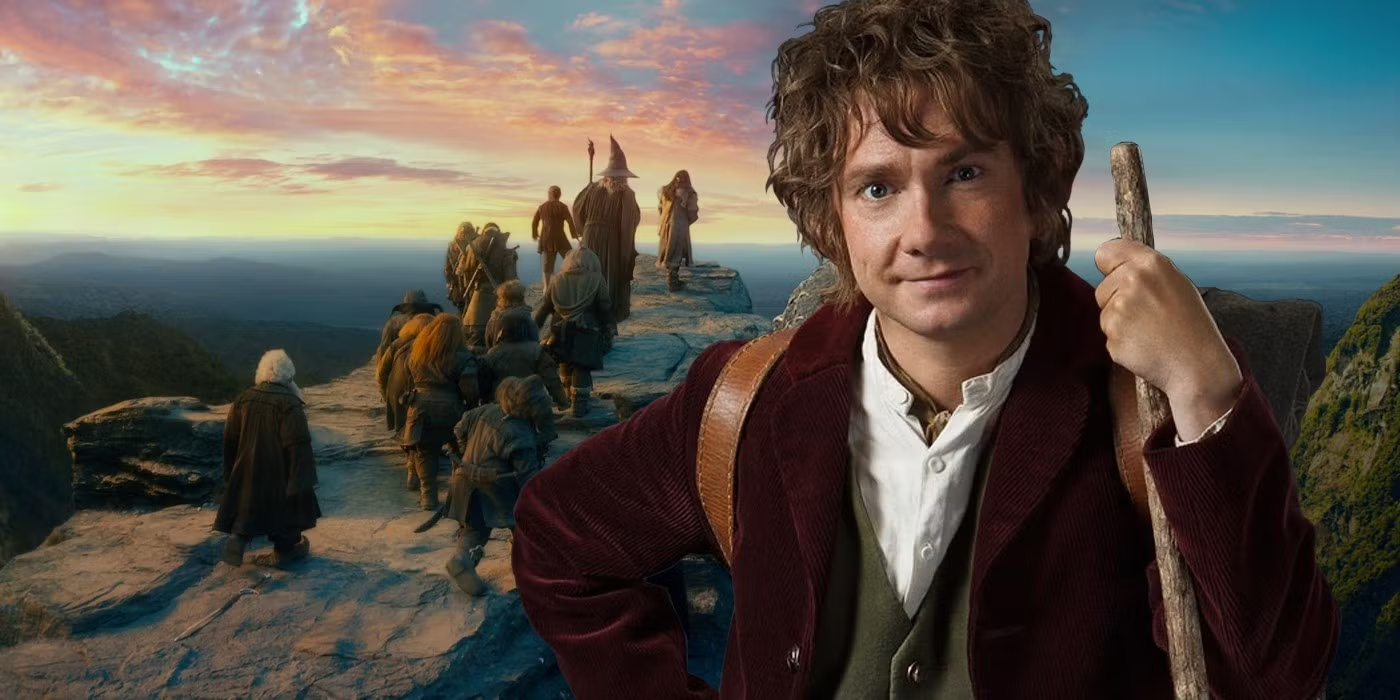
Peter Jackson’s “The Hobbit” trilogy concluded a decade ago. Its final scene connects directly to “The Lord of the Rings.” This ending marked a significant departure from J.R.R. Tolkien’s original book. The change creates a darker tone for the character of Bilbo Baggins.
 The film’s conclusion fundamentally alters Bilbo’s heroic journey. It prioritizes setting up the next trilogy over a faithful adaptation. This decision has been a point of discussion among fans and critics since the film’s release.
The Final Scene Sets Up a Sinister Future
The movie ends after the Battle of the Five Armies. Bilbo and Gandalf part ways. The wizard subtly warns Bilbo about the dangers of magical rings.
Bilbo lies, claiming he lost his ring during the battle. Gandalf seems suspicious but lets it go. Bilbo then returns to the Shire to find his possessions being auctioned.
He quietly reaches into his pocket, revealing he kept the One Ring. The score swells ominously. The scene then jumps sixty years, linking directly to the start of “The Fellowship of the Ring.”
A Stark Contrast to Tolkien’s Hopeful Book
Tolkien’s novel ends on a much lighter note. Bilbo returns home a wealthy but humble hobbit. He lives out his days in comfort, having learned from his adventure.
He faces no sinister temptation from the ring at this stage. The object is treated as a simple magical trinket. The book’s focus is on Bilbo’s personal growth and safe return.
According to analysis from reputable entertainment sources, Jackson’s choice was a narrative bridge. It served to connect the two film series tonally. However, it sacrificed the innocence of Bilbo’s original ending.
How This Change Undermines Bilbo’s Growth
This altered ending damages the character’s development. Throughout the story, Bilbo transforms from a cautious homebody into a brave hero. His final act in the book is one of wisdom and contentment.
The film has him succumb to a corrupting influence immediately. He lies to a trusted friend like Gandalf. This makes his hard-earned maturity feel suddenly fragile.
It suggests the adventure did not truly strengthen his moral fiber. Instead, he becomes a pawn in a larger, darker story. This narrative choice was made for cinematic universe cohesion.
The Hobbit’s film ending remains a contentious pivot point. It sacrificed character integrity for franchise foreshadowing. This decision forever links Bilbo’s arc to the shadow of the One Ring.
Thought you’d like to know
How does “The Hobbit” movie end differently from the book?
The film ends with Bilbo lying about keeping the One Ring and a dark, ominous tone. The book concludes with Bilbo returning home wealthy and happy, with no focus on the ring’s danger.
Why did Peter Jackson change the ending?
The change was made to seamlessly connect “The Hobbit” trilogy to the darker “Lord of the Rings” films. It acts as a direct narrative prequel for movie audiences.
Does Bilbo know the ring is evil in the movie?
No, Bilbo is not aware it is the One Ring. However, he knows it is magical and valuable, which is why he chooses to keep it and lie about its loss.
What is the main criticism of this ending?
Critics and fans argue it ruins Bilbo’s character arc. It turns his heroic journey into a setup for future events, undermining his personal growth and the book’s lighter spirit.
iNews covers the latest and most impactful stories across
entertainment,
business,
sports,
politics, and
technology,
from AI breakthroughs to major global developments. Stay updated with the trends shaping our world. For news tips, editorial feedback, or professional inquiries, please email us at
[email protected].
Get the latest news and Breaking News first by following us on
Google News,
Twitter,
Facebook,
Telegram
, and subscribe to our
YouTube channel.