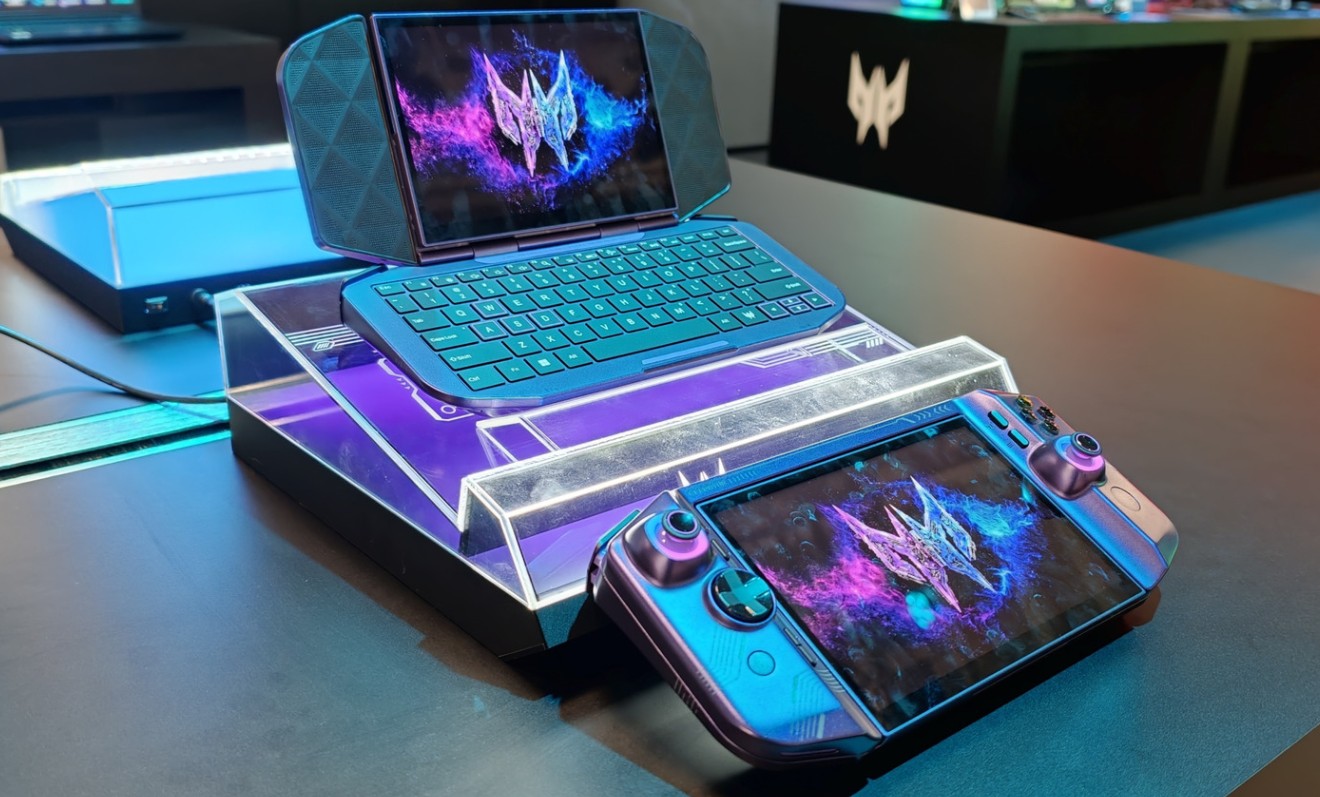
Android desktop mode updates are quietly changing the way people think about one-device workflows. The practical question is no longer just whether a device can open a keyboard dock, but whether it can hold a full-day work pattern with fewer switches between tablet and laptop habits.
That is becoming a bigger buying question because many users now want one flexible device for note-taking, browsing, and lightweight creation. If desktop mode feels stable with external accessories, people may delay separate laptop purchases, or at least postpone one major replacement decision. That is why this trend in workflow messaging is getting attention beyond pure tech circles.

Why this affects day-to-day purchasing
The move toward hybrid behavior is less about branding wars and more about budget confidence. Buyers compare how quickly they can perform real tasks, how cleanly apps open, and whether file workflows survive across modes without repeated login friction. When those factors work, desktop mode becomes more than a feature and closer to a practical workflow anchor.
For many users, this is not hypothetical. They are balancing work desk habits, travel routines, and screen mobility. A device that helps one profile while keeping others close reduces complexity, and complexity is the hidden cost of premium hardware.
What adoption signs to watch
For readers, the biggest marker will be whether users report sustained productivity during long sessions rather than short demo impressions. If desktop-mode workflows stay smooth and accessory compatibility remains reliable, the category line between tablets and traditional laptops will weaken further in buyer conversations.
That is a practical shift, and one that can affect both launch cycles and recommendation habits as more users treat mobility and productivity as one combined need.
For buying decisions, this blended workflow story becomes stronger if accessory setup, docking behavior, and desktop transitions remain predictable across mixed apps. If they do, users reduce app hopping and recover time. If they do not, hybrid positioning loses value quickly and returns to experiment mode. That practical split is now a core test for desktop-mode narratives.