Fresh details emerging around the next flagship from Apple suggest the company may be preparing one of its more visually restrained yet technically ambitious updates in recent years, with early indications pointing to a quieter redesign rather than a dramatic overhaul.
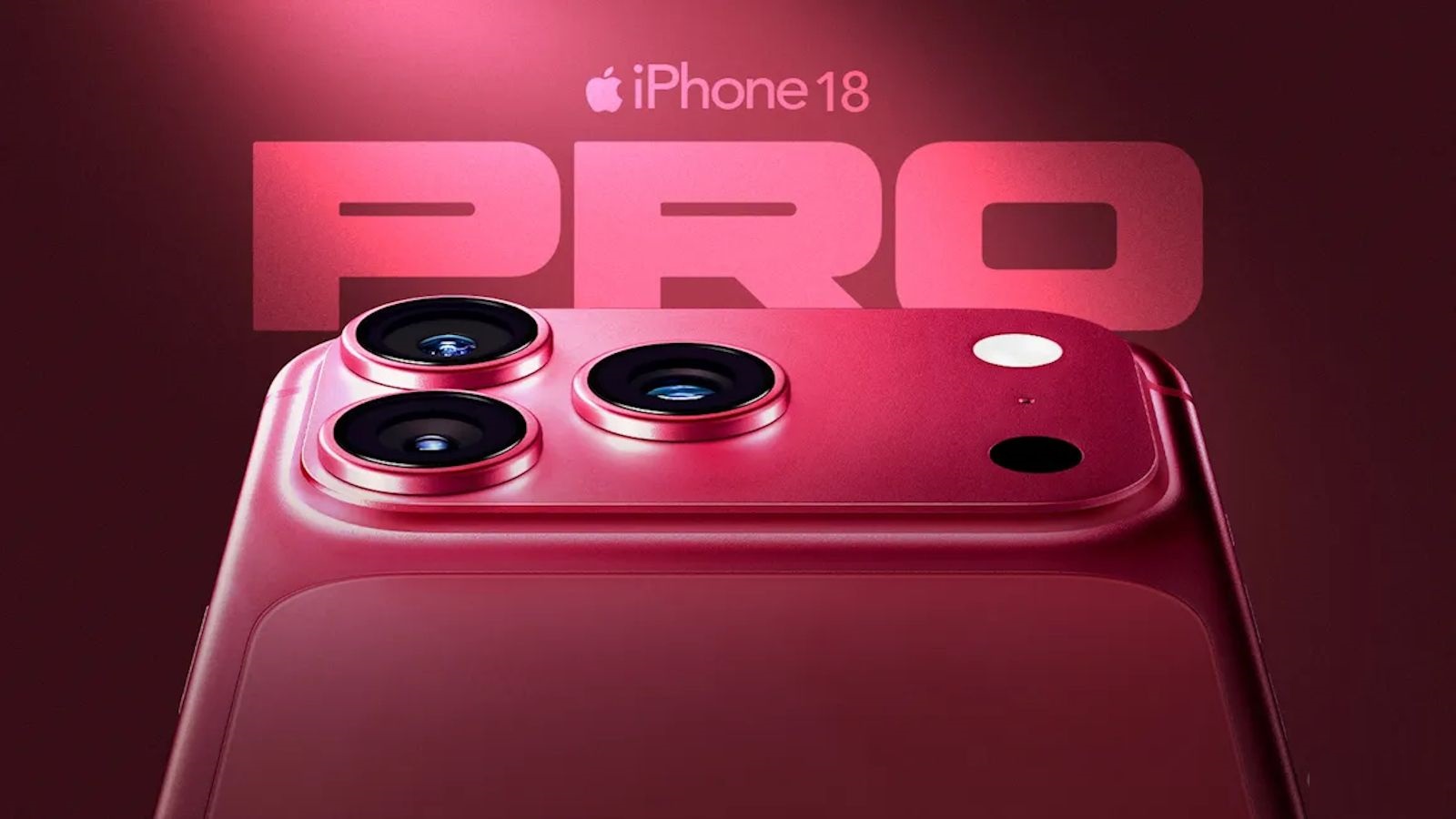
Attention is centred on the front of the device, where engineers are reportedly working to move Face ID components beneath the display. If that effort reaches production readiness, it would mark a notable departure from the pill-shaped Dynamic Island that has defined recent models. In its place, a smaller punch-hole cutout positioned toward the top-left corner could house the front-facing camera, subtly changing how users interact with the screen without altering the overall footprint of the device.
From a distance, the handset is expected to retain a familiar silhouette, closely aligned with the preceding generation. Changes, where they appear, seem to lean toward refinement. Reports suggest adjustments to the rear glass and frame finish, alongside the possibility of new colour options such as deep purple, burgundy, and coffee brown, though none have been confirmed.
The more substantive changes appear to sit within the camera system. Apple is said to be exploring a mechanical iris on at least one rear lens, allowing the aperture to physically adjust. That would introduce greater flexibility in managing light, particularly in low-light conditions, and could produce more natural depth effects in portrait photography.
Alongside that, a new three-layer stacked image sensor is reportedly under consideration, potentially sourced from Samsung. The configuration is designed to handle image data more efficiently, with improvements expected in capture speed, noise reduction, and dynamic range. Larger apertures across key lenses may further support these gains.
Performance upgrades are expected to come via a new A20 Pro chip built on a 2nm process from TSMC. Early information suggests closer integration of memory with core processing units, which could deliver modest gains in speed while reducing power consumption.
Battery life may also come into sharper focus, particularly for the Pro Max variant. A thicker chassis is being considered to house a larger battery, reportedly around 5,100mAh. That increase could push the device’s weight beyond 240 grams, potentially making it the heaviest iPhone so far.
Display sizes are unlikely to change, with the Pro expected to retain a 6.3-inch panel and the Pro Max a 6.9-inch screen. Questions remain over how far Apple will go in phasing out the Dynamic Island, or whether it will persist in a reduced form.
The company is expected to follow its usual launch window in September 2026 for the Pro models, while the standard version may arrive later, possibly in 2027. Pricing remains uncertain. Current figures for the previous generation place the Pro and Pro Max at the higher end of the market, and any shifts will likely depend on manufacturing costs and broader industry pressures.
Read More:
OnePlus Pad 4 Specifications: Price, Features, and Availability in Market
For now, much of what is circulating remains unconfirmed, leaving the picture incomplete. What does appear consistent is Apple’s continued emphasis on incremental refinement, with the camera system and internal efficiency taking priority over outward change.

Follow iNews Zoombangla On Google
Open the Google follow page and tap the checkmark option to receive more updates from iNews Zoombangla in your Google news feed.