Apple’s M6 and M5 Ultra chips are putting the company’s desktop strategy into the same AI conversation as its phones and tablets. Apple’s August 25 announcement describes a new generation of Apple silicon aimed at performance and AI compute, while Tom’s Hardware reported how the chips are being introduced through updated Mac hardware.
The technical story is about bringing more computation into the device. Apple’s unified-memory design lets the CPU, GPU and neural workloads share a common pool rather than copying every operation between separate memory systems. That can simplify some workflows, but performance still depends on the application, memory configuration, thermal headroom and the model being used.
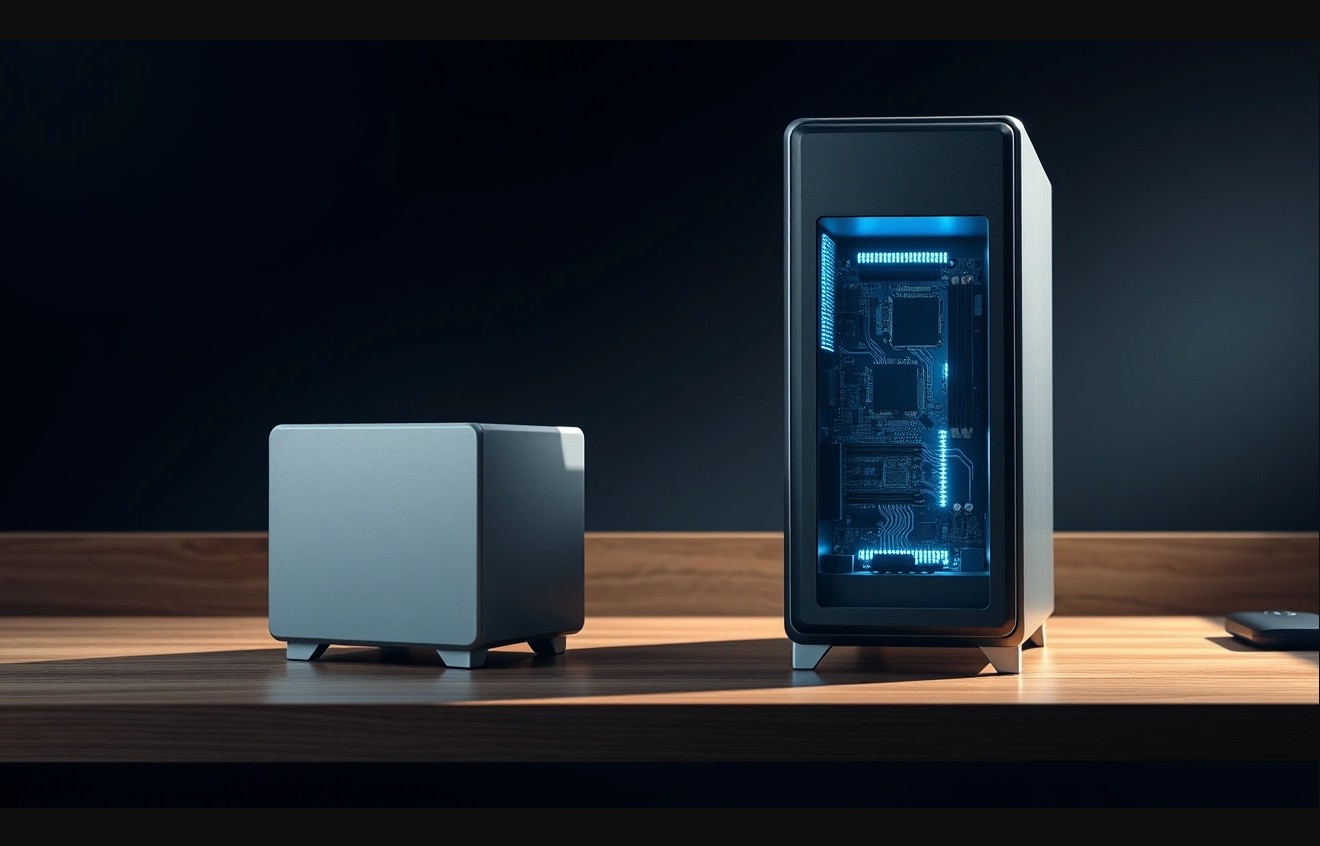
Apple markets the M6 and M5 Ultra as tools for demanding creative and professional work as well as AI tasks. The company’s own performance claims are based on selected tests and should be read as comparisons under those conditions. Tom’s Hardware provides independent context, but a complete buying decision requires reviews of shipping systems rather than launch specifications alone.
The chips also show why AI hardware is no longer limited to data centres. A local workstation can handle editing, development, transcription or selected model inference without sending every file to a remote service. Local processing does not remove all privacy risk, because applications can still connect to the internet, but it gives users and organisations another control point.
Apple has not said that every future iPhone feature will use the same silicon design or that an M-series Mac will replace cloud AI. The products serve different power, battery and software constraints. The relevant conclusion is that Apple is treating AI compute as a core Mac selling point, alongside graphics and general application performance.
The M6 and M5 Ultra news is a chip-and-workstation update rather than a new iPhone specification. Apple confirms the silicon direction, and independent coverage places it in the updated Mac lineup. Buyers should wait for device-level benchmarks, pricing and software support before translating Apple’s launch comparisons into a guarantee for a particular AI workflow.

Follow iNews Zoombangla On Google
Open the Google follow page and tap the checkmark option to receive more updates from iNews Zoombangla in your Google news feed.