Google’s Pixel Watch 5 is entering the wearables conversation with a health-and-assistance pitch built around Gemini, GPS and the Health Guardian system. Google says the watch can provide breathing-related emergency detection and monthly health summaries, while TechCrunch reported on the new safety and monitoring features as part of the launch.
Health Guardian is presented as a way to bring several signals together instead of showing isolated numbers. That can make trends easier to understand, but a smartwatch remains a consumer sensor, not a medical diagnosis tool. Users should treat alerts as prompts to seek appropriate help and should follow the product’s instructions about fit, permissions and supported regions.
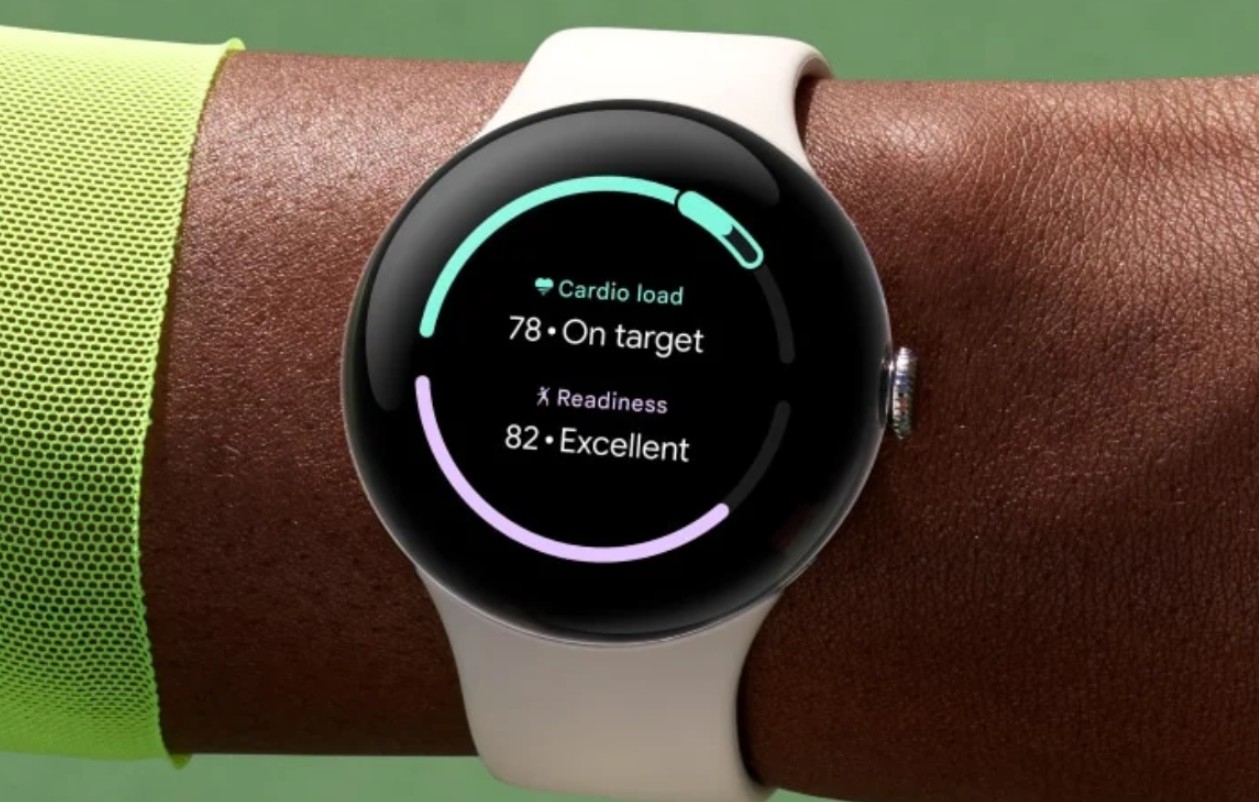
The breathing emergency feature is the most sensitive claim because false positives and missed events both have consequences. Google’s official description establishes the intended function, but it does not prove perfect detection in every wearer, sleep position or environment. Independent testing over a longer period will be needed to understand reliability, battery impact and the response process after an alert.
Gemini adds a conversational layer to the hardware. It may help users interpret a workout or find information without reaching for a phone, yet voice assistants rely on microphones, account data and network services. People should review permissions and decide which health information they want synchronised across devices before enabling every convenience feature.
Google lists the Pixel Watch 5 at $399 for one version and $429 for another in its US launch information. Local prices, cellular support and emergency-service availability can differ, so those figures should not be treated as Bangladesh or India retail prices. A watch’s value also depends on subscription requirements for advanced health summaries and the phone ecosystem it supports.
The Pixel Watch 5 is news because Google is making safety monitoring a headline capability rather than a background sensor feature. The cited sources confirm the launch direction and independent coverage, but health claims require careful expectations. The watch can support awareness and routine tracking; it should not replace professional care or an emergency plan.

Follow iNews Zoombangla On Google
Open the Google follow page and tap the checkmark option to receive more updates from iNews Zoombangla in your Google news feed.