A new BBC documentary, “Jared Leto: Hollywood‘s Dark Secret,” features ten women describing experiences with the actor and musician between 2002 and 2016, according to the BBC’s own reporting on the film. Nine of the ten are speaking publicly about their experiences for the first time.
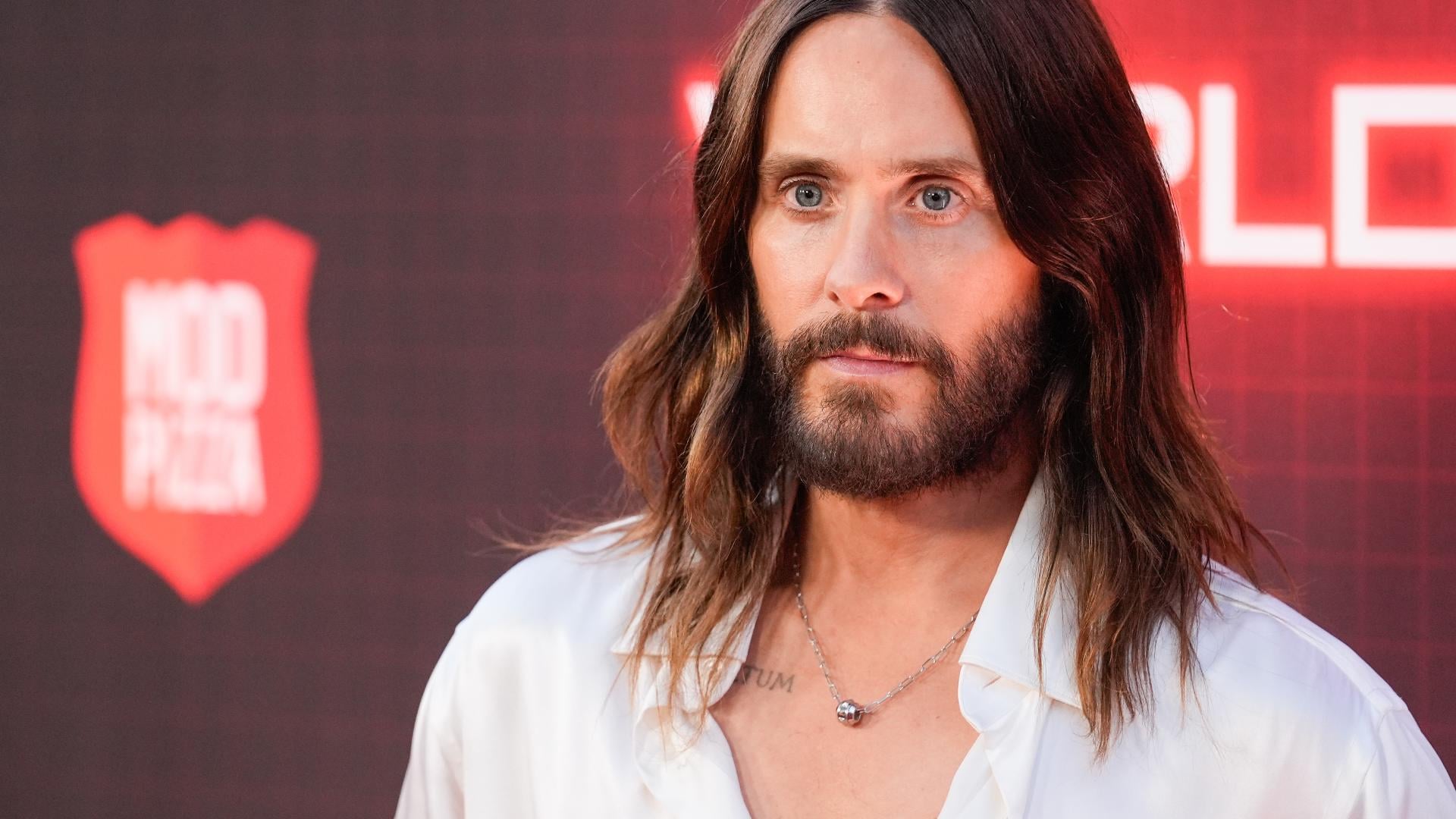
Of the ten, four women allege that Leto engaged in criminal sexual conduct with them when they were teenagers, according to the documentary. Their accounts, as described in BBC reporting, include an alleged assault in a motel bathroom when one woman was 17, an alleged threat of sexual assault made to a second woman when she was 19, an alleged sexual encounter in California with a third woman who was 17 at the time, and a fourth account describing repeated sexually explicit phone calls to a woman who was 16.
Leto denied the allegations through his team in a statement to reporters. “I have never s exually assaulted anyone in my entire life,” he said. “These claims are absolutely and categorically false.” The film is available through BBC platforms rather than mainstream US streaming services such as Netflix.
The documentary was directed by Alice McShane, who previously directed “Russell Brand: In Plain Sight,” working with BBC producer Jessica Sartenaer and journalist Elena Clavarino of Air Mail. Clavarino’s outlet first reported allegations against Leto in 2025, when nine women described a pattern of unwanted advances and inappropriate behavior they said occurred between 2006 and 2012.
The new documentary has drawn renewed attention to that earlier reporting, adding to a broader pattern of scrutiny facing entertainment figures over historical allegations. Leto has not faced criminal charges in connection with any of the claims described in either the Air Mail report or the new BBC documentary. Director McShane has said publicly that she believes Leto’s continued career success despite years of prior reporting reflects what she called a form of “pretty privilege” that has shielded him from the consequences other accused figures have faced, though she has not offered evidence beyond her own assessment as the documentary’s director.

Follow iNews Zoombangla On Google
Open the Google follow page and tap the checkmark option to receive more updates from iNews Zoombangla in your Google news feed.