The BMW X5 remains one of the easiest luxury SUVs to discuss because it sits right in the middle of what many premium buyers want. It is large enough to feel substantial, refined enough to look polished and modern enough to keep competing in a market that changes quickly. That combination helps the model stay visible even when newer rivals enter the picture.
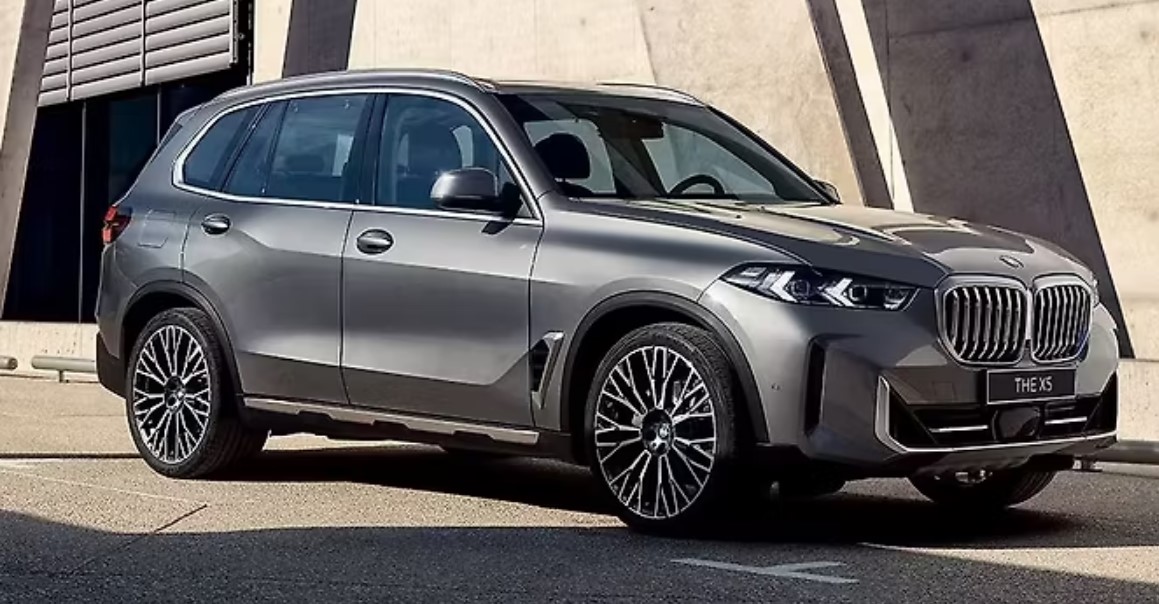
For buyers, the decision often comes down to detail. They want comfort on longer drives, a cabin that feels well put together and technology that does not get in the way. The X5 has long been a benchmark in that space because it mixes those expectations with a familiar badge and a strong road presence.
Why the model still matters to buyers
Luxury SUV shoppers tend to compare more than one brand before making a decision. They want to know how the car feels in traffic, how it behaves on the open road and whether the interior makes day-to-day use simple. The BMW X5 stays in the conversation because it answers those questions in a way many buyers still trust.
It also benefits from being part of a very crowded segment. A competitive market can hurt weaker models, but it can also keep strong ones in the spotlight because buyers are constantly benchmarking against them. That is the role the X5 often plays: the model others are measured against when the shopping list gets serious.
Why the comparison keeps going
People shopping in this segment care about more than headline performance figures. They want a vehicle that feels calm and capable in ordinary life. The BMW X5 stays relevant because it has built a reputation around that kind of confidence. Even when people are shopping cross-brand, the X5 is often one of the first names they return to.
BMW X5 keeps luxury SUV shoppers comparing options because it still blends comfort, technology and premium road presence well.
That makes it an obvious reference point in the segment.

Follow iNews Zoombangla On Google
Open the Google follow page and tap the checkmark option to receive more updates from iNews Zoombangla in your Google news feed.