Colorado’s Senate Bill 205, the first US state law requiring companies to provide transparency disclosures and anti-discrimination protections around high-risk artificial intelligence systems, takes effect on June 30. The law gives the Colorado Attorney General authority to enforce violations and seek civil penalties against businesses that deploy AI systems in ways that harm consumers.
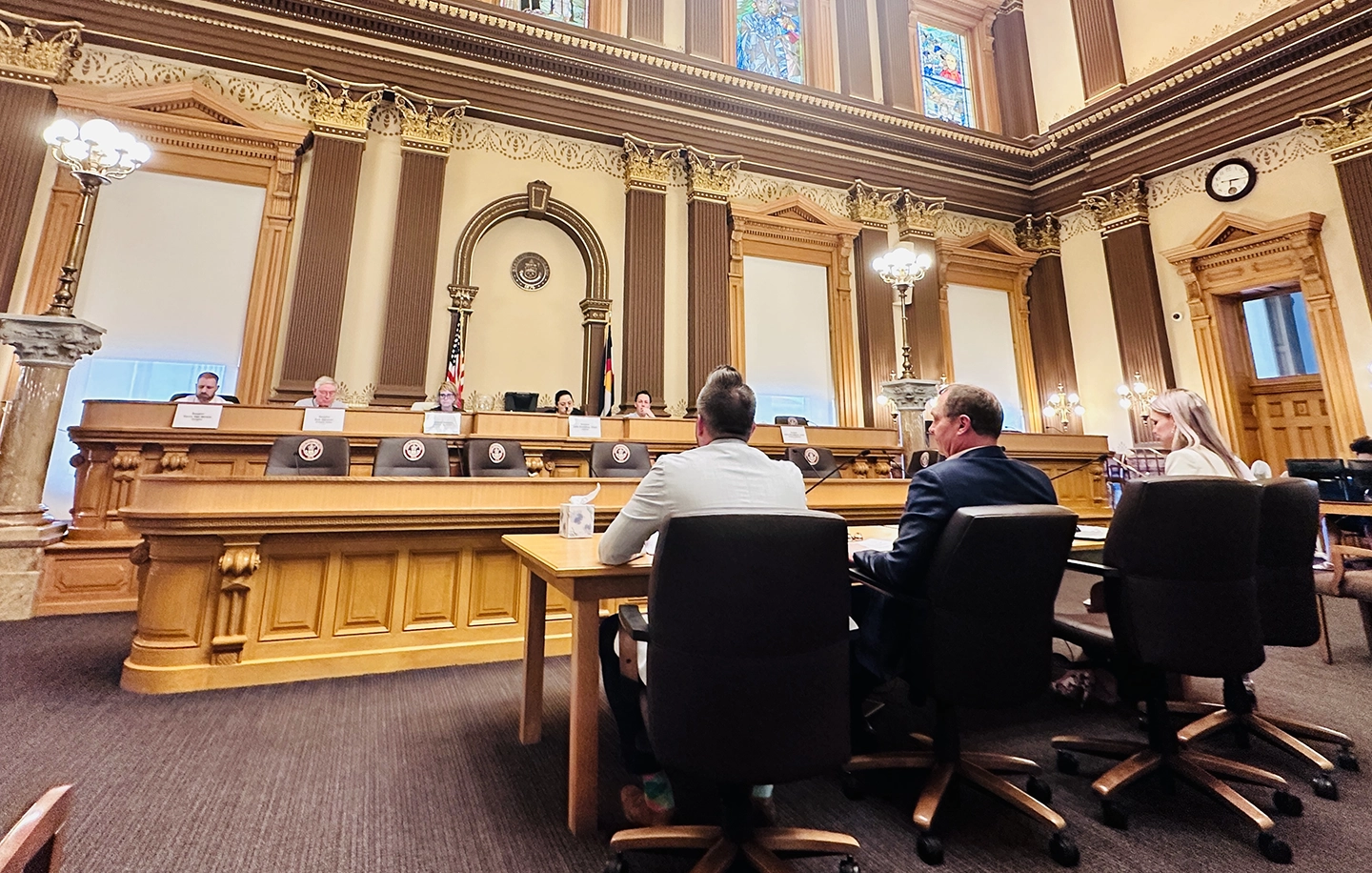
SB 205 defines “high-risk AI systems” as those that make or substantially assist consequential decisions in areas including employment, education, lending, healthcare, and housing. Companies deploying such systems must notify consumers when AI is being used in a decision that affects them, provide a path to appeal or request human review, and conduct impact assessments to identify potential discrimination risks.
The law has been contentious since it passed the Colorado legislature in May 2024. Technology industry groups argued it was premature and that federal legislation should set a national standard rather than allowing a patchwork of state laws. Supporters said consumers needed concrete protections now, citing documented cases of biased AI systems in hiring and lending that had already caused measurable harm.
Governor Jared Polis signed SB 205 into law but simultaneously called on the legislature to revisit some provisions before implementation, expressing concern that compliance costs could fall disproportionately on small businesses using AI tools they did not build themselves. Several amendments softened the original draft, but the core obligations remain.
Colorado joins California and Illinois in passing significant state-level AI regulation. The fragmented state-by-state approach has renewed pressure on the US Congress to pass a federal AI framework, though no comprehensive bill has cleared both chambers. The Colorado Attorney General’s office has published initial guidance for businesses on compliance. Related federal developments include the Trump AI executive order directing federal agencies toward AI adoption. Anthropic’s own regulatory positioning is tied to its IPO filing and engagement with government AI policy. The Microsoft AI model expansion is among the corporate moves that state regulators are now monitoring.

Follow iNews Zoombangla On Google
Open the Google follow page and tap the checkmark option to receive more updates from iNews Zoombangla in your Google news feed.