Google released its Google Home Speaker, the first device built from the ground up for Gemini AI instead of adapting older hardware. The speaker includes surround sound and built-in Gemini integration that lets you talk to Google’s AI directly without reaching for a phone. It’s a statement that Google is serious about making AI hardware, not just software.
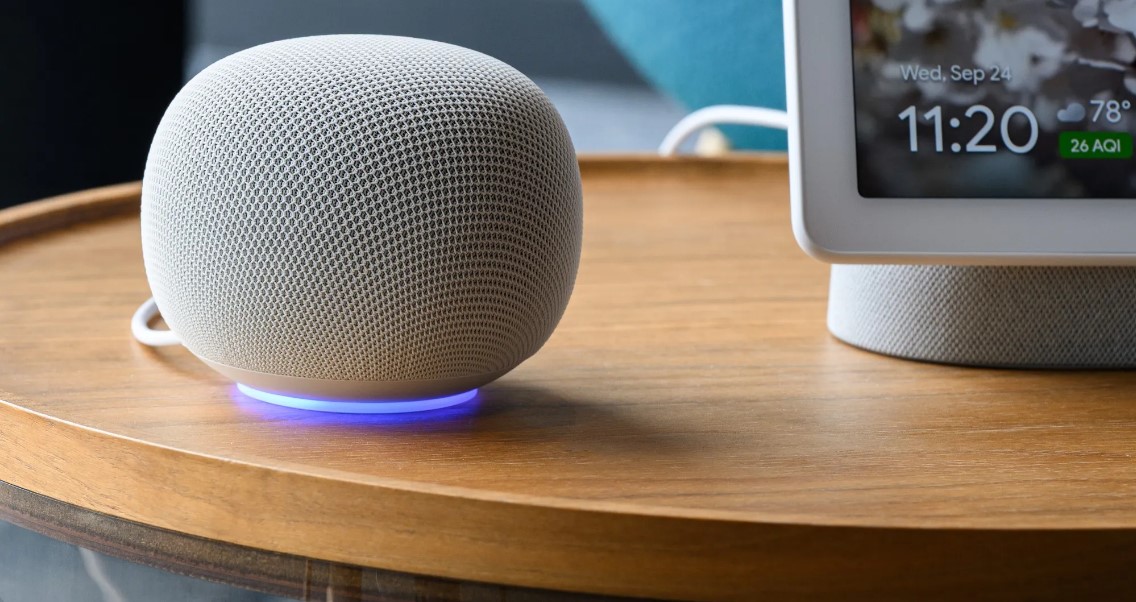
Amazon Alexa dominated smart speakers for a decade by being first and good enough. Google Home followed with okay hardware. Now Google is releasing purpose-built Gemini hardware, suggesting Amazon’s advantage is ending. Hardware matters less than the AI driving it. If Gemini is significantly better than Alexa, users will switch.
What Makes It Gemini-First
Traditional smart speakers handle voice commands and play music. The Google Home Speaker does that but treats Gemini conversations as primary. You can ask complex questions, get multi-step help, and have follow-up conversations that sound natural. Alexa can do simple tasks. Google is betting people want real conversations with AI at home.
The surround sound is a nice addition. Music sounds better on a good speaker. Most people’s Alexa or Google speakers live in a corner, playing podcasts and news. A speaker that sounds good for music is actually useful. Google probably sourced speakers from an OEM and added Gemini software, which is a smart division of labor.
Price and Competition
Google hasn’t announced pricing, but smart speakers run $50-150 depending on features. A Gemini-native speaker with surround sound probably costs $100-130. That’s higher than basic Alexa but competitive with premium Alexa models. The question is whether better AI justifies the price premium. Most people use smart speakers for timers and music. Gemini conversations are a bonus, not the main event.
Amazon will respond with an Alexa update that copies Gemini features. That’s Amazon’s pattern. Google innovates, Amazon copies it. By the time Amazon copies, Google has moved on. The real war is over who builds better AI, not who makes better hardware.
The Ecosystem Play
Google Home Speaker connects to Android, Gmail, and Google services. Ask it a question and it can check your email, read your calendar, or control your smart home. That integration is stronger than Alexa’s because Google owns the OS and cloud services. The speaker is just one node in a larger ecosystem where Google has advantage.
Google Home Speaker is a shot across Amazon’s bow. It says: AI hardware matters now, and we build better AI than you. Whether that claim survives reality is another question. First hardware is always rough. Second hardware is usually better. The question is whether Google can iterate faster than Amazon can copy.