Fitbit Air and Garmin CIRQA are part of the same screenless wearable shift, but the two devices are built around different ownership choices. A fresh Geeky Gadgets comparison has put their tracking performance in the spotlight. The more useful question for buyers is what happens after the band is on the wrist. Google leans on the Google Health app and a lower starting price, while Garmin uses Garmin Connect and its wider sports ecosystem.
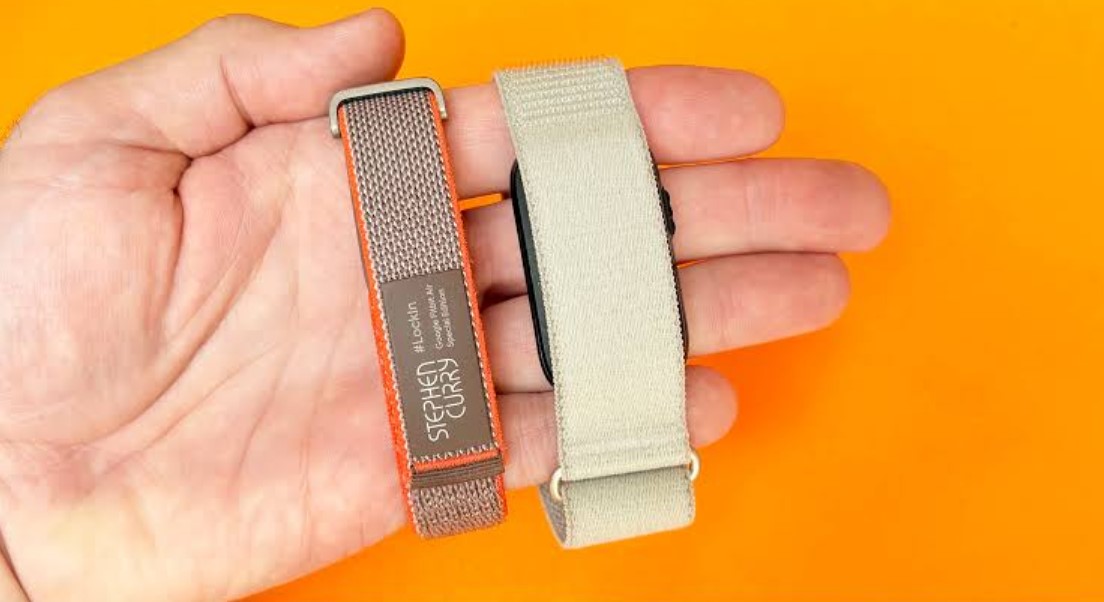
Google introduced Fitbit Air as its smallest tracker for continuous health and fitness monitoring. The company lists a starting price of $99.99 and says the device can run for up to a week. It has no display, so users view their information on a phone instead of checking notifications or workout data on the band. The device works with Android and iOS phones that meet Google’s stated software requirements.
Garmin’s CIRQA Smart Band takes a similar screenless approach at a higher price. Garmin lists a suggested retail price of $199.99 and claims up to 10 days of battery life. The band sends its data to Garmin Connect. It can also connect to a compatible phone for outdoor GPS tracking, which means the phone remains part of the workout setup even though the band itself has no screen.
The price gap is not just a specification-sheet detail. Fitbit Air is positioned as an affordable entry point, and Google says its preorder offer includes a three-month Google Health Premium trial. Garmin says basic CIRQA tracking does not require a subscription. That gives the two products different long-term cost stories, although Google’s trial terms and later premium access should be checked before a buyer treats the trial as a permanent feature.
The app choice may matter more than the band design. Fitbit Air is tied to Google’s Health app, where users can review heart rate, sleep, activity and other wellness information and use Google’s Health Coach features. Garmin’s CIRQA feeds into Garmin Connect, which is designed for users who already use Garmin watches, sensors or training tools. That means moving between brands involves more than replacing one small band with another.
Garmin also gives CIRQA a stronger sports identity on paper. The company says it can record more than 80 activities, track training readiness, show recovery information and work with a phone’s connected GPS. These features do not make it a standalone navigation device. They explain why the higher price may appeal to an existing Garmin customer who wants a quieter wearable for sleep or daily recovery.
Fitbit Air’s simpler format can suit someone who wants health information without a second screen. Google says it can automatically detect common activities and provide a workout recap in the app. The device also supports fast charging, with Google claiming a full day of power after five minutes. Real battery life varies with settings, sensor use and the wearer’s routine, so the published maximum should not be read as a guarantee.
Neither company presents these products as medical devices. Google’s product notes say health and sleep features are intended to provide wellness information, while Garmin carries similar accuracy and medical-use limitations. Readings can change with fit, movement and physiology. Anyone comparing the bands for a health concern should use professional medical advice rather than treating a consumer tracker as a diagnostic tool.
The recent comparison also points to a practical wearing decision. The screenless design reduces wrist interruptions, but it shifts the viewing experience to the phone. Users must be comfortable opening an app for details, carrying the phone for connected GPS on CIRQA and managing the data permissions required by each ecosystem. That trade-off is central to the screenless format and can matter more than the color of the band.
Fitbit Air and Garmin CIRQA target different priorities despite their similar shape. Fitbit Air offers the lower entry price and Google’s health platform, while CIRQA brings longer claimed battery life, Garmin’s training tools and no subscription for its core tracking features. Buyers should compare phone compatibility, app habits, service terms and existing devices before choosing. The products are not interchangeable simply because both leave the screen off the wrist.

Follow iNews Zoombangla On Google
Open the Google follow page and tap the checkmark option to receive more updates from iNews Zoombangla in your Google news feed.