The South Carolina voting age exemption ruling comes from the U.S. Court of Appeals for the Fourth Circuit in a case involving the state’s absentee-voting rules. The published opinion in Grant v. Conway Belangia addressed a system that allowed voters aged 65 and older to vote by mail without giving the same no-excuse option to younger voters. The court’s decision was issued Aug. 18, 2026.
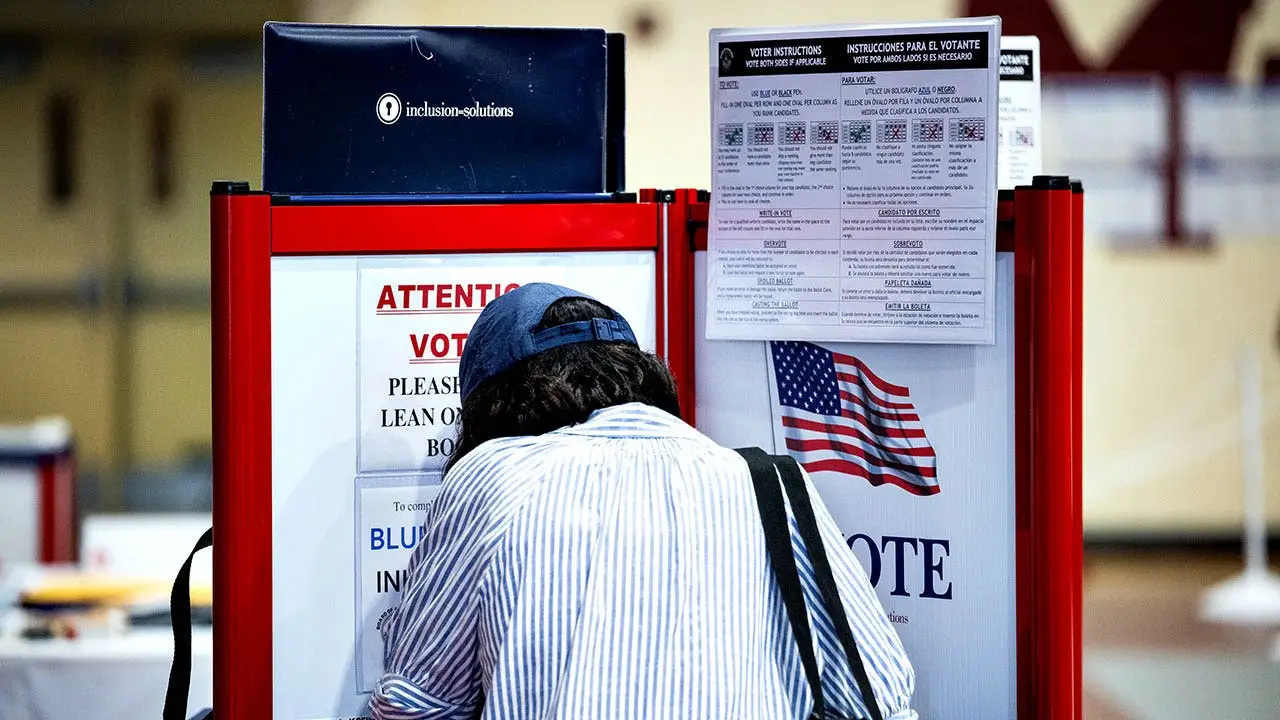
The Fourth Circuit concluded that the age-based distinction violated the Constitution’s 26th Amendment, according to the published opinion and reporting by Democracy Docket. The amendment protects citizens aged 18 and above from voting discrimination based on age. The ruling therefore focused on equal voting access, not on the accuracy or security of individual ballots.
The appellate court’s disposition said the lower-court judgment was reversed in part, affirmed in part and remanded. That language means the case returns for further proceedings on the issues identified by the appellate panel. It should not be summarized as a final nationwide rule or as an immediate determination about every absentee requirement in the country.
The case is notable because age-based voting disputes are uncommon and because other federal appellate courts have considered related questions differently. Democracy Docket described the decision as creating a split with decisions from the Fifth and Seventh Circuits. A split can increase the chance of later Supreme Court review, but no review or future outcome is guaranteed.
The opinion does not mean every voter automatically receives a mail ballot without following state procedures. It addresses the particular South Carolina distinction challenged in the case. Election officials and courts will still have to apply the ruling’s instructions to the state’s process and to any related remedies.
Voters should rely on election authorities for practical deadlines and application instructions. Court decisions can change the legal framework while administrative details continue through local offices. Sharing a broad claim that all age-based rules have disappeared could mislead voters, especially when the remedy and any further appeals are still being handled.
The verified update is that the Fourth Circuit found the challenged age-based absentee rule unconstitutional and sent parts of the case back for further proceedings. The decision is important for voting-rights law, but its practical effect will depend on the lower court, any appeal and official election guidance.

Follow iNews Zoombangla On Google
Open the Google follow page and tap the checkmark option to receive more updates from iNews Zoombangla in your Google news feed.