The HMD 106 2G is drawing attention as a basic phone for calls, texts and a simpler digital routine. Recent reporting describes a compact device with no smartphone-style data features. The important story is not a race for the biggest screen or fastest processor. It is whether a 2G-only phone still fits the networks and daily needs of the person buying it.
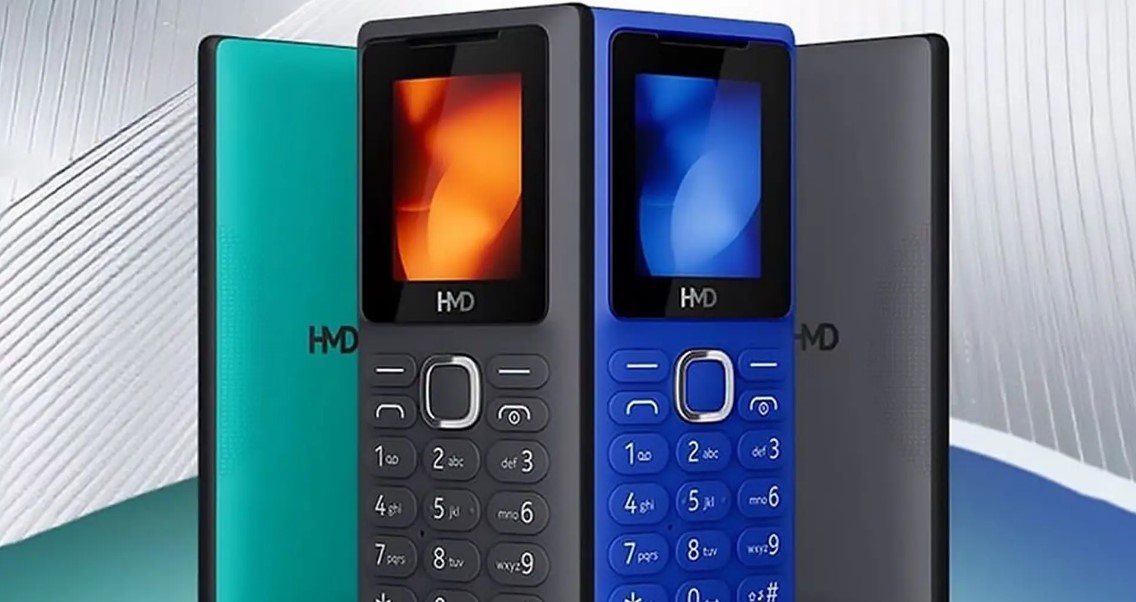
Gizmochina reported on September 6 that the HMD 106 2G is an upcoming feature phone and that pricing and availability have not been shared. The report says the phone supports only 2G networks. That makes carrier compatibility a first question, especially in markets where operators are reducing or ending older network services.
The device is reported to have a 1.8-inch LCD display and a Unisoc 6533G processor. Gizmochina lists 4MB of RAM and 8MB of storage, with support for a microSD card. Those numbers are not intended for apps or media-heavy use. They describe a phone built around the small set of tasks its operating system can handle.
Power comes from a reported 1,000mAh removable battery. The phone is also said to use the S30+ operating system, include Bluetooth 4.2 and charge through a MicroUSB port. A 3.5mm headphone jack and FM radio are listed as part of the package. These are practical details for a backup handset, but they also show that this is not a modern 4G replacement.
Gizmochina says the HMD 106 2G will come in three colors and carry an IP52 rating. That rating is a limited protection claim, not a promise that the phone can be submerged or used in heavy rain. A basic phone can be useful in a workshop, travel bag or emergency kit, but its water and dust protection should be understood within the manufacturer’s stated conditions.
Two SIM support is another reported feature. It could help users who keep separate numbers for work and personal calls, or who use a second network when coverage changes. The benefit depends entirely on the local carriers still operating compatible 2G service. A dual-SIM slot cannot solve a network-compatibility problem.
India is a clear example of why the network check matters. Gizmochina specifically notes that Jio does not provide a 2G network, so a buyer there should not assume the HMD 106 2G will work simply because the phone is sold as an India-market product. Other carriers and countries may have different timelines and support arrangements. Buyers should confirm the exact network bands and service availability before paying.
The HMD 106 2G also fits a broader feature-phone idea that HMD has discussed in its official newsroom. The company has promoted phones that focus on accessibility, essential communication and reduced complexity. That wider strategy does not confirm the 106 model’s specifications. HMD’s current newsroom page does not show a dedicated product announcement for this handset.
That distinction keeps the report grounded. The current evidence comes from recent technology reporting and an early specification listing, not from a final HMD price sheet or sales page. The reported phone may appeal to people who want a removable battery, physical controls and fewer distractions. It may be a poor choice for anyone who needs 4G data, modern messaging apps or dependable service on a carrier that has retired 2G.
The HMD 106 2G story is therefore about fit rather than nostalgia. A small display, long-life battery design and basic calling tools can still make sense as a second phone. But the network must come first, and the model’s price and release markets remain open. HMD’s official product announcement will be the point at which the reported specifications can be checked against a confirmed retail product.

Follow iNews Zoombangla On Google
Open the Google follow page and tap the checkmark option to receive more updates from iNews Zoombangla in your Google news feed.