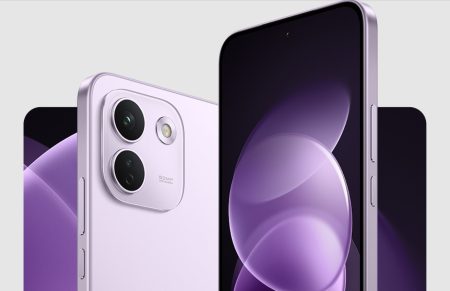
HONOR’s Robot Phone is attracting attention because it treats a smartphone’s camera as a physical device rather than a fixed lens. The company announced the handset globally on August 12, describing a motorised gimbal, AI-powered motion control and collaboration with ARRI image science. CNA’s report placed the launch in the wider race to bring AI into everyday consumer hardware.
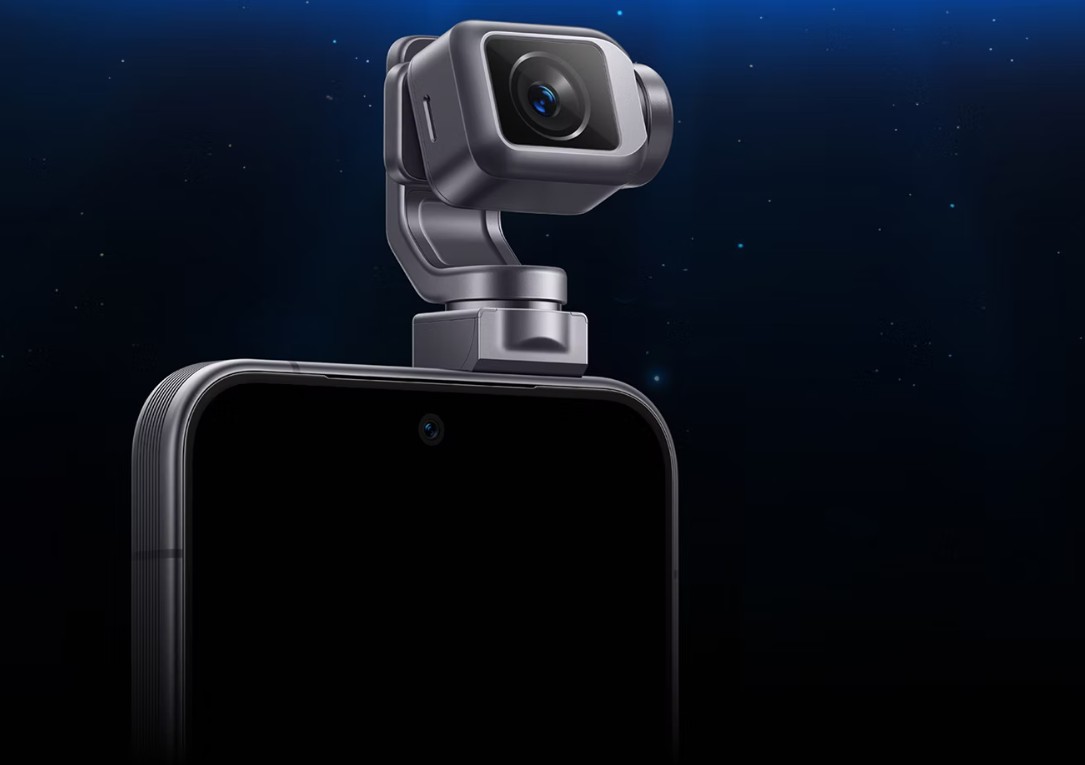
The phone’s defining feature is a retractable, motorised camera assembly that can move and track a subject. HONOR describes the system as a fully integrated 4-DoF mechanical gimbal, while CNA reported that the gimbal can follow a user’s movements and keep that person in frame. The distinction is meaningful: the device is designed to act on a filming task instead of simply capturing a frame when asked.
HONOR calls the software foundation an Agentic OS architecture. In the company’s description, the system is intended to connect perception, reasoning, execution and feedback. Those are ambitious terms, so they should be understood as the brand’s product positioning rather than proof that the phone can perform every task autonomously or safely in every setting.
The company also links the camera to professional production workflows through ARRI Image Science. That partnership is meant to improve the character of the footage and make the phone more attractive to creators. It does not turn a phone into a cinema camera by itself; lenses, sensors, lighting, storage, heat management and the operator’s skill still shape the final result.
CNA’s framing is useful because it asks whether the product is a genuine change or a clever gimmick. A moving camera can help with solo filming, follow shots and hands-free calls, but it also introduces mechanical parts that may affect thickness, durability, repair cost and long-term reliability. Those questions will be answered by extended ownership rather than a launch demonstration.
HONOR says the phone began as a concept shown at Mobile World Congress 2026 and later appeared in film-industry demonstrations. The global announcement marks the move from showcase hardware to commercial rollout, but availability, regional software features and service support can differ by market.
The trend around HONOR is therefore tied to a broader shift in AI-device design. Instead of keeping intelligence inside an app, manufacturers are adding motors, sensors and movement so a device can participate in a task. Whether users want that extra physical layer will depend on the usefulness of tracking, privacy controls and the price of the finished phone.

Follow iNews Zoombangla On Google
Open the Google follow page and tap the checkmark option to receive more updates from iNews Zoombangla in your Google news feed.