The investigation report in the Salman Shah death case has been delayed again, with a Dhaka court setting September 29 as the new submission date. The Business Standard reported the development on August 30 and said the investigating officer had failed to submit the report, making this the ninth extension.
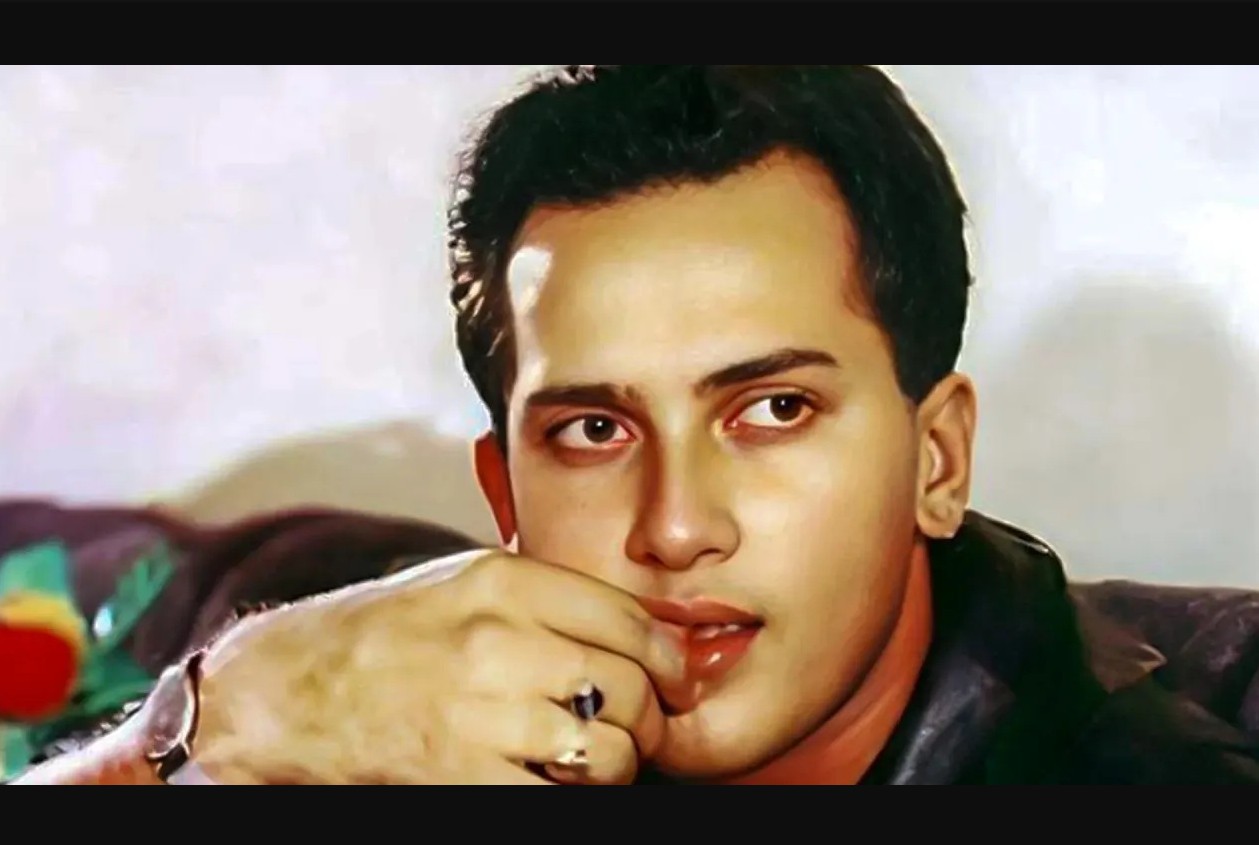
The case concerns the death of Bangladeshi actor Chowdhury Mohammad Shahriar Emon, widely known as Salman Shah. Dhaka Tribune reported earlier in August that the case had gained fresh momentum after the arrest of actor Ashraful Haque, known as Don, while the investigation remained ongoing.
The latest court action is procedural. It sets a future date for the investigation report and does not amount to a finding about the circumstances of Salman Shah’s death or the guilt of any accused person. That distinction is essential because the case has generated strong public emotion for decades.
The Business Standard reported that the investigating officer requested more time and that Dhaka Metropolitan Magistrate Md Jewel Rana granted the extension. The report’s account reflects the court update available on August 30; a later order or submission could change the timetable.
Salman Shah died in 1996 and remains one of Bangladesh’s most remembered film actors. Dhaka Tribune said his death triggered a long legal dispute, with his family challenging earlier conclusions that it was suicide. Those historical claims are part of the case background and should not be presented as a final judicial determination.
The repeated delays explain why the keyword is rising again. Fans are not responding to a new film release but to a court process that continues to move in small, closely watched steps. Each extension creates interest while also increasing the need for precise reporting and restraint around unproven allegations.
The source-supported update is limited but important: the next reported deadline is September 29, and the investigating officer has received nine extensions according to The Business Standard. Until the report is actually filed and examined by the court, coverage should distinguish allegations, procedural events and established findings.

Follow iNews Zoombangla On Google
Open the Google follow page and tap the checkmark option to receive more updates from iNews Zoombangla in your Google news feed.