CIA Director John Ratcliffe’s unannounced trip to Moscow has drawn fresh attention after U.S. officials and news reports described a warning to Russia about attacking NATO members. CBS News reported that the purpose of the visit was to deliver that message, citing multiple people familiar with the matter and noting that The Wall Street Journal first reported the warning.
The visit was unusual because it was not announced in advance. The Associated Press reported that a U.S. military transport plane landed in Moscow and that the Kremlin later said Ratcliffe held talks with Russian intelligence counterparts. Kremlin spokesman Dmitry Peskov said Ratcliffe did not meet President Vladimir Putin, while Russian state media reported the aircraft’s arrival and departure.
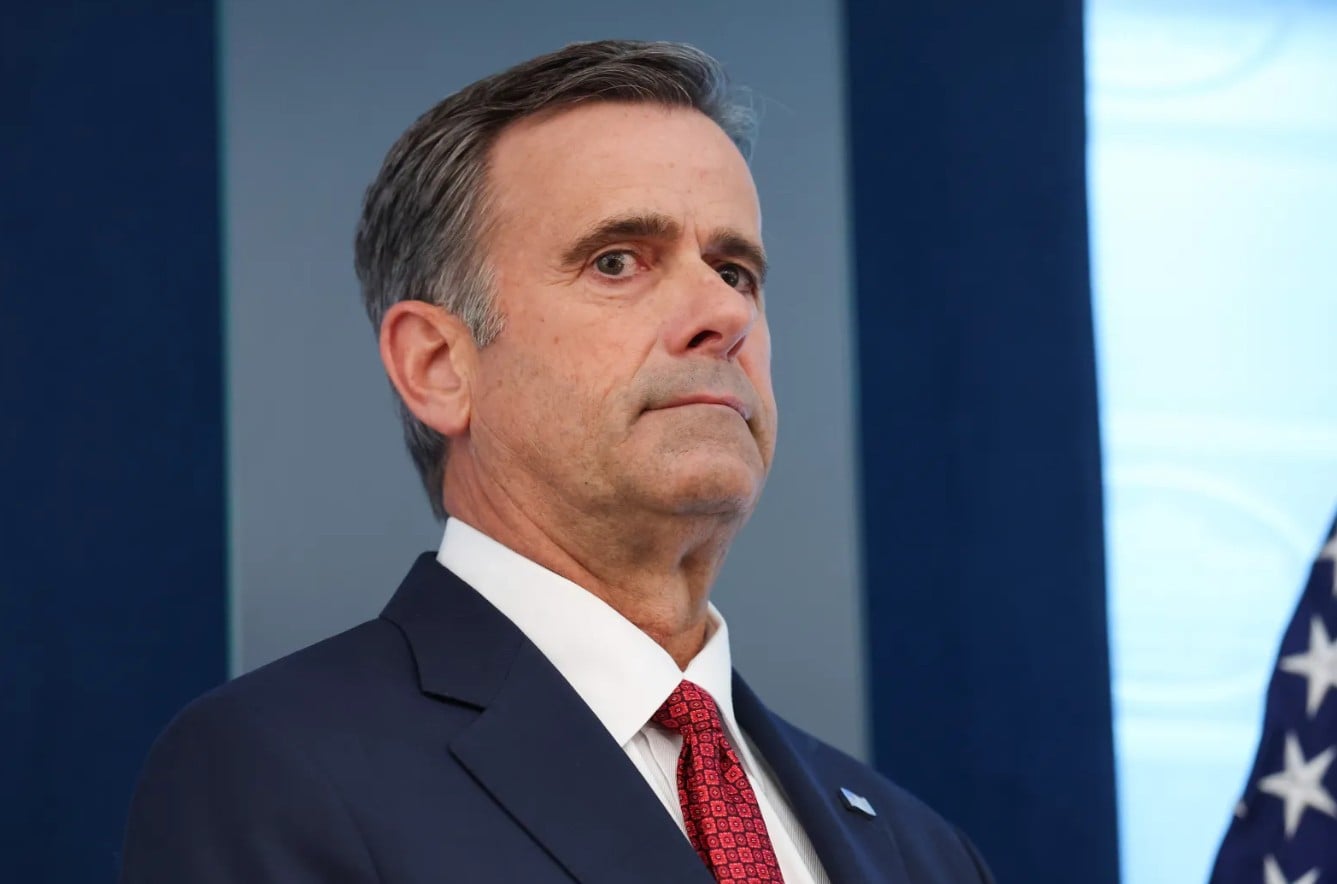
President Donald Trump publicly played down the significance of the trip, calling it semi-routine in comments reported by AP. That description sits alongside the reporting about a specific NATO warning, creating two separate public accounts of the visit: the administration’s effort to reduce its apparent drama and the sources’ claim that the talks addressed a serious security concern.
The warning was reportedly linked to U.S. intelligence assessments that Russia could try to test NATO’s resolve through a limited attack or another provocation. That is an assessment about a possible future risk, not evidence that an attack is imminent. CBS and AP did not report that Russia had decided to strike a NATO country, and the current coverage should not be read as an announcement of an impending conflict.
Ratcliffe’s trip also occurred while Washington, Moscow and Kyiv were managing the wider consequences of the war in Ukraine. AP reported that Russia-U.S. relations remain in what the Kremlin called a profound crisis, even as officials maintain intelligence contacts. A visit between intelligence officials can cover several subjects, and the public record does not disclose the full agenda or any agreement reached in Moscow.
The main verified development is therefore the trip and the reporting around its purpose, not a formal public threat or diplomatic breakthrough. Until the CIA, the White House or the Russian government releases a fuller account, readers should keep attributed intelligence reporting separate from confirmed statements. The John Ratcliffe Moscow trip is significant because of its secrecy, seniority and timing, but the details of the conversation remain limited.

Follow iNews Zoombangla On Google
Open the Google follow page and tap the checkmark option to receive more updates from iNews Zoombangla in your Google news feed.