The KiWear Ring is taking a different route from most smart rings. Instead of making health tracking the main attraction, the device is being presented as a small controller for phones, computers, displays, vehicles and smart glasses. Geeky Gadgets highlighted a recent hands-on review, while KiWear’s own pages describe the product as a prelaunch device tied to a Kickstarter campaign. It is a promising concept, but it is not yet a finished retail product with a confirmed shipping track record.
KiWear’s official product page says the ring uses air gestures such as swipes, taps and circles to trigger actions. The company positions those controls as a way to move through a digital interface without touching the screen or holding a separate remote. That could be useful when a phone is in a pocket, a laptop is connected to a display or a user is wearing smart glasses. The exact experience will depend on the companion software and the device being controlled.
The product is designed to work across more than one type of screen. KiWear lists smartphones, computers, smart displays, vehicles, smart glasses and Bluetooth earphones as target devices. Its question-and-answer page also names tablets, TVs, projectors, car screens, smart speakers and audio glasses. Those are compatibility claims from the company, not a guarantee that every action will work identically on every model.
A recent Cas and Chary VR post describes testing the ring across multiple devices. The reviewer’s interest is significant because a controller like this lives or dies by setup time and consistency, not by a specification table. A gesture that feels natural on a phone may be less useful in a car or on a television. The review gives the idea real-world context, while longer testing will be needed to judge false triggers, comfort and reliability.
KiWear says the ring supports several gesture types, including pinch gestures, taps, directional movements, drag controls and an Air Mouse mode. The campaign FAQ says users can customize the mapping between supported gestures and commands through the app. It also warns that the exact set of functions can vary by device and app. That flexibility is useful, but it means the ring is not a universal remote in the simple plug-and-play sense.
Health tracking is included, although it is not the headline feature. KiWear lists heart-rate and activity data, along with sleep and blood-oxygen insights. The company says the ring is designed for all-day wear and is waterproof or water-ready in its product material. These metrics should be treated as wellness features rather than medical measurements, and the company has not supplied independent clinical validation in the sources reviewed.
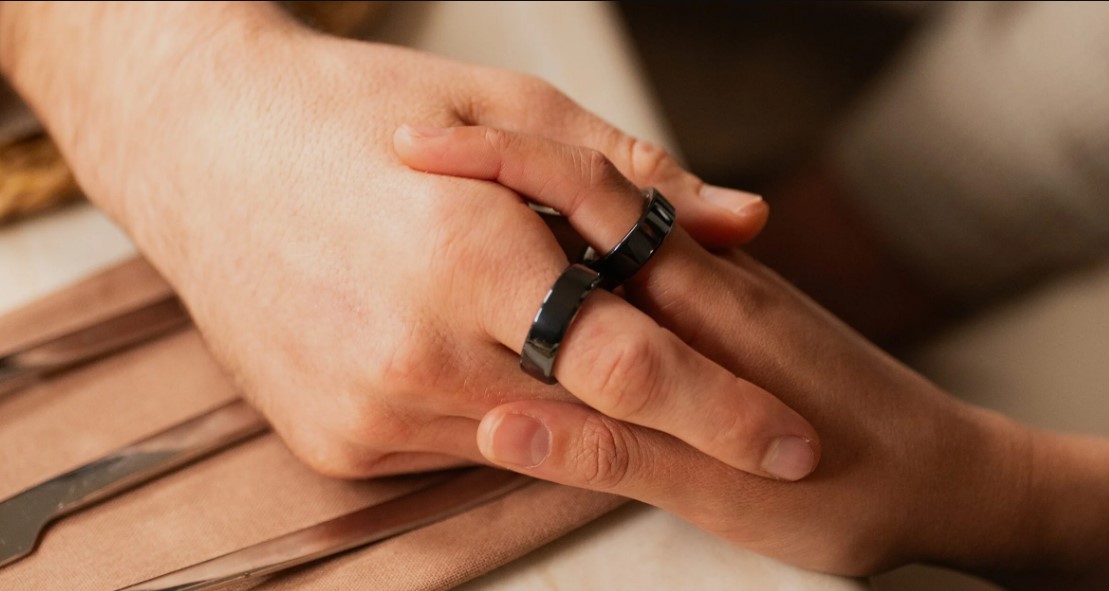
Fit is unusually important because the control sensors are position-sensitive. KiWear’s sizing guide tells users to wear the ring on the index finger of their dominant hand. The company says gestures may stop working when the ring is moved to another finger, even though health tracking can continue. That restriction could improve consistency for the intended user, but it also makes sizing and daily comfort part of the control system.
The current offer is structured around crowdfunding. KiWear’s product page advertises a 5-dollar priority deposit that unlocks eligibility for a 199-dollar Kickstarter reward, compared with a listed 249-dollar Super Early Bird price. The deposit is described as separate from the eventual pledge. Buyers should read the campaign terms carefully because the ring remains subject to production, funding and delivery conditions.
KiWear’s official answers say the campaign will launch in 2026 and that production will follow if it is funded. The company also says health and gesture data are stored securely and that users control what is shared. Those statements describe KiWear’s stated approach; they are not a substitute for a published security audit or a finished privacy policy for every supported platform. The campaign FAQ also says specific functions depend on the final software version.
KiWear Ring is best understood as a hands-free interface experiment moving toward a crowdfunded launch. Its appeal is clear: a finger-worn controller could reduce the need to reach for screens, especially in mixed-device spaces. The risks are equally clear, including gesture accuracy, index-finger fit, device-by-device limitations and delivery uncertainty. The concept deserves attention, but the final test will be whether ordinary users can rely on it every day after the campaign ends.

Follow iNews Zoombangla On Google
Open the Google follow page and tap the checkmark option to receive more updates from iNews Zoombangla in your Google news feed.