The next lunar eclipses search surge is focused on the August 28, 2026 event, but the visibility map matters as much as the date. NASA’s Scientific Visualization Studio says the deep partial eclipse will reach its greatest point at 4:13 UTC, when 96.3% of the Moon’s disk will be inside Earth’s umbra. The partial phase begins at 2:34 UTC.
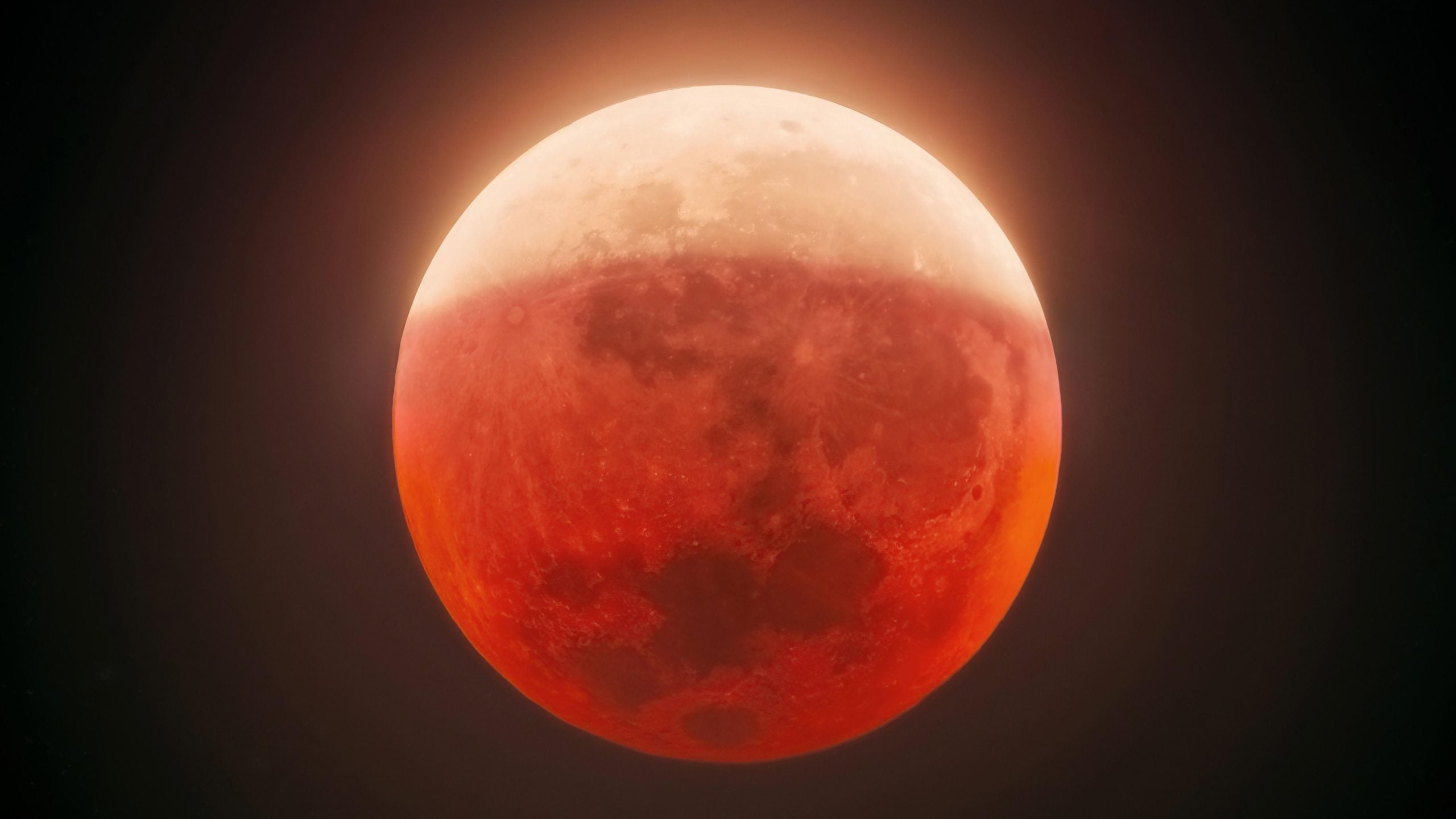
NASA’s map places the visible event across the Americas, western Europe and western Africa, with the eastern Pacific also included in the viewing region. Grey areas on the map indicate places from which the eclipse cannot be seen. The result is a regional viewing opportunity, not a global spectacle at the same local time. Exact experience will also depend on whether the Moon is above the horizon during the relevant phase.
Indonesia will not be able to observe the event directly, according to the country’s Meteorology, Climatology and Geophysics Agency, BMKG. The agency has directed interested viewers to NASA’s official livestream instead. Unlike a solar eclipse, a lunar eclipse can be watched safely with the naked eye, BMKG said.
For viewers planning coverage, the most reliable approach is to use NASA’s published timing and visibility map, then convert the event to local time. The official livestream is the practical fallback for locations outside the shaded viewing zone. This regional detail gives the August event a sharper public-interest angle than simply calling it a blood moon or listing it on an eclipse calendar.

Follow iNews Zoombangla On Google
Open the Google follow page and tap the checkmark option to receive more updates from iNews Zoombangla in your Google news feed.