Iran’s Supreme Leader Ayatollah Mojtaba Khamenei said on Thursday, June 18, that he approved the framework memorandum of understanding signed with the United States despite holding a “different view” of the deal. The statement confirmed his role in authorising the agreement while signalling that internal deliberation over its terms had been significant.
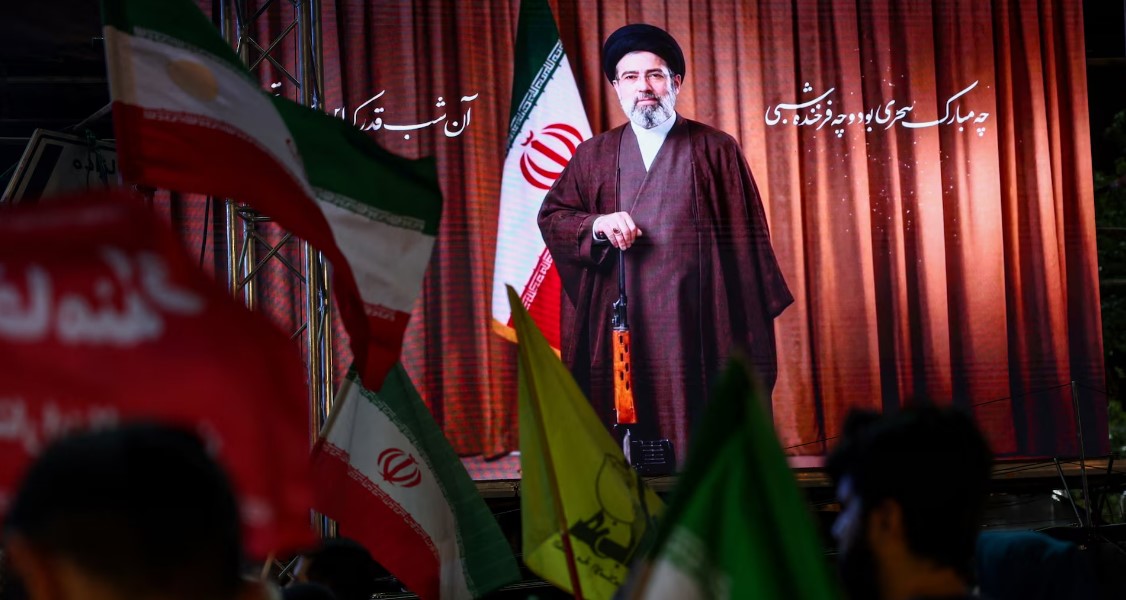
Khamenei said he received assurances from Iranian President Masoud Pezeshkian before agreeing to the deal and made clear that his acceptance was conditional. He warned that the agreement would not hold “if the American side wants to make excessive demands” during the 60-day period of follow-on talks that the memorandum sets in motion.
The United States lifted a blockade of Iranian ports following the signing, a concrete early step in implementing the framework. The deal, signed by President Trump and President Pezeshkian, includes $300 billion for Iran’s redevelopment and opens a formal negotiating window on the nuclear programme, sanctions, and the status of Iranian assets held abroad.
Khamenei’s public acknowledgment that he had reservations is notable. Supreme Leaders rarely publicly confirm internal disagreements with signed agreements. His statement serves both as a public record of his position and as a warning to Washington that the deal has limits he intends to enforce. He did not specify which elements of the memorandum he found most objectionable.
The signing in Geneva had already been delayed after Vice President Vance cancelled his initial Switzerland trip on June 19. The deal eventually moved forward, but Khamenei’s statement added a new layer of complexity to the negotiations that will follow. Iranian hardliners have criticised the memorandum from within the country’s political establishment.
The deal has been described by American officials as a historic breakthrough and by some European governments as a fragile but genuine opening. G7 members discussed the deal extensively at the Evian summit, with most supporting the framework as a starting point. Oil price changes following the Iran accord have had knock-on effects for global markets.
The 60-day negotiating window now underway will cover the most difficult issues, including Iran’s 440-kilogram stockpile of enriched uranium, which the memorandum left untouched. Those talks are expected to be contentious, and Khamenei’s stated reservations suggest Iran’s position will be firm on several key points.
Iran’s foreign minister is leading the follow-on negotiating team. The US delegation is being led by State Department officials. No dates for the first formal session of the 60-day talks have been publicly confirmed. Al Jazeera reported the full text of Khamenei’s statement as it was released Thursday evening. The situation remains among the most closely watched diplomatic developments in global politics heading into the summer.

Follow iNews Zoombangla On Google
Open the Google follow page and tap the checkmark option to receive more updates from iNews Zoombangla in your Google news feed.