President Trump’s approval rating on the economy has fallen to 33 percent in a new national poll released Friday, the lowest figure recorded during his second term and a sharp reversal from the 52 percent approval he received on economic issues in the weeks following his January inauguration.
The poll, conducted by Quinnipiac University between June 14 and 17 among 1,605 registered voters, found that 61 percent of Americans disapprove of the president’s handling of the economy, with 47 percent saying they disapprove “strongly.” The margin of error is plus or minus 2.5 percentage points.
The decline is driven primarily by concerns about consumer prices, which respondents linked directly to the administration’s tariff program. Seventy-one percent said tariffs had made their household finances worse, and 58 percent said they were buying fewer items or seeking cheaper alternatives as a result. Grocery prices, gas costs, and the price of imported electronics and clothing were cited most frequently as sources of financial strain.
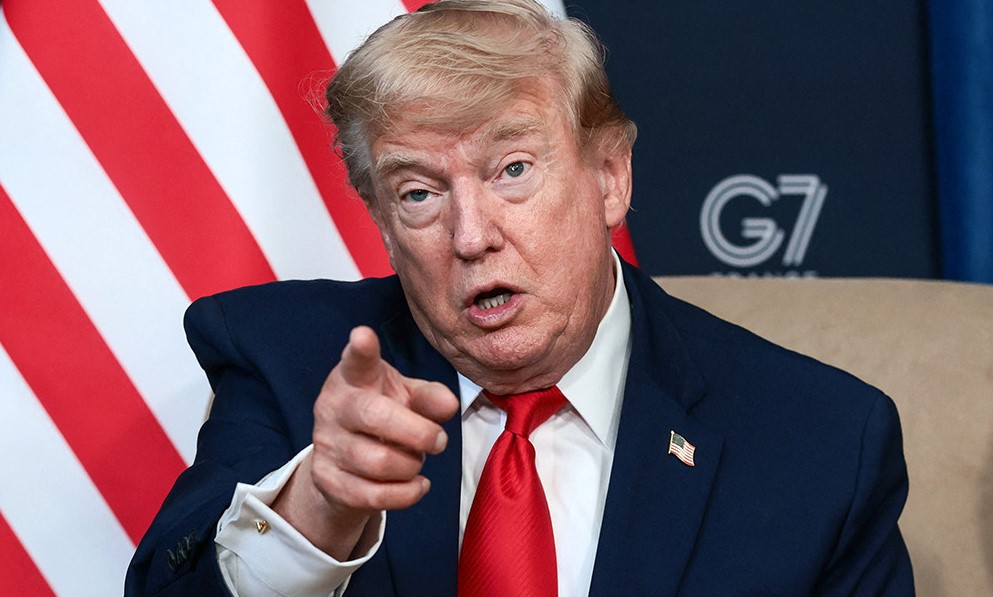
The poll also found 64 percent of independents disapproving of Trump’s economic management, a number that White House political advisers view with concern given that independent voters provided a critical margin of victory in several swing states in November 2024. Among Republicans, the president retains 81 percent approval on economic issues, but that figure is down from 94 percent in February.
Trump’s overall job approval in the Quinnipiac poll stands at 41 percent, also a second-term low. His strongest ratings remain on immigration enforcement, where he holds 49 percent approval, and foreign policy, where the recent US-Iran deal has provided a temporary boost. But the economic numbers are weighing heavily on his overall standing.
White House press secretary Karoline Leavitt pushed back on the poll Friday, pointing to June jobs data released earlier this week showing 142,000 new jobs added and an unemployment rate of 4.1 percent. She said the administration remained confident that the economy was strong and that voters would recognize that strength once the tariff restructuring was complete and new trade agreements came into effect.
Treasury Secretary Scott Bessent said this week that he expected the tariff-driven inflation spike to moderate by the third quarter as supply chains adjusted and new trade deals reduced rates on several key categories of goods. He did not put a specific number on when relief would be visible to consumers. Federal Reserve Chair Jerome Powell said in congressional testimony Tuesday that the Fed was watching inflation data closely and had not yet decided whether additional rate action was needed.
Democratic strategists said the economic approval numbers gave their party a clear path of attack heading into November’s midterm elections, the first test of the political environment since Trump’s second-term policies took full effect. The party out of power historically outperforms in midterms when presidential economic approval falls below 40 percent.
Congressional Republicans with competitive districts have privately urged the White House to accelerate trade deals that could reduce tariff rates before November. A deal with the European Union remains stalled over agricultural access. Negotiations with Japan were described as making progress by the US Trade Representative’s office on Thursday, with a preliminary framework possible before the end of the summer.
The Quinnipiac poll is the fourth major national survey in June to show Trump’s economic approval below 40 percent. An ABC/Ipsos poll earlier this month put the figure at 36 percent. A Fox News poll released June 10 had it at 38 percent. The trend is consistent across methodologies, suggesting the underlying sentiment is real rather than a polling artifact.

Follow iNews Zoombangla On Google
Open the Google follow page and tap the checkmark option to receive more updates from iNews Zoombangla in your Google news feed.