NVIDIA, Microsoft, and Arm used Computex 2026 to jointly signal what they are calling a new era of PC. The three companies positioned the combination of Arm-based silicon, Windows on Arm, and NVIDIA’s RTX and Spark AI GPU platforms as the foundation for the next generation of personal computing. The message was directed at both laptop makers and software developers: the Arm architecture is no longer a niche option on Windows, and NVIDIA’s AI hardware is expected to work across both x86 and Arm systems.
The announcement had practical implications for the laptop market. Qualcomm Snapdragon-powered Copilot+ PCs have already demonstrated that Windows on Arm can run mainstream software without the compatibility issues that plagued earlier attempts. NVIDIA’s involvement suggests that RTX hardware — including discrete laptop GPUs — will integrate with Arm-based systems more directly in the coming hardware generation.
Microsoft’s Windows team used Computex to preview AI-native features that require on-device processing. These features bypass cloud servers for tasks like image generation, document summarisation, and real-time translation. The integration depends on either a dedicated NPU in the processor, a discrete NVIDIA GPU, or both, depending on workload.
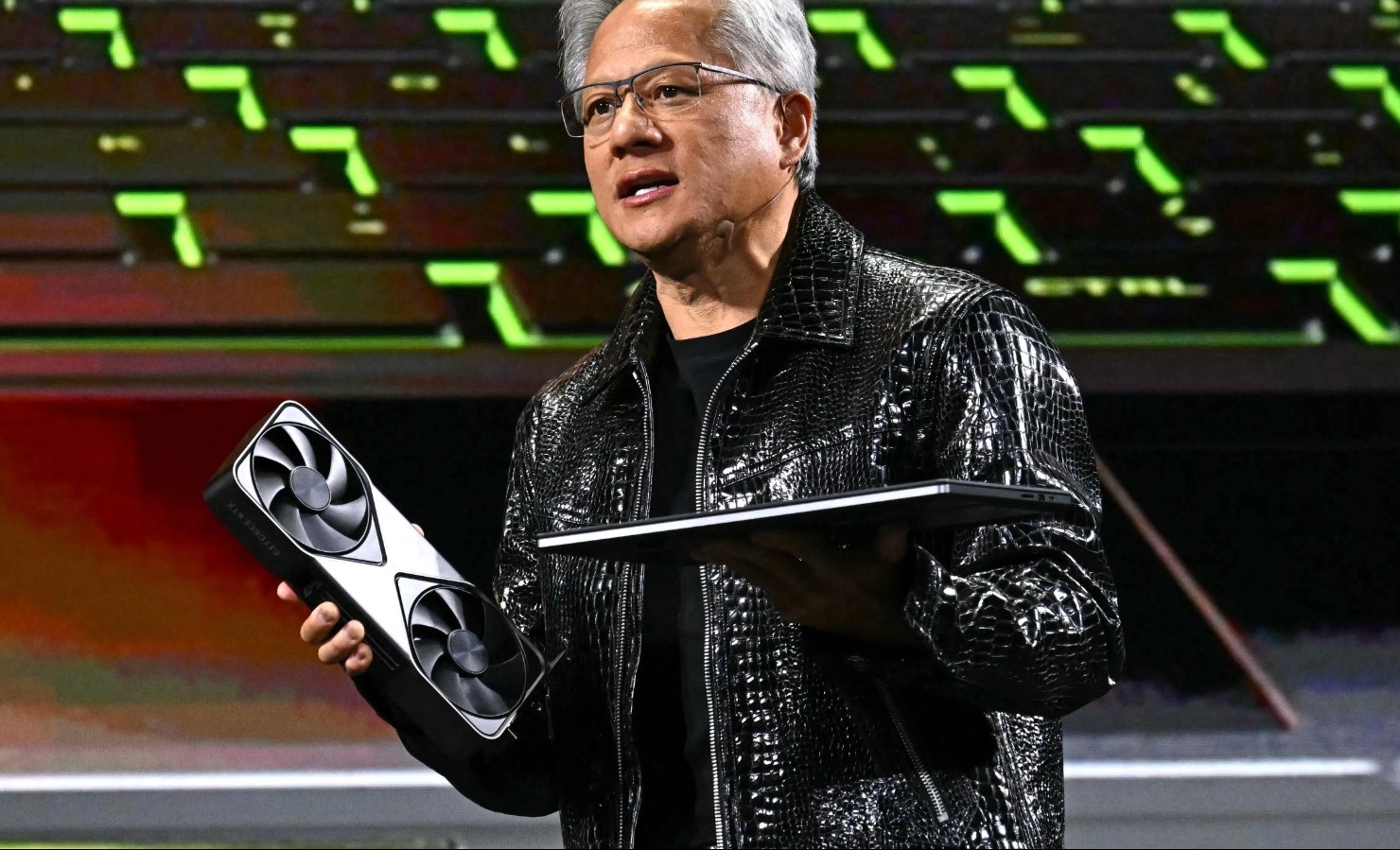
For consumers, the direct result is that 2026 and 2027 AI laptop purchases will increasingly involve a choice between Arm-native efficiency and x86 raw performance. NVIDIA is betting that its GPU ecosystem can sit on top of either architecture, giving buyers access to AI features regardless of which CPU path they choose.
Full product releases tied to this joint announcement are expected across the second half of 2026 and into 2027, as laptop manufacturers build devices around the new platform guidance.

Follow iNews Zoombangla On Google
Open the Google follow page and tap the checkmark option to receive more updates from iNews Zoombangla in your Google news feed.