England hosts India in the first-ever women’s Test match at Lord’s, July 10-13. The match is a four-day Test, not the traditional five days. It’s historic. Lord’s has been the home of cricket for 142 years. It staged its first men’s Test in 1884. This 2026 Test is the first red-ball women’s match at the ground. It marks 50 years since Rachael Heyhoe Flint first led an England women’s team to Lord’s.
Tammy Beaumont is playing her final international match in this Test. She’s retiring after 17 years and 260 appearances for England. Her farewell will be in front of a crowd at cricket’s most famous ground. England enters having lost the T20 World Cup final to Australia at this same venue. India enters needing to rediscover form after a disappointing group-stage exit at the T20 World Cup. Both teams want this match for different reasons.
A Ground, A Moment, A Player’s Goodbye
Beaumont has played for England since 2009. She’s seen women’s cricket transform from a niche sport to a professional game with proper infrastructure. She’s been part of that transformation. Playing her final match at Lord’s in a historic first Test for women is a fitting end to her career. The ground, the occasion, and the moment all align. That’s rare in sports. Most athletes don’t get to choose the perfect send-off.
Nat Sciver-Brunt leads the England team now. She’s the captain for this moment. The pressure is different when you’re captaining a historic match. The pressure compounds when your best batter is playing her final game. Sciver-Brunt understands the weight. She’s played big matches before. She’ll navigate it.
India’s Chance to Reset
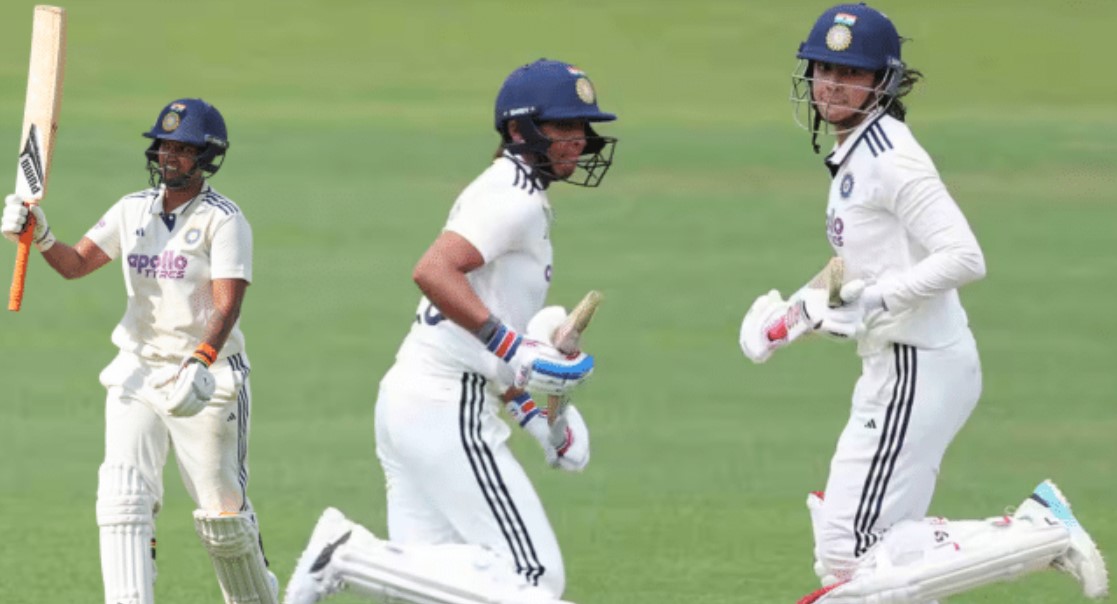
India had high expectations at the T20 World Cup. They didn’t meet them. The group stage exit was disappointing. This Test is a chance to reset. Red-ball cricket is different. It requires patience. It allows for longer partnerships. India has skilled players who thrive in longer formats. Harmanpreet Kaur leads a team with depth. They can play Test cricket at a high level if they focus.
The four-day format is relatively new for women’s Test cricket. It’s not the traditional five days. That’s a practical choice given the limited schedule. The format still requires players to bat deep and bowl long spells. It’s still Test cricket. The skills are identical. The endurance demand is the same.
Why This Match Matters Beyond the Sport
Televising women’s Test cricket at Lord’s is symbolic. It says the sport belongs in the game’s highest temple. It says women’s cricket deserves the same venue, the same crowd, the same respect. That matters beyond the boundary. Young players watching will see themselves reflected in the moment. They’ll see women playing Test cricket at the Home of Cricket. That changes what they believe is possible.
This Test is about the future of women’s cricket as much as it’s about these two teams playing next week.