As dusk settles over Saudi Arabia on Tuesday, attention will turn quietly to the western horizon. The Supreme Court of Saudi Arabia has issued its annual call for Muslims across the Kingdom to sight the crescent moon that will signal the start of Ramadan.
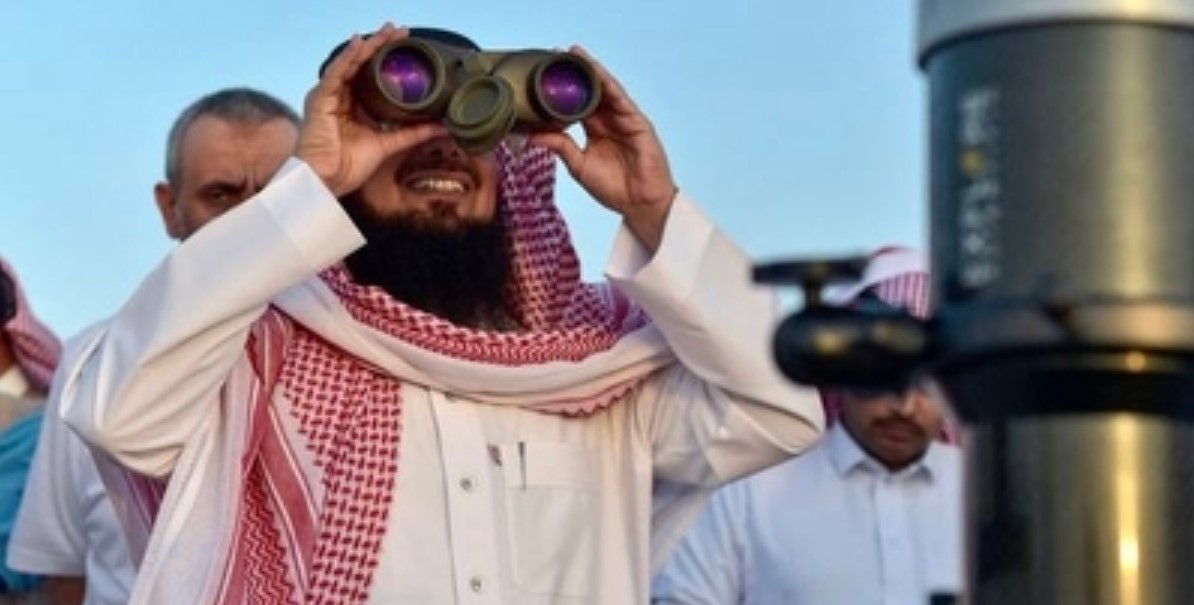
The court has urged anyone who observes the new moon—whether with the naked eye or binoculars—to report to the nearest court or contact the designated center in their region. According to Arab News, committees have been formed nationwide to coordinate the process and assist those who come forward with sightings.
Tuesday corresponds to the 29th day of Sha’ban in the Islamic lunar calendar. If the crescent is confirmed that evening, Ramadan will begin on Wednesday, February 18. If not, Sha’ban will complete 30 days, and the fasting month will commence on Thursday, February 19.
The practice of moon sighting is longstanding, rooted in centuries of Islamic scholarship and communal observance. It remains both a legal and spiritual moment, linking individuals to a broader collective decision that shapes the rhythm of daily life for weeks ahead.
As reported by the Associated Press, the start of Ramadan can vary from country to country. Some communities rely strictly on physical sightings, while others incorporate astronomical calculations. This year, the expected start around February 18 or 19 coincides with Ash Wednesday, marking the beginning of Lent for Christians—an uncommon overlap of two major religious seasons centered on reflection and restraint.
For Muslims, Ramadan fasting is one of the Five Pillars of Islam. From dawn to sunset, observers abstain from food and drink, including water. Beyond physical discipline, the month emphasizes worship, charity, and heightened awareness of those facing hardship.
Each day is framed by two meals: suhoor before sunrise and iftar after sunset. In many cities, mosques fill at night with worshippers for extended prayers and Quran recitation. Acts of charity intensify, with individuals and organizations distributing meals or essential food supplies to those in need.
Exemptions are provided for people who are ill or traveling, with missed fasts made up later. The framework reflects an emphasis on practicality and compassion within religious obligations.
Across the Muslim world, local traditions shape how Ramadan is experienced. In Egypt, lanterns light up neighborhoods, and the mesaharati still walks the streets before dawn, calling residents to wake for suhoor. The sound of drums remains part of the month’s familiar rhythm.
In Indonesia, customs vary widely. In Aceh, families share meat during Meugang festivities. In Tangerang, some residents gather along the Cisadane River for symbolic cleansing rituals. In parts of Sumatra, children carry torches after evening prayers, turning the night into celebration.
In the United States, where Muslims represent a diverse minority, mosques and Islamic centers host communal iftars that provide a sense of belonging. Some communities open those gatherings to neighbors of other faiths, reflecting a quieter form of outreach.
Modern life has also left its mark. Television programming surges during the month, and markets stock Ramadan-themed goods. Within communities, discussions continue about preserving the spiritual core of the month amid growing commercialization.
Read more:
For now, the focus returns to the sky. In Cairo and beyond, families are preparing, aware that a thin line of light at sunset will set the pace for the weeks ahead. The final decision rests, as it has for generations, on a shared witness to the moon.