Firefighters battling the largest active wildfire in the United States are now facing a weather situation the National Weather Service in Salt Lake City has never issued a warning for before — a “particularly dangerous situation” red flag designation, used for the first time in the office’s history.
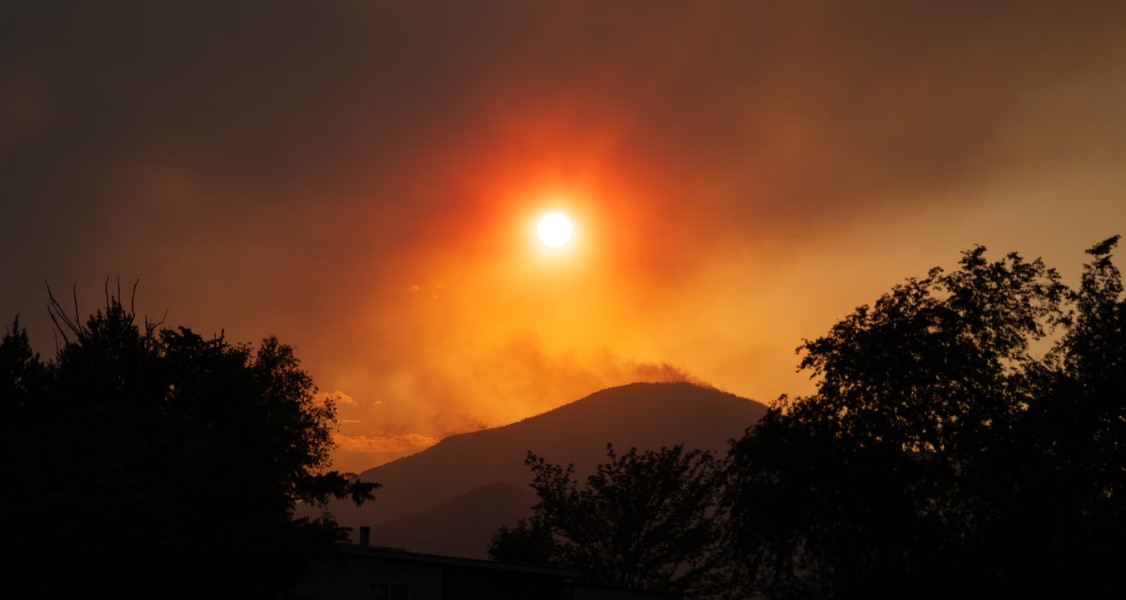
The warning covers parts of southern Utah and reflects a convergence of extreme fire conditions: high winds, record temperatures, and critically low humidity all occurring simultaneously. The NWS called it a “volatile combination” that makes containment efforts far harder for crews already stretched thin.
What a Red Flag Warning Means
Red flag warnings are issued when conditions are ripe for rapid fire spread. The “particularly dangerous situation” designation — abbreviated PDS — is a rare escalation above the standard warning. It tells emergency managers and fire crews that they’re dealing with conditions that can turn a manageable fire into an uncontrollable one in a matter of minutes.
For context, the NWS office in Salt Lake City has operated for decades without ever needing to issue a PDS red flag warning. The fact that it was used for the first time now, in June 2026, signals something outside the range of typical fire weather for the region.
The Wildfire Itself
The fire burning in southern Utah is currently the nation’s largest active wildfire. Specific acreage and containment figures were not disclosed in initial reports, but the scale is significant enough that it drew the National Weather Service’s highest-level fire weather designation.
Crews have been deployed from multiple states. The terrain in southern Utah — dry canyon country with irregular winds — makes ground operations difficult and air support less predictable.
A Pattern Repeating
The western United States has seen increasingly severe early-season wildfire conditions over the past several years. June fires of this scale were once unusual. They are becoming part of the expected summer pattern across Utah, Nevada, Arizona, and California.
Emergency managers in the affected areas were urging residents near fire-prone zones to review evacuation plans and stay informed through local emergency alerts.
The fire remains active as of Sunday, June 28. Updates will follow as containment figures and evacuation orders are confirmed.
References
NPR. (2026). Critical fire weather complicates firefighting efforts in massive Utah wildfire. Published June 27, 2026.

Follow iNews Zoombangla On Google
Open the Google follow page and tap the checkmark option to receive more updates from iNews Zoombangla in your Google news feed.