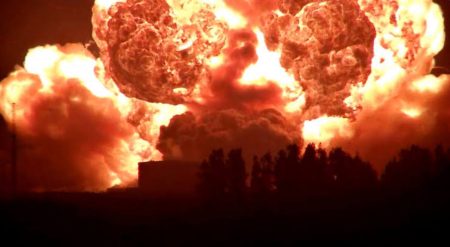
The phrase viral videos video is drawing attention after a dramatic glacier clip was shared online as evidence of the floods that struck Nepal. Two fact-checking organisations found that the footage was not recorded in Nepal and was not connected to the disaster.
Alt News reported on September 3 that the clip had been circulated with claims about a glacial lake outburst flood in Nepal or China. Its reverse-image checks traced the video to an Instagram reel posted by Leigh Coates on August 22.
Fact Crescendo reached the same conclusion in a September 5 review. The outlet said the reel showed Columbia Glacier in Alaska, where a large section of ice was seen breaking and moving into the water.
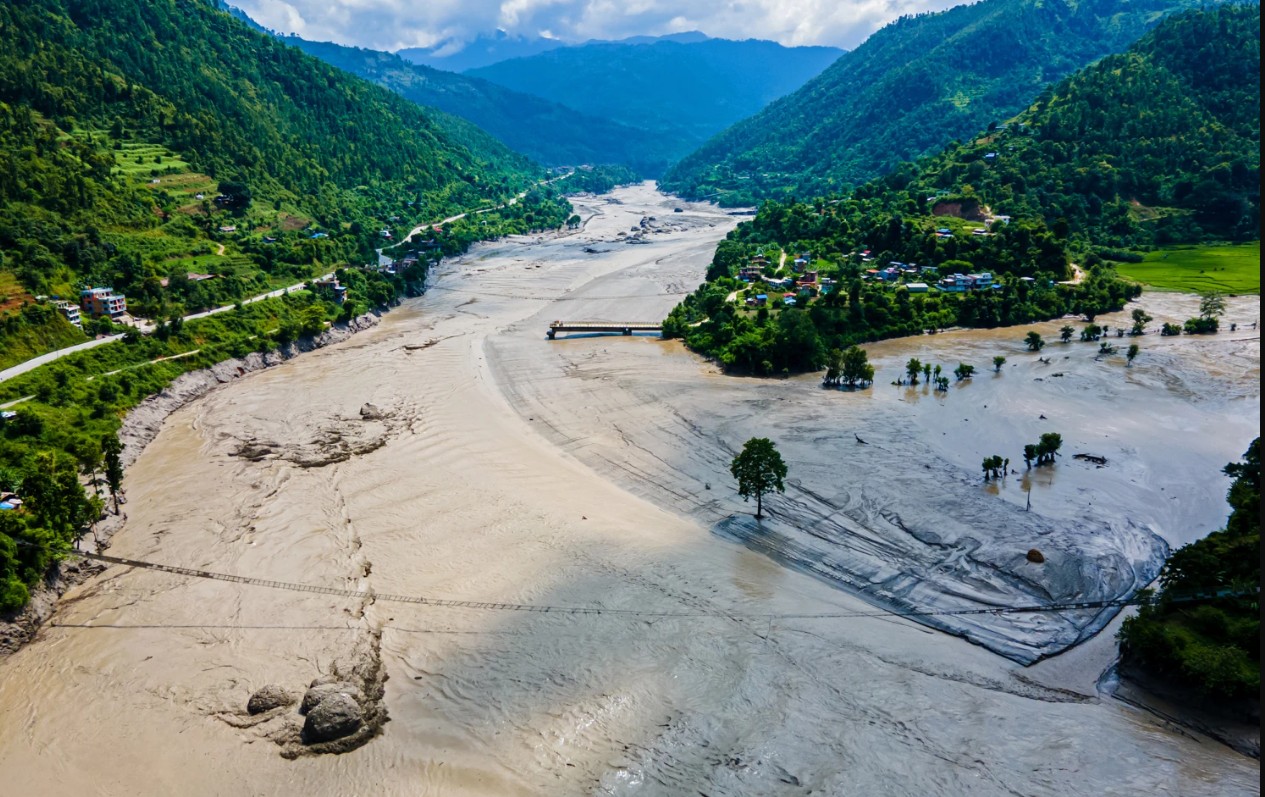
The location matters because the video’s visual drama made the false caption seem believable. A wall of ice and water can look similar across different regions, but the original upload, landscape details and posting date place this clip in Alaska.
The misleading posts appeared after floods in Nepal on August 26. The Kathmandu Post reported that the disaster was followed by a wave of misinformation, including old footage, unrelated images and material presented without a reliable location.
That context does not mean the Nepal flooding was unreal. It means the glacier clip cannot be used as proof of what happened there, and it should not be presented as footage from the affected area.
Fact-checkers recommend checking an original upload before sharing a fast-moving disaster video. Searchers can compare the earliest available post, inspect the account that uploaded it and look for reporting from local authorities or established newsrooms.
Users should also be careful with captions that name a place but offer no date, source or first-hand detail. A location label can be changed in seconds, while reverse-image tools and older posts can reveal where a clip first appeared.
The Alaska origin gives the video a clear identity, but it does not answer every question about Nepal’s floods. For that, readers should rely on on-the-ground reporting, official statements and verified weather or disaster information rather than a viral clip alone.

Follow iNews Zoombangla On Google
Open the Google follow page and tap the checkmark option to receive more updates from iNews Zoombangla in your Google news feed.