The Xiaomi 18T and Xiaomi 18T Pro have appeared in recent reports about entries in the GSMA database. The sightings have renewed attention around Xiaomi’s next T-series phones and the company’s changing release calendar. They do not amount to a product launch. Xiaomi has not published a final specification sheet, price or sales date for either model.
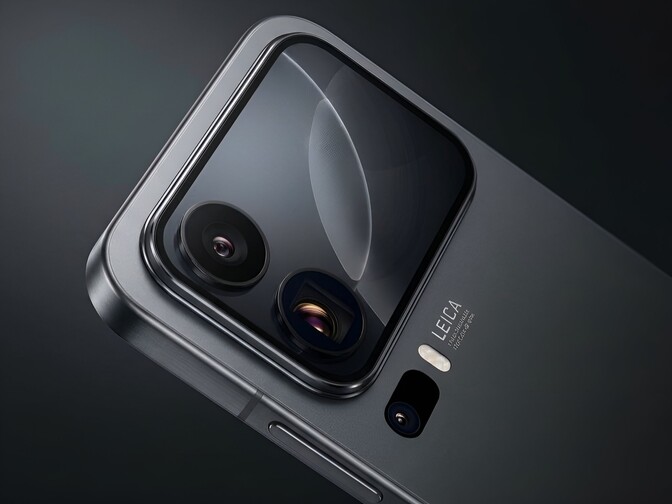
NokiaMob first highlighted the database story in a September 4 report. A follow-up report from GizChina also described model numbers linked to the Xiaomi 18T and 18T Pro. The available information is useful because it points to regional development work. It is limited because a database entry does not tell buyers how the finished phone will look or perform.
The standard Xiaomi 18T is reported with three identifiers. M299EA is linked to China, 27022PT99G to a global version and 27022PT99I to an India version. Reports also associate the standard model with the internal name “sanjose.” These entries suggest Xiaomi is preparing several market variants, but they do not confirm that every version will reach stores.
The Xiaomi 18T Pro has been seen with two other identifiers. Reports list 27016PT45G for a global version and 27016PT45R for a regional version. The Chinese model number and internal name for the Pro have not been identified in the coverage reviewed. That makes the Pro listing less complete than the record reported for the standard model.
Much of the launch-calendar discussion comes from the first four digits of the model numbers. Reports interpret 2701 as January 2027 and 2702 as February 2027. If Xiaomi’s numbering convention is being used that way, the T-series could arrive in the first quarter of next year. This is an inference from the identifiers, not a date announced by Xiaomi.
The possible timing would mark another change for the series. The Xiaomi 15T family arrived in September 2025, while the Xiaomi 17T generation moved to a spring window in 2026, according to the recent reports. An early-2027 launch would place the 18T models closer to the beginning of the year than the older T-series pattern. That history explains the interest, but it cannot turn a model code into a confirmed calendar.
The database sightings also do not settle the hardware. No verified chipset, display, camera arrangement, battery capacity or charging speed is attached to the records in the current reports. Any specification list circulating beside the model numbers should be treated as a separate claim. Xiaomi’s official product pages will be needed before those details can be reported as final.
Regional identifiers are still meaningful for buyers who follow Xiaomi’s global strategy. The reported India code shows that a version for that market is being tracked, while the global code points to broader distribution planning. Neither code guarantees a local retail release. Warranty coverage, network bands, software region and launch pricing would all need separate confirmation.
The GSMA database is best understood as a development and certification trail. It can reveal that a manufacturer is registering device references for different markets. It cannot replace a launch event, an official store listing or a company specification page. It also cannot show whether a project will change or be delayed before it reaches customers.
For now, the Xiaomi 18T and Xiaomi 18T Pro story has one firm layer and one speculative layer. The reported model numbers and regional references are the firm observations from recent coverage. The early-2027 timing is an interpretation, and the phones’ specifications and prices remain unknown. Xiaomi’s own announcement will decide when the database clues become a real product story.

Follow iNews Zoombangla On Google
Open the Google follow page and tap the checkmark option to receive more updates from iNews Zoombangla in your Google news feed.