Three smartphone makers unveiled AI-powered phones at the World Artificial Intelligence Conference in Shanghai this week, marking a shift from AI features to AI agents embedded in hardware.
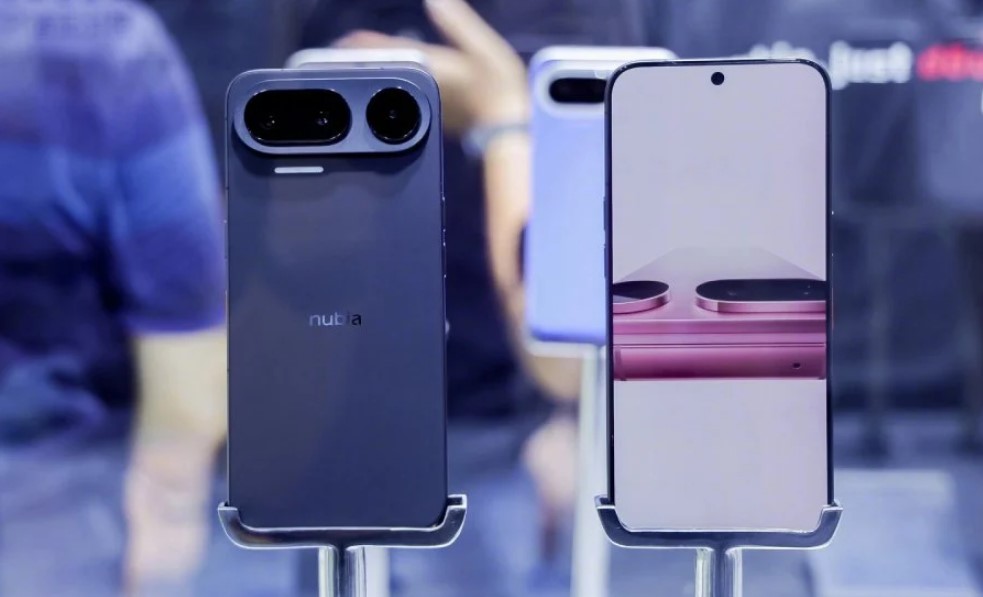
Nubia’s NaviX Ultra, powered by Doubao (ByteDance’s massively popular AI chatbot), can order food, compose messages, and execute complex tasks based on voice commands alone. It’s not a phone with AI features. It’s a phone that IS an agent.
From Assistant to Agent
The gap between smartphone AI assistants and true agents is the difference between reacting and acting. Siri can set a reminder. An AI agent on NaviX Ultra can read your calendar, check restaurant availability, place an order, and confirm payment—all from one voice command.
This matters because phones have been stuck at the assistant tier for a decade. Every voice assistant on the market responds to commands. Agentic phones execute multi-step workflows without intervention.
Why Now?
Two shifts made this possible. First, smaller AI models are now capable enough to run locally on phones without cloud dependency. Second, phone makers realized voice is the last great UX frontier—most people still navigate phones by touch because speech interfaces haven’t been smart enough to anticipate what users actually want to do.
Doubao is popular in China because it handles context and nuance better than Western LLMs in Mandarin. Nubia is betting that Chinese users will value a phone whose AI actually understands what they’re asking for.
The Reset
For the past five years, smartphone differentiation has narrowed to camera quality and processor speed. Both are converging. AI agents are the first genuinely new category since 3G changed what phones could do.
Expect Western phone makers to announce their own agentic devices within three months.
The phone that acts instead of just listening is quietly reshaping what a phone is.

Follow iNews Zoombangla On Google
Open the Google follow page and tap the checkmark option to receive more updates from iNews Zoombangla in your Google news feed.