
A recall of certain Amana through-the-wall air conditioners and heat pumps is putting a small electronic component at the center of a larger household safety message. The U.S. Consumer Product Safety Commission says a part on the control board can short and emit flames, creating a fire hazard.
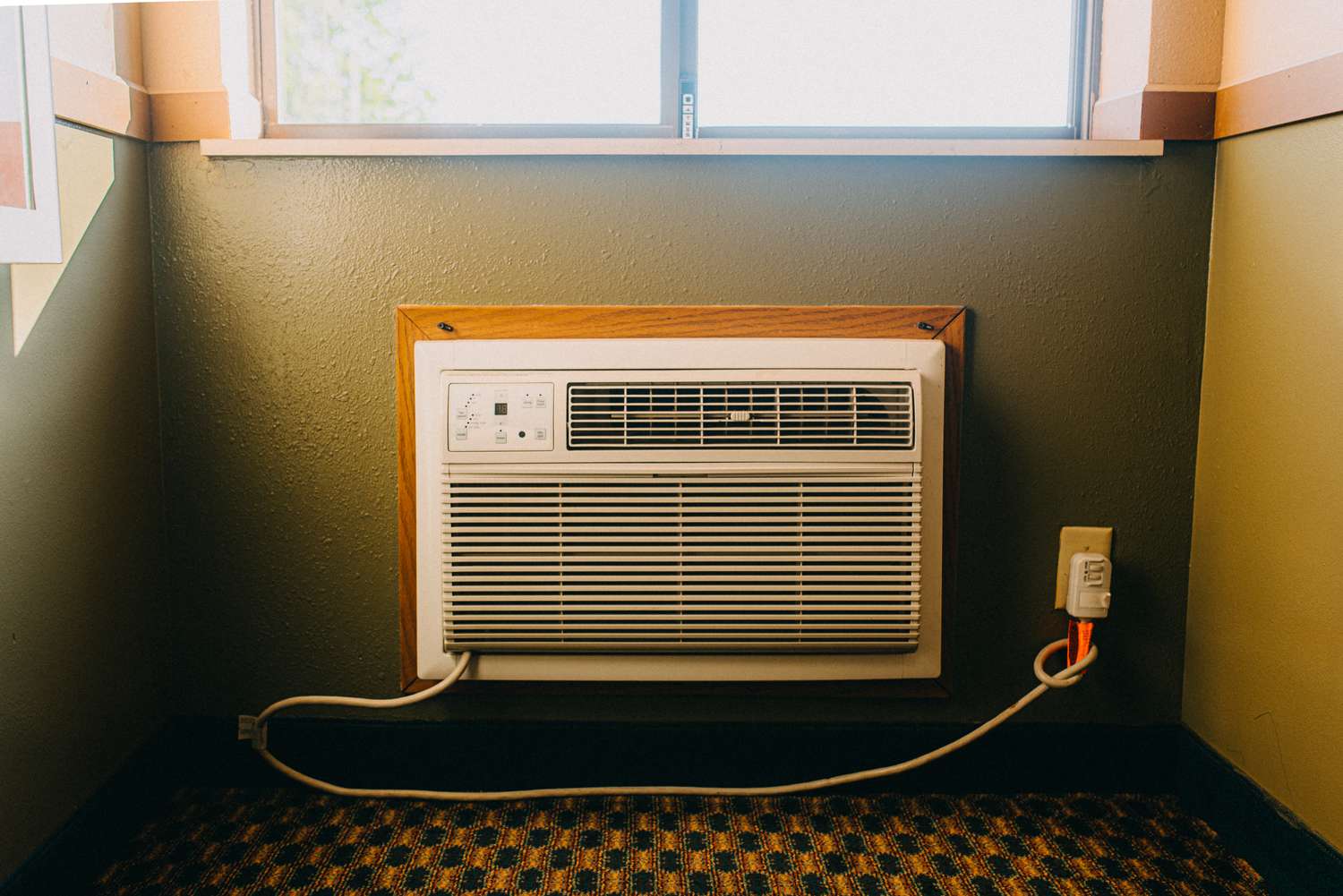
The recall covers selected Amana TTW units and was announced by Daikin Comfort Technologies Manufacturing on September 3, 2026. CPSC lists about 4,633 units in the United States and another 126 sold in Canada. The affected machines are used for room climate control and are commonly installed in hotels, apartments and commercial spaces.
Consumers should not identify a recalled product by the brand name alone. CPSC says the model number begins with PB on the affected TTW products, while the model and serial information is on a label at the front edge of the base pan. Owners should compare the complete information with the official recall notice instead of relying on a similar-looking cabinet.
The remedy listed by CPSC is a refund. The agency advises consumers to contact Daikin Comfort Technologies through the recall channel and follow the instructions for the specific unit. A refund process may require proof of the product, so owners should keep the model and serial details available when they contact the company.
Until a unit is confirmed safe or a remedy is completed, households should avoid opening the cabinet or trying to repair the control board themselves. Air conditioners connect to high-voltage power, and an untrained repair can create additional electrical and fire risks. A qualified professional should handle any service that the manufacturer or safety agency recommends.
The recall also shows why appliance owners should keep records after installation. Model numbers, purchase dates and service visits make it easier to respond when a manufacturer issues a notice. Property managers should check shared equipment rather than assuming residents will see a recall alert.
Amana owners should consult the CPSC notice and the manufacturer’s recall page for the latest instructions. The practical lesson is straightforward: confirm the model, stop using an affected unit as directed and use the official remedy rather than an improvised fix.