Anker’s MindBase concept puts a different question in front of the smart-home market: can a home hub make AI useful without sending every request to a remote service? The product idea is less about adding another voice assistant and more about giving people one place to manage devices, files and routines.
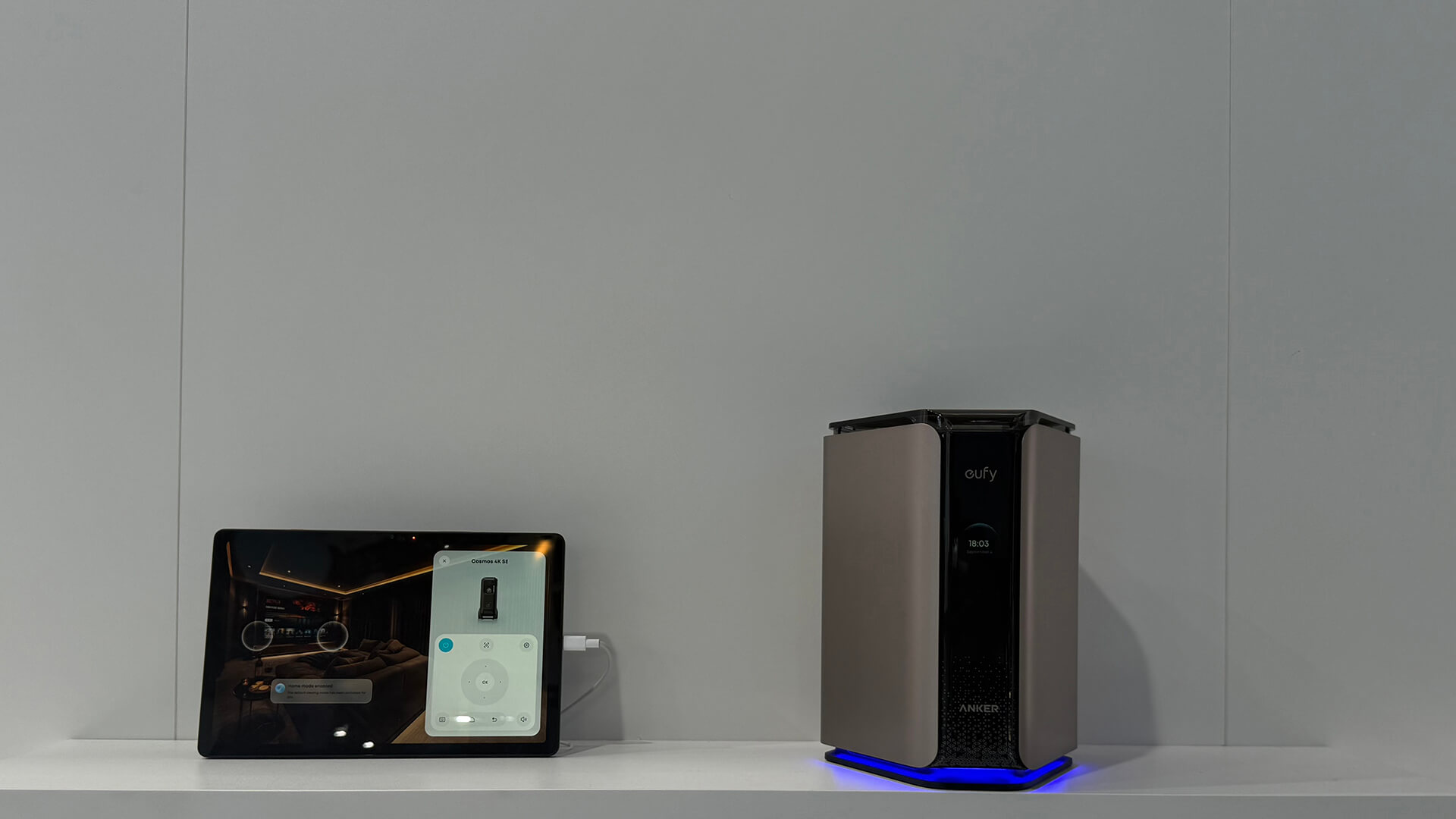
Coverage of Anker’s IFA 2026 announcements describes MindBase as an AI-powered home hub. That description is a product introduction, not proof that every planned feature will be available on the first day or in every country. Buyers should wait for the final specification, software terms and supported-device list before treating the hub as a finished replacement for existing platforms.
Local processing can still be valuable. A hub that handles some commands in the home may respond more quickly and continue to work when an internet connection is poor. It can also limit the amount of everyday information that leaves the house. Those advantages depend on the hardware’s performance and on clear controls for anything sent to a cloud service.
The real test will be compatibility. A home contains products from many brands, and people do not want to rebuild their lighting, cameras or heating controls around one new box. Support for open standards can make the transition easier, but standards do not guarantee that every advanced feature will work across devices.
MindBase also raises a question about identity and access. If a hub can control locks, cameras or appliances, different members of a household need different permissions. Owners should be able to see which devices are connected, which commands were issued and how to remove access when a guest or service provider no longer needs it.
AI features should be judged by the jobs they complete, not by how often they appear in a product description. A useful hub might turn a group of routine commands into one reliable scene, summarize a device alert or help find a file. It should also say when it does not understand a request rather than quietly taking an unsafe action.
Anker’s MindBase is therefore interesting as a direction for connected homes. Its success will depend on local intelligence, broad compatibility and privacy controls that ordinary users can understand. The hardware will attract attention, but the software rules will decide whether it earns a permanent place in the home.