HyperX has introduced the Cloud Alpha Air as an open-back gaming headset, giving players a different sound and comfort choice from the company’s more familiar closed-back designs. The product was shown during the brand’s latest gaming hardware presentation and is aimed at users who want a wider, more natural listening feel.
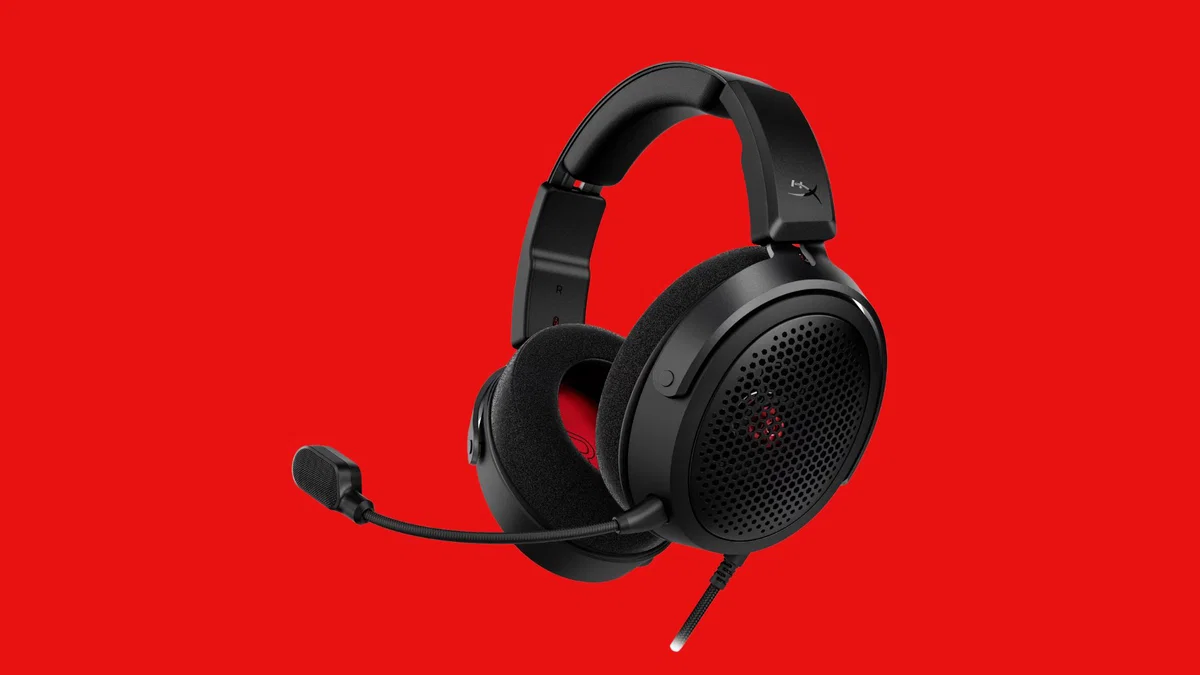
Open-back ear cups allow some air and sound to pass through the rear of the enclosure. That can reduce the closed-in sensation many gamers notice during long sessions. It also means more sound can escape into the room, so the design is not ideal for a shared office, a quiet library or a player who needs strong isolation.
HyperX is pairing the design with a boom microphone and the controls expected on a gaming headset. The exact experience depends on the game, the audio mix and the device used to drive the headset. A console, PC and handheld can provide different levels of volume and chat support.
Comfort is a central part of the product’s pitch. Headsets stay on the user for hours, and pressure, heat and weight can matter as much as sound quality. A lighter design can help some players, but fit remains personal. The headband, ear cushions and adjustment range should be checked before purchase.
The Cloud Alpha Air also arrives as gaming hardware becomes more flexible. Players move between competitive games, films, music and voice chat, often across several devices. A headset that sounds open and spacious can suit single-player games, while competitive users may still prefer a model that blocks room noise.
Compatibility and connection details are important because the same headset can behave differently on USB, wireless or analogue connections. HyperX’s official support information should be used for the final platform list, firmware requirements and microphone controls. A product announcement alone is not a substitute for testing on every console.
The Cloud Alpha Air does not replace closed-back headsets. It gives HyperX a new way to serve players who value openness and room awareness. Buyers should choose based on where they play, whether sound leakage matters and how much isolation they need, rather than treating the open-back design as an automatic upgrade.