Apple agreed to pay $250 million to settle a series of class-action lawsuits accusing the company of misleading consumers about the availability and capabilities of Apple Intelligence, its suite of AI features, when marketing the iPhone 16 lineup in the autumn of 2024. The settlement, which Apple reached without admitting wrongdoing, covers claims filed by iPhone 16 purchasers who say they bought the device based on AI feature promises that were not yet functional at the time of sale.
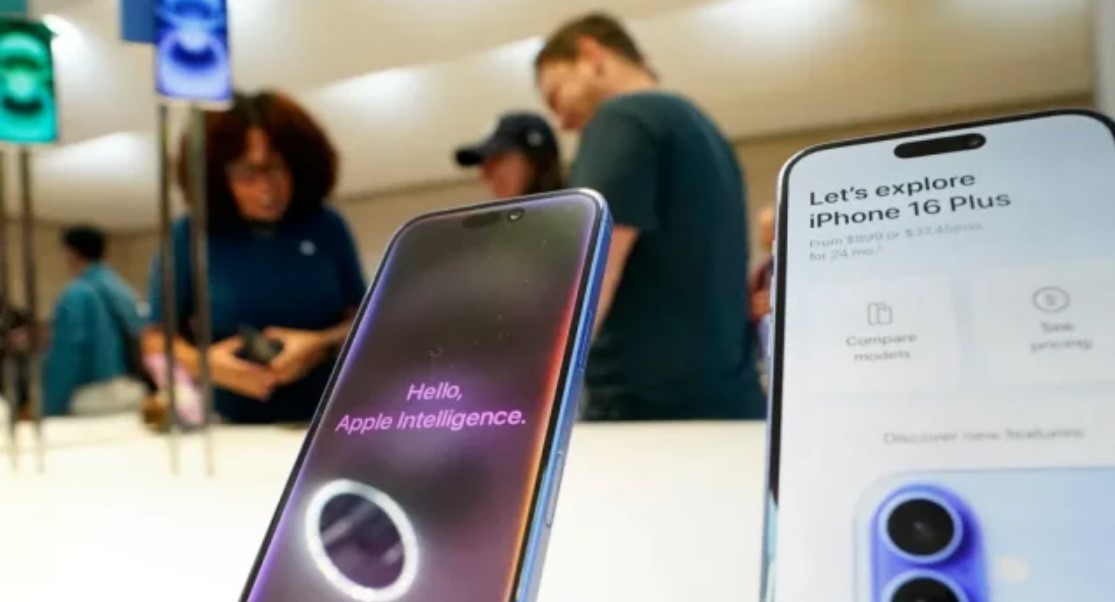
The central complaint in the litigation was that Apple prominently advertised Apple Intelligence capabilities — including an upgraded Siri, AI writing tools, and a new suite of notification summaries — in its iPhone 16 launch materials, while the features were either not available at launch or rolled out gradually over subsequent months. Several plaintiffs argued they paid a premium for a device based on advertised capabilities they could not actually use when they received their phone.
Apple’s Siri improvements, in particular, were the subject of repeated delays. The company promised a dramatically smarter Siri powered by large language model technology in September 2024. Many of the promised capabilities were not fully deployed until software updates released well into 2025. The lawsuit argued that advertising those capabilities before they existed violated consumer protection laws in California and several other states.
The $250 million settlement is modest relative to Apple’s scale — the company generated over $400 billion in revenue in its most recent fiscal year — but it represents one of the larger consumer class-action resolutions in the technology sector involving AI feature claims. Legal analysts have described the case as a warning to technology companies about the risks of marketing features before they are ready for deployment.
The settlement arrives as Apple has made significant further investments in its AI capabilities. At WWDC 2026 in June, the company announced macOS 27 Golden Gate with upgraded Siri functionality, a partnership with Google to enhance AI processing on Apple silicon, and new AI-powered features across Safari, Photos, and its productivity applications. Apple Intelligence is now fully deployed across the iPhone 16 lineup and the newer iPhone 17 series.
Class members who purchased eligible iPhone 16 models will receive a portion of the settlement fund after legal fees and administrative costs are deducted. The per-device payment is expected to be modest, as is typical in consumer technology class actions with large pools of claimants. Claims administration and the distribution timeline will be determined by the court overseeing the settlement.
The case is part of a broader wave of litigation testing how consumer protection law applies to AI marketing. Several other technology companies face similar claims over product announcements that preceded actual feature availability. Legal observers say the Apple resolution may encourage more companies to settle quickly rather than litigate, given the reputational risks of contested class-action trials in the AI space. More on Apple’s AI developments is in our technology coverage. Official information about the settlement will be available through the US Securities and Exchange Commission filings once the court approves the final terms.

Follow iNews Zoombangla On Google
Open the Google follow page and tap the checkmark option to receive more updates from iNews Zoombangla in your Google news feed.