AREX is preparing the AREX ONE dive computer, a system that places information inside an augmented-reality mask. The company says the system uses a transparent waveguide and a Micro LED display so divers can see data without looking down at a separate wrist computer. It is being presented as a product in development.
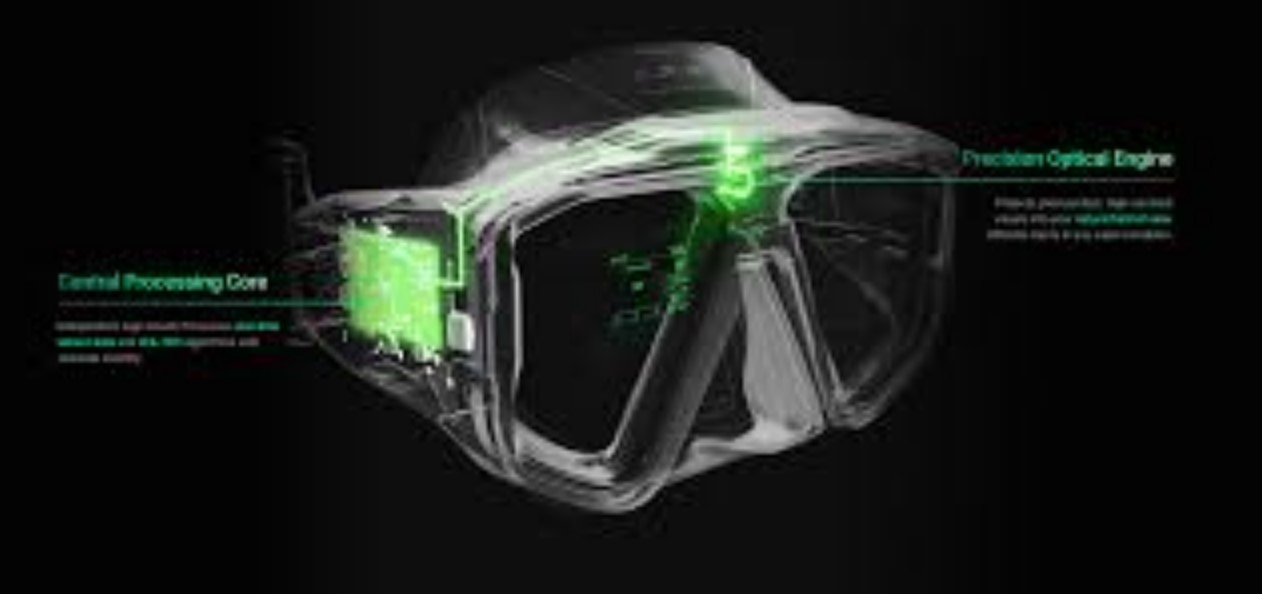
AREX lists a 640 by 480 display with a 30-degree field of view. Its website also says the display reaches 98 percent transparency. Those figures describe the optical system, but the usefulness of any heads-up view will depend on clarity, contrast and how the image behaves in changing water conditions.
The computer is designed for several dive modes. AREX says the software supports air, nitrox, trimix and closed-circuit rebreather use. It also lists the ZHL-16C decompression model. Divers should still treat any computer as an aid and follow the training, equipment and safety procedures required for the type of dive.
The company’s specifications list a maximum depth of 120 meters. The official site gives a weight of about 350 grams and describes Qi charging. It also lists a 1,500mAh battery with up to 40 hours of use, although real runtime can change with brightness, sensors and temperature.
Controls are built around a sensor and dial system. The concept is intended to let a diver move through information without a phone or a large external control panel. An optional transmitter can add tank-pressure data, while other planned accessories include a Marine ID Scanner and a Sync Dive Torch.
AREX says a Kickstarter campaign is scheduled to begin on September 22, 2026. The company lists an expected manufacturer suggested retail price of $1,499. A crowdfunding campaign is not the same as a retail guarantee, and final specifications, delivery dates and pricing can change before production.
The mask also raises practical questions about visibility and distraction. A diver may need to read the display while managing buoyancy, navigation and a buddy relationship. Testing by qualified divers will be needed to show whether the information remains readable without pulling attention away from the surroundings.
There is a clear benefit if key data can stay in a diver’s normal field of view. Depth, time, decompression information and pressure readings could be easier to check during a busy dive. That benefit depends on accurate sensors, reliable software and a design that does not block a diver’s view.
AREX’s current materials establish the concept and its planned feature set. They do not establish independent safety certification or final production performance. Divers considering the ONE should wait for the campaign details, certification information and independent reviews before relying on it for a real dive.

Follow iNews Zoombangla On Google
Open the Google follow page and tap the checkmark option to receive more updates from iNews Zoombangla in your Google news feed.