India’s Ministry of Road Transport approved a Rs 15,000 crore expressway project on July 23, 2026, connecting Rajasthan, Madhya Pradesh, and Uttar Pradesh. The Atal Expressway spans 417 kilometers and will become a critical north-south transport corridor.
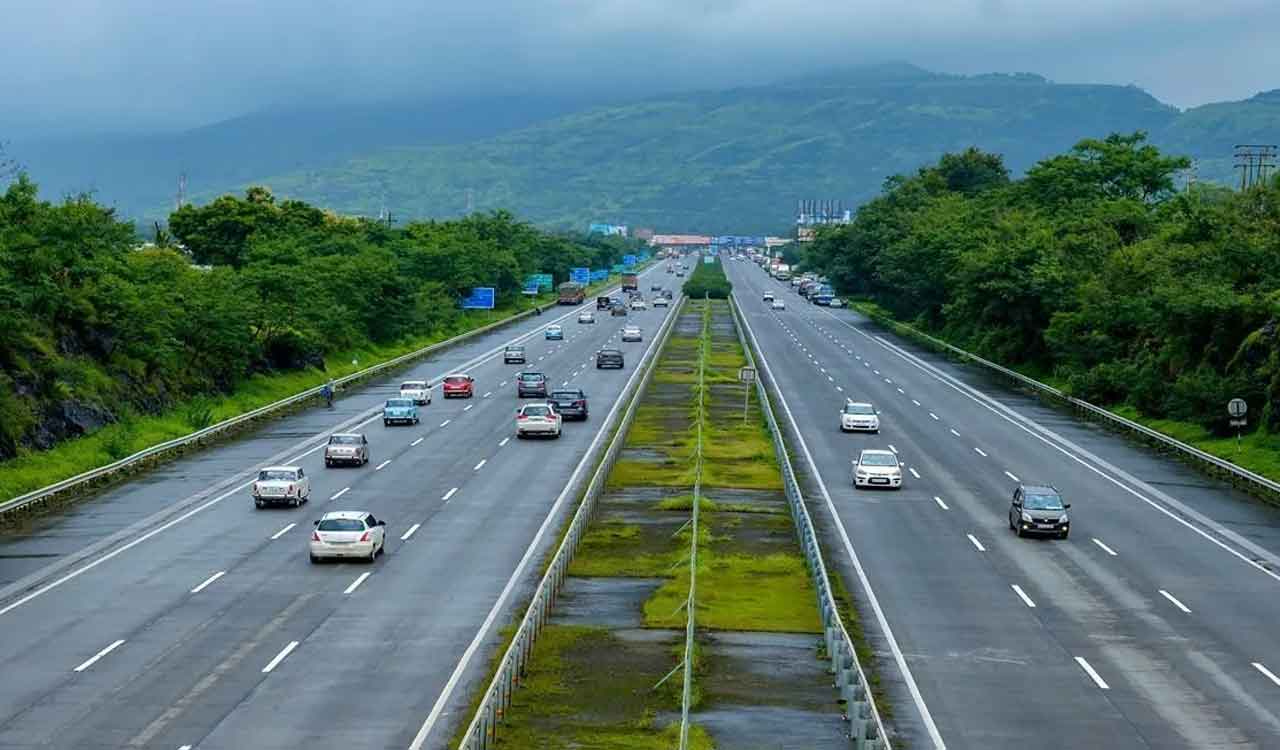
The project aims to reduce travel times, boost logistics efficiency, and accelerate regional economic development across three states representing significant agriculture and manufacturing hubs.
The Route and Impact
The expressway will link major commercial centers, reducing transportation costs for goods and passengers. Current road conditions force long, winding routes; the new expressway creates a direct, high-speed alternative.
Project leaders estimate the corridor will generate employment during construction and ongoing maintenance, support manufacturing clusters, and attract investment to underserved regions.
Timeline and Funding
The Rs 15,000 crore investment comes from national highway budgets and public-private partnerships. Construction timelines typically span 3-5 years for expressway projects of this scale, meaning work could begin within 12 months if approvals proceed smoothly.
The expressway will feature modern facilities including toll plazas, service areas, and integrated safety systems to reduce accident rates.
Broader Strategy
This project is part of India’s National Highways Master Plan, which aims to create a nationwide network of high-speed corridors. Similar projects underway include the Delhi-Mumbai Expressway and coastal corridors linking port cities.
Infrastructure projects of this scale take years to complete but shape regional economics for decades. The Atal Expressway will be a test case for whether India’s project management improves as scale increases.

Follow iNews Zoombangla On Google
Open the Google follow page and tap the checkmark option to receive more updates from iNews Zoombangla in your Google news feed.