Indian EV infrastructure company ChargeZone says it has secured long-term energy contracts worth more than $1 billion across intercity electric buses, trucks and commercial car fleets. Autocar Professional and ETAuto both reported the announcement on September 8. The company says the contracted demand will support a large expansion of its charging network.
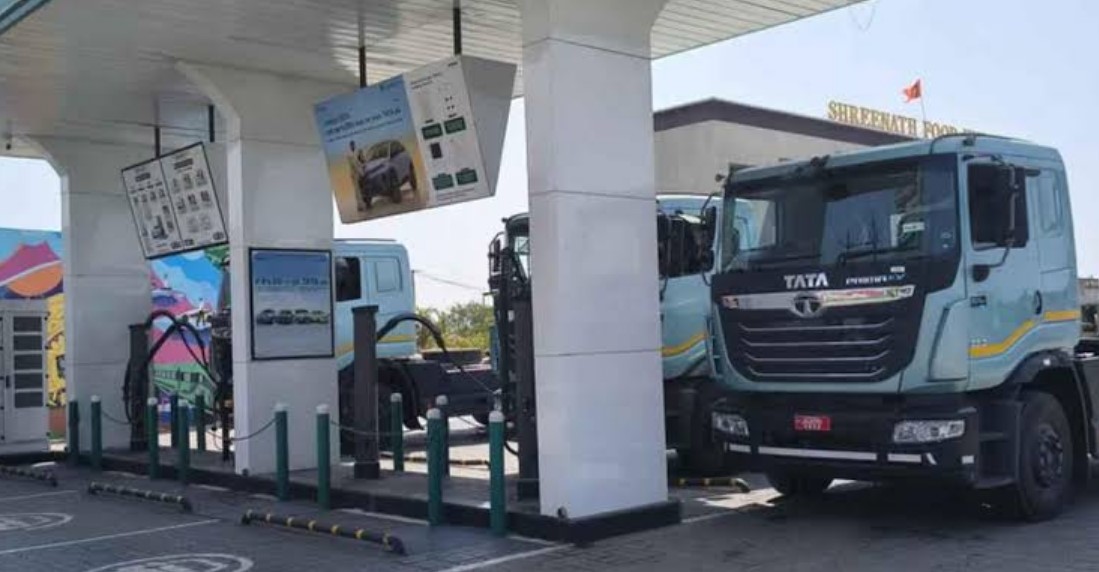
ChargeZone plans to deploy 1,000 new supercharging stations along key national highway corridors. The company expects those sites to support more than 15,000 electric vehicles each day. The focus on commercial fleets is important because buses, trucks and fleet cars usually follow predictable routes and charge more often than private vehicles.
The expansion is expected to add 180 megawatts of charging capacity. ChargeZone says its cumulative network capacity would rise from 120MW to 300MW after the planned work. At full deployment, the company projects annual energy delivery of about 700 gigawatt-hours and expects network utilisation to increase from around 14% to 30%.
Those figures are company projections, not a report of completed construction. The new stations will still require site work, equipment installation, grid connections and operational commissioning. Contracted fleet demand can give a charging operator more confidence before investing, but it does not remove the practical challenges of building infrastructure across long highway corridors.
ChargeZone also said it had secured $25 million in debt financing from Indian banks and plans to raise another $100 million during the 2026–27 period. According to the company, the funds will support charging stations, microgrid infrastructure, energy-management technology and network expansion.
Renewable energy and battery storage are part of the plan. ChargeZone says it will integrate solar generation and battery energy-storage systems at charging sites to manage peak demand and improve local resilience. These systems can reduce pressure on the grid at busy times, although their cost and effectiveness will depend on each location.
The announcement shifts the EV charging discussion from headline charger counts to contracted energy use. If the fleet commitments translate into regular charging sessions, the network could operate with a clearer demand profile. The company’s targets remain forward-looking, so progress will need to be measured against stations commissioned, capacity added and energy actually delivered.
Sources: Autocar Professional and ETAuto.

Follow iNews Zoombangla On Google
Open the Google follow page and tap the checkmark option to receive more updates from iNews Zoombangla in your Google news feed.