A copper-based drug compound has reduced the accumulation of two proteins central to Alzheimer’s disease — amyloid-beta and tau — by 42 percent in human brain cell laboratory models, according to a study published Friday in the journal Cell Chemical Biology, offering researchers a potential new chemical approach to one of medicine’s most intractable problems.
The compound, developed by a team at the University of Melbourne in collaboration with researchers at the University of California San Diego, works by chelating copper ions in specific regions of the brain. Copper dysregulation has been studied as a potential driver of Alzheimer’s for two decades, but previous copper-targeting approaches produced toxicity problems that prevented clinical use. The Melbourne team said their compound selectively targets copper in amyloid plaques without disturbing copper elsewhere in the brain, a specificity that addresses the toxicity problem seen in earlier chelation approaches.
In the cell model experiments, the compound reduced amyloid-beta plaques by 42 percent and tau tangles — the second hallmark protein of Alzheimer’s — by 38 percent compared to untreated controls. The treatment also showed protective effects on mitochondrial function in the neurons, a finding the researchers described as particularly encouraging given that mitochondrial damage is a key mechanism through which Alzheimer’s kills brain cells.
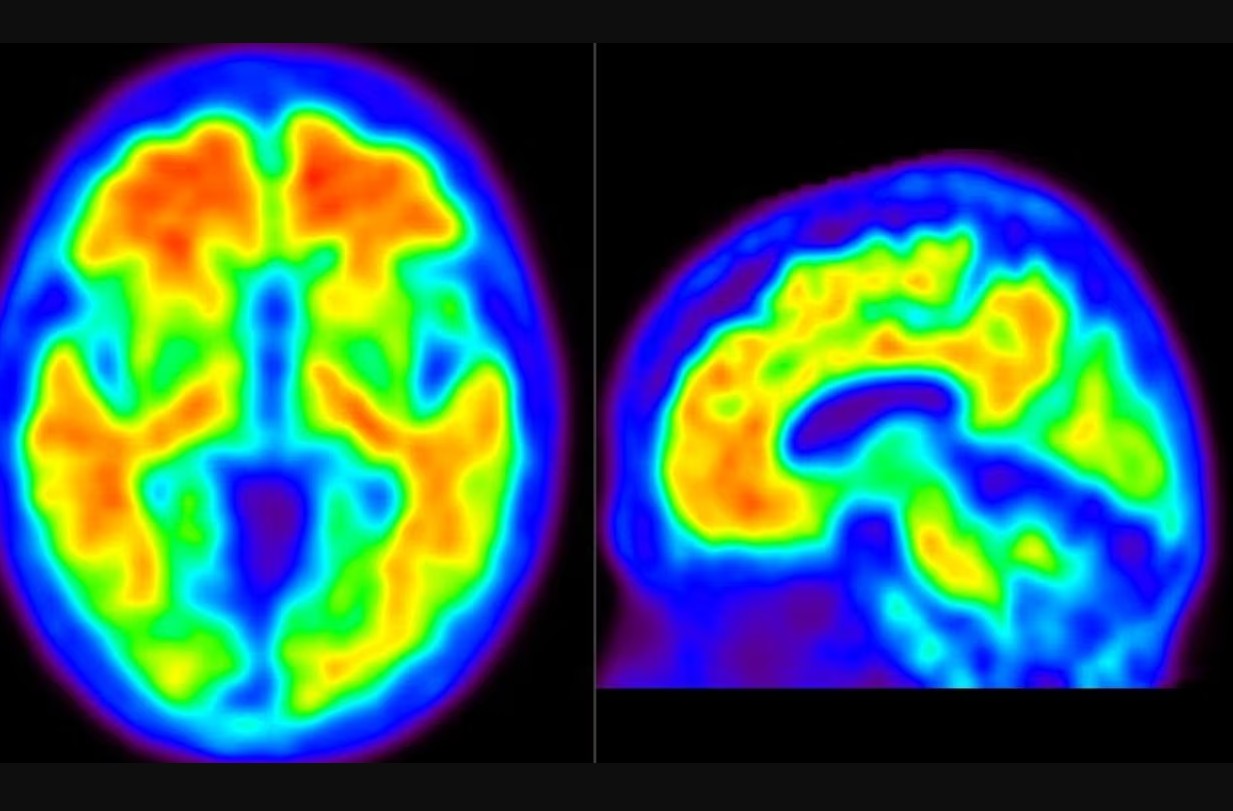
Dr. Anthony White, the study’s lead author at the Melbourne Florey Institute, said the 42 percent reduction figure was more significant than it might appear because it was measured in human brain cell models rather than in mice, an important distinction given that many Alzheimer’s drug candidates that worked in rodent models subsequently failed in human trials.
The compound has not yet been tested in animals or humans. The team said they expected to complete pre-clinical animal testing within 18 months and were in early discussions with pharmaceutical partners about a clinical development pathway. A phase one human safety trial, if pre-clinical results supported it, was described as possible by late 2028.
Alzheimer’s research has been dominated for a decade by drugs targeting amyloid alone, several of which received FDA approval in recent years including lecanemab and donanemab. Those drugs showed statistically significant but modest reductions in cognitive decline, and their cost — around $26,000 a year — and side-effect profile limited their uptake. The Melbourne compound’s dual action on both amyloid and tau, combined with its mitochondrial protection effects, gave it a different mechanism that researchers said could complement or eventually surpass existing treatments.
The Alzheimer’s Association said the study added to a broadening understanding of the disease and welcomed the exploration of copper biology as a therapeutic target. The association’s chief science officer said no single mechanism was likely to fully explain Alzheimer’s and that combination approaches targeting multiple pathways were increasingly seen as the most promising direction. Tau-targeting therapies from other research groups were also in mid-stage clinical trials.
Alzheimer’s disease affects approximately 55 million people worldwide, a number projected to reach 139 million by 2050 as populations age. The economic cost of dementia care globally was estimated at $1.3 trillion annually in 2023 by the WHO.
The study was funded by the National Health and Medical Research Council of Australia and the US National Institutes of Health. The NIH said Friday it would review the findings as part of its ongoing Alzheimer’s disease research funding portfolio to determine whether additional resources should be directed toward copper-biology approaches.

Follow iNews Zoombangla On Google
Open the Google follow page and tap the checkmark option to receive more updates from iNews Zoombangla in your Google news feed.