Dhoot Transmission opened its initial public offering for subscription on Monday. Early grey market activity suggests investors are willing to pay well above the issue price. The auto parts maker wants to raise 3,066.89 crore rupees through the offer, which closes Wednesday.
The IPO price band runs from 829 to 871 rupees per share, with a minimum lot size of 17 shares. Data from IPO Watch and Investorgain put the grey market premium at around 259 rupees per share on Monday morning. That points to a listing price near 1,130 rupees if the premium holds.
That would give investors listing gains of close to 30 percent over the upper end of the price band. Grey market premiums stay unofficial, though, and they can shift fast as subscription numbers come in over the next two days.
The offer splits into a fresh issue worth 1,400 crore rupees and an offer for sale of 1,666.89 crore rupees from existing shareholders. Chittorgarh and Outlook Money published those figures. The company plans to use fresh issue proceeds for capacity expansion and general corporate purposes.
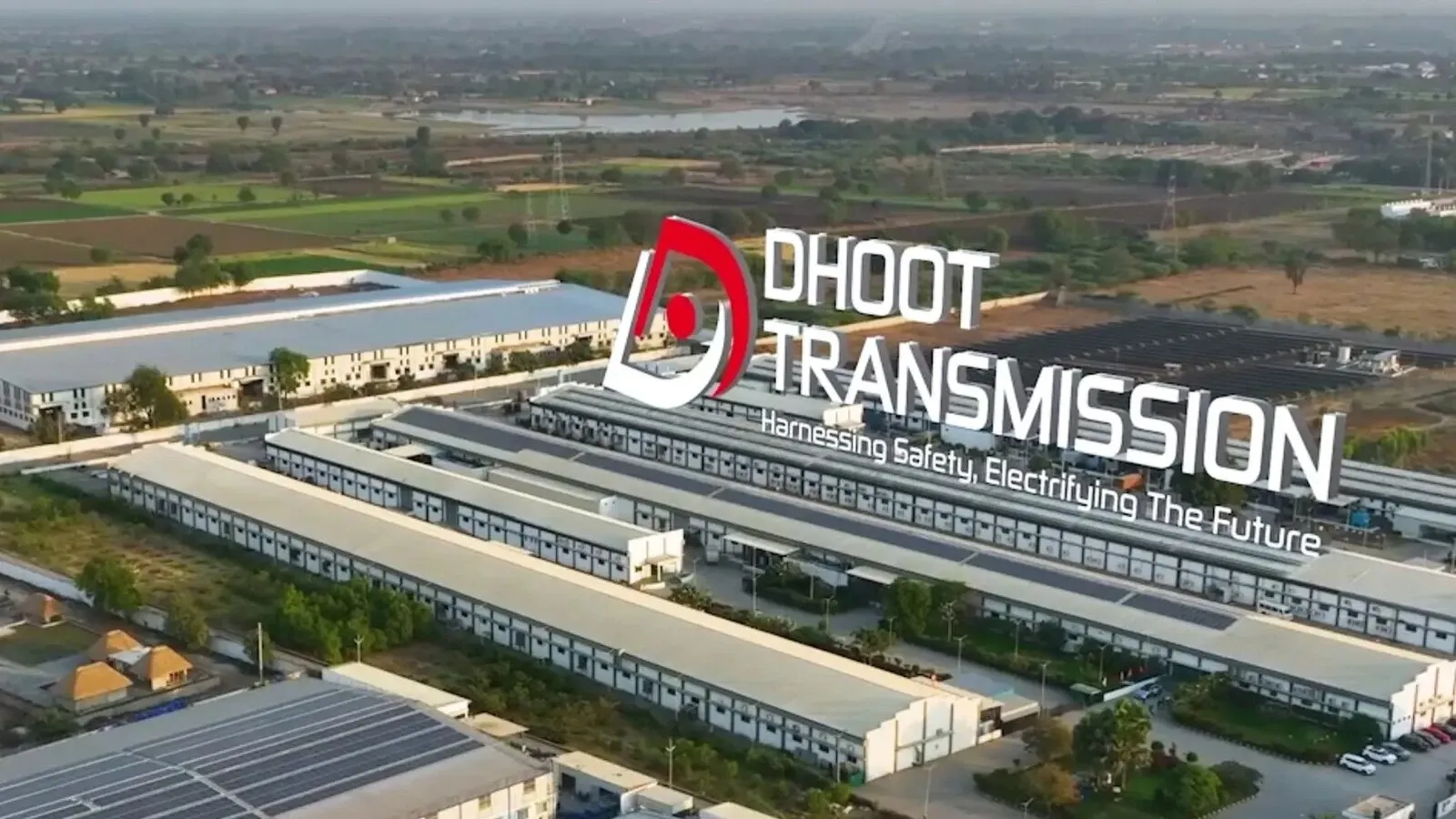
Dhoot Transmission has operated since April 1998. It designs, manufactures and supplies wiring harnesses and electrical distribution systems for automotive and non-automotive clients. Its parts carry power and signals through a vehicle’s electrical system.
The company counts itself among India’s leading electrical and electronics firms. It also serves industrial and non-automotive customers, which gives it a revenue base beyond passenger vehicles alone.
India’s primary market has stayed active this year, with several manufacturing and auto-ancillary firms testing investor appetite. Strong anchor investor demand ahead of an opening day often signals, though it does not guarantee, how retail investors will respond once bidding wraps up.
Shares should list on the BSE and NSE shortly after the offer closes Wednesday, following the usual allotment and listing timeline that Indian IPOs follow. Investors will watch the final subscription tally closely before that debut, since heavy demand from institutional buyers often sets the tone for retail bidding.

Follow iNews Zoombangla On Google
Open the Google follow page and tap the checkmark option to receive more updates from iNews Zoombangla in your Google news feed.