Disney has sold out its advertising inventory for Super Bowl LXI, believed to be the earliest a network has ever sold out of Super Bowl ad slots, Chief Financial Officer Hugh Johnston said during the company’s fiscal third-quarter earnings call.
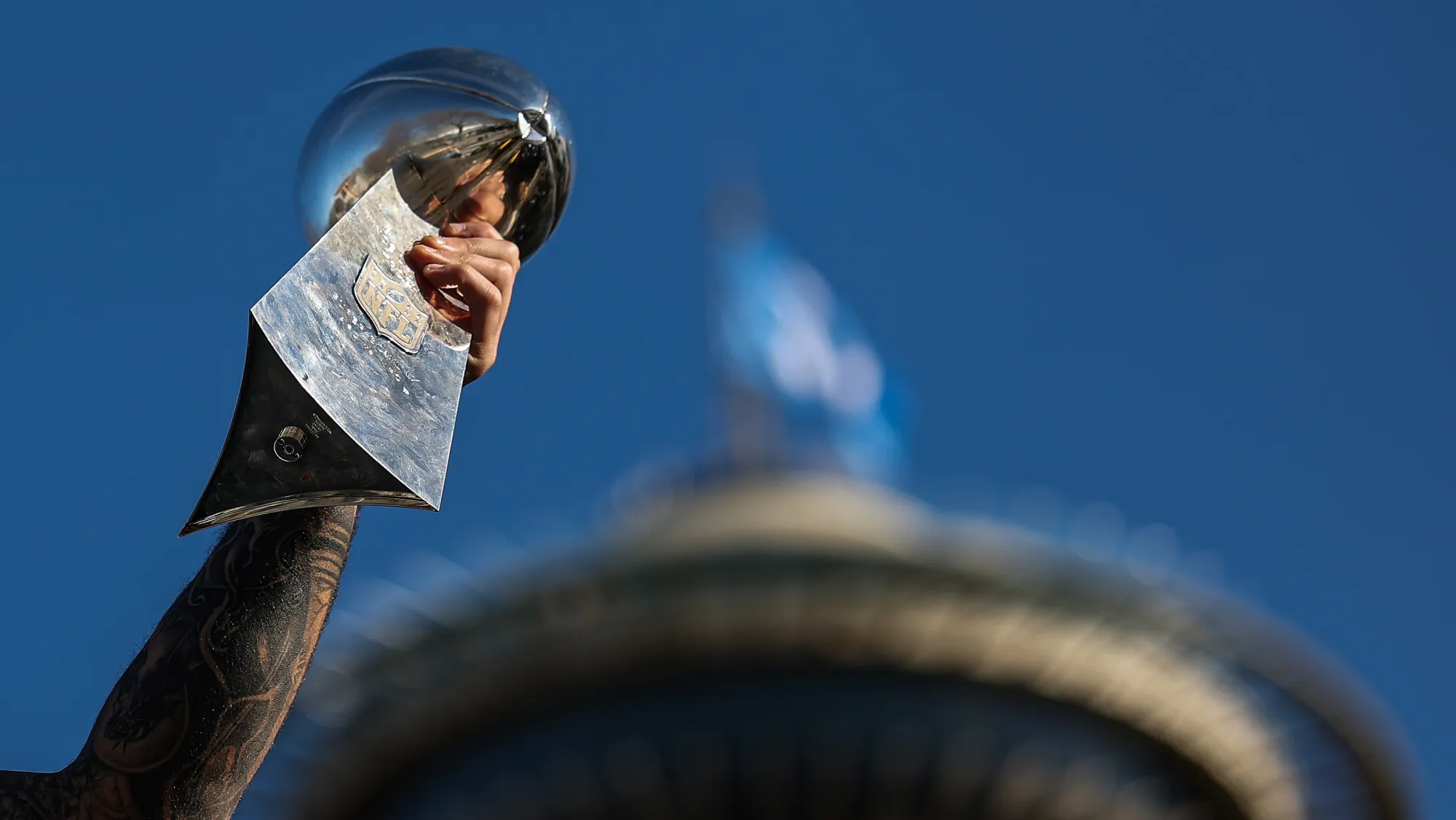
Fifty-eight brands across 34 different categories have purchased time for the broadcast, including nine first-time Super Bowl advertisers. Disney had sought as much as $10 million for a 30-second advertising slot, though some advertisers later said the company adjusted pricing down to a range of $8 million to $9 million.
Johnston also said Disney has completed negotiations for its 2026-27 upfront sales cycle, with total volume commitments up by double digits compared with the prior year, and commitments tied to sports programming increasing by the low teens.
Super Bowl LXI is scheduled for February 14, 2027, and will mark the first time the game airs on ESPN, in a simulcast alongside ABC. The date falls on Valentine’s Day and is followed the next day by the federal Presidents Day holiday, a scheduling quirk that some advertisers and marketers have noted could shape audience viewing patterns around the game.
The early sellout comes as Disney also signaled interest in launching a free, ad-supported streaming service, a move the company discussed during the same earnings call as part of its broader strategy to expand its advertising business across both traditional broadcast and streaming platforms.
The speed of this year’s sellout reflects continued strong demand for Super Bowl advertising despite a broader environment of economic uncertainty and cautious ad spending in some sectors, with major brands apparently still willing to commit early and pay premium prices to secure placement during what remains the single most-watched television event in the United States each year.
Disney’s ability to move its entire Super Bowl inventory well ahead of the game underscores the value networks continue to place on live sports programming as a rare form of appointment viewing in an era of fragmented streaming audiences, and it sets an early benchmark for how the rest of the 2026-27 advertising market may perform heading into next year.

Follow iNews Zoombangla On Google
Open the Google follow page and tap the checkmark option to receive more updates from iNews Zoombangla in your Google news feed.