The Ebola outbreak spreading across eastern Democratic Republic of Congo and into Uganda has surpassed 837 confirmed and probable cases, the World Health Organization reported Friday, as health authorities scrambled to contain a strain of the virus for which no approved vaccine currently exists.
The current outbreak involves the Sudan ebolavirus disease strain, known as SVD, which is distinct from the Zaire strain that drove previous large outbreaks and for which an effective vaccine, rVSV-ZEBOV, exists. SVD vaccines remain in clinical trial phases, meaning responders are relying entirely on contact tracing, isolation, and supportive care rather than ring vaccination strategies that contained previous outbreaks.
The WHO said the outbreak, which began in North Kivu province in early April, has spread to six provinces in eastern Congo and crossed into Uganda’s Bundibugyo district. A total of 287 deaths have been confirmed, giving the current outbreak a case fatality rate of approximately 34 percent. The comparable rate for the Zaire strain in the 2014-16 West Africa epidemic was around 40 percent without treatment.
WHO Director-General Tedros Adhanom Ghebreyesus convened an emergency committee meeting this week that stopped short of declaring a Public Health Emergency of International Concern, or PHEIC. The committee said the outbreak met three of the four criteria for such a declaration but concluded that existing response structures were functioning adequately for now. A follow-up review is scheduled for July 10.
The outbreak has been complicated by ongoing armed conflict in eastern Congo, where multiple rebel groups and Rwandan-backed forces have been active. Health workers from Médecins Sans Frontières said they had been unable to reach several affected communities because of security conditions. At least two treatment facilities had been damaged in fighting since April.
Around 1,200 health workers have been deployed to the outbreak zones by the WHO, the Africa CDC, and partner organizations. The United States Centers for Disease Control and Prevention said Friday it was sending an additional 45 personnel to support surveillance and laboratory capacity. The UK government announced £8 million in emergency funding for the response on Thursday.
Experimental SVD vaccines from two manufacturers — the Sabin Vaccine Institute and a consortium led by the Institut Pasteur — are in phase two trials in the affected region. Neither has completed efficacy studies. Regulatory authorities in the DRC have authorized compassionate use for one of the candidates, and approximately 1,800 frontline health workers and close contacts have received doses under that framework. Preliminary safety data from the compassionate use program had shown no serious adverse events as of last week.
Ugandan authorities placed Bundibugyo district under a modified lockdown on Thursday, restricting movement and closing markets and schools in the affected area. The government said it had identified 240 contacts of confirmed cases in Uganda and was monitoring them daily. Uganda has previous experience with SVD outbreaks, including a 2022 episode in which 142 cases and 55 deaths were recorded before the outbreak was contained after four months.
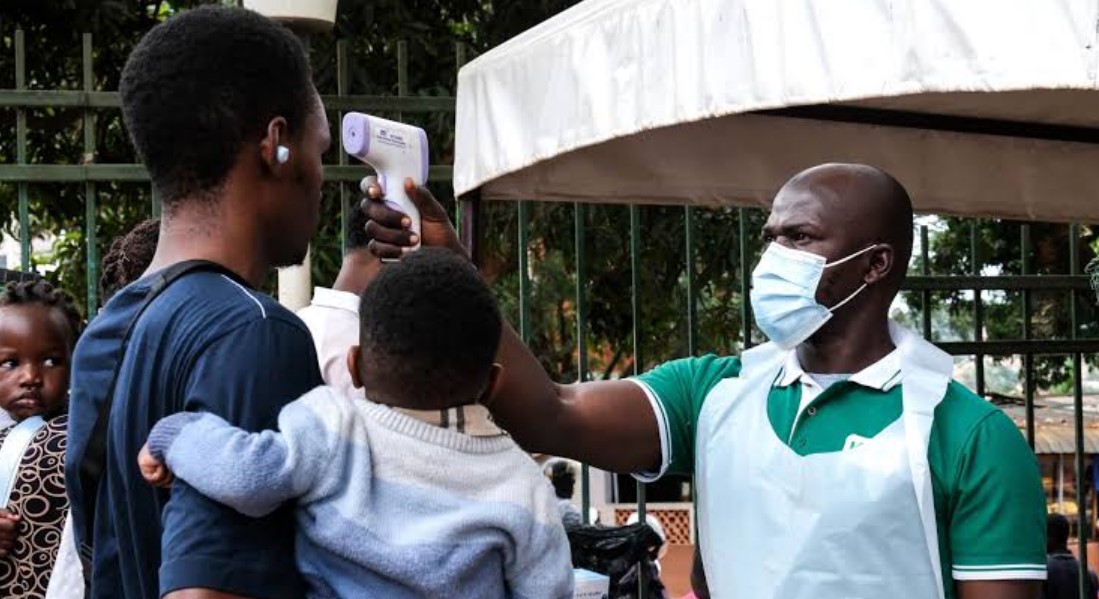
The risk of international spread is considered low by WHO due to the limited travel connections from the affected region. WHO’s risk assessment rates international spread risk as “low” but warned that if the outbreak continues to grow, that assessment would be revisited. Screening measures are in place at regional airports and border crossings in Uganda, Rwanda, and Burundi.
The WHO said the key variable in containing the outbreak before the rainy season worsened road access in September was whether trial vaccines could be authorized for broader emergency use in the coming weeks.

Follow iNews Zoombangla On Google
Open the Google follow page and tap the checkmark option to receive more updates from iNews Zoombangla in your Google news feed.