Electra EV is seeing the strongest part of India’s electric-vehicle market emerge in commercial transport, where the cost of daily operation can matter more than the novelty of the powertrain. The company makes motors, controllers, battery packs and other systems used by vehicle makers, giving it a view of the engineering work behind electric fleets.
The Economic Times reported that Electra expects its business to grow sharply as orders increase for electric light commercial vehicles, buses, trucks and three-wheelers. The report also described battery energy storage as an important part of the company’s plans. Those are management expectations, so they should be read as a business outlook rather than a guaranteed result.
Commercial buyers judge an electric vehicle differently from a private-car customer. They look at how many hours it can work, how quickly it can be recharged, what a battery replacement may cost and whether a service team can keep the vehicle moving. A powertrain supplier therefore has to balance performance with durability, thermal management and a clear maintenance process.
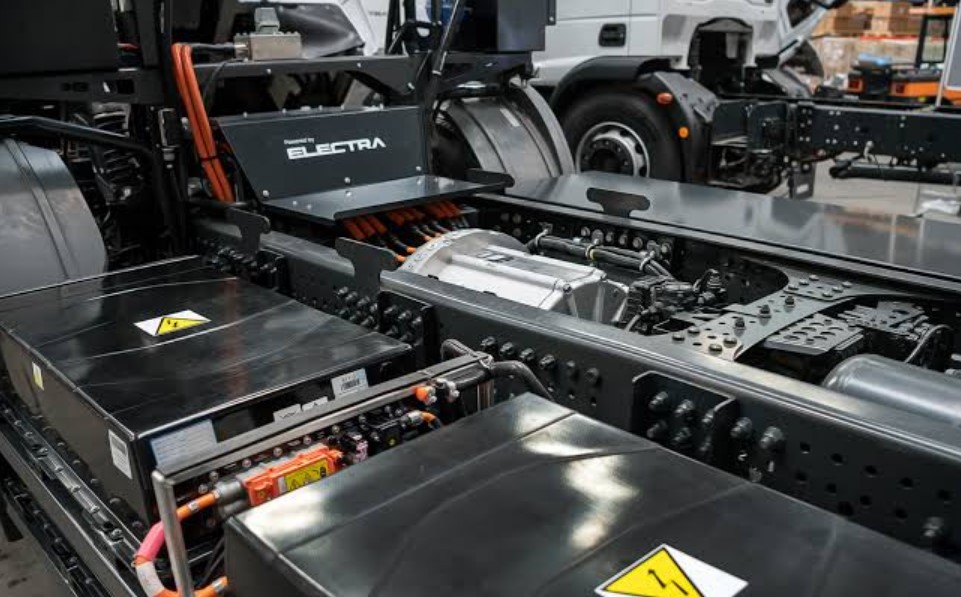
Electra’s own technical material describes an integrated approach that covers battery packs, motors, power electronics, software and vehicle integration. Bringing those pieces together can reduce the number of engineering handoffs for an original-equipment manufacturer. It can also make testing more consistent, provided the supplier keeps strong quality controls as production grows.
Fleet operators will care about data as well. Energy use, charging time, fault history and route conditions can reveal whether a vehicle is delivering the savings expected from electrification. The information needs to reach the fleet manager and the service team in a form that supports quick decisions, without exposing unnecessary personal or commercial data.
The commercial focus also shows why India’s EV transition is not only a question of consumer launches. Delivery fleets, buses and three-wheelers can build demand for components at scale, but their requirements are exacting. Vehicles need reliable uptime and support in the places where they work.
Electra’s expansion story is therefore about the systems around an electric vehicle as much as the battery inside it. If commercial demand continues to rise, suppliers that combine integration, testing and after-sales support will have a larger role in making electric mobility dependable.