The reported development is recorded under the focus phrase engineered yeasts plastic waste. Researchers are testing engineered yeasts that convert compounds derived from plastic and crop waste into ingredients for food experiments. The work was presented through the American Chemical Society and reported by Phys.org as a study of possible routes for turning waste-derived chemicals into useful products.
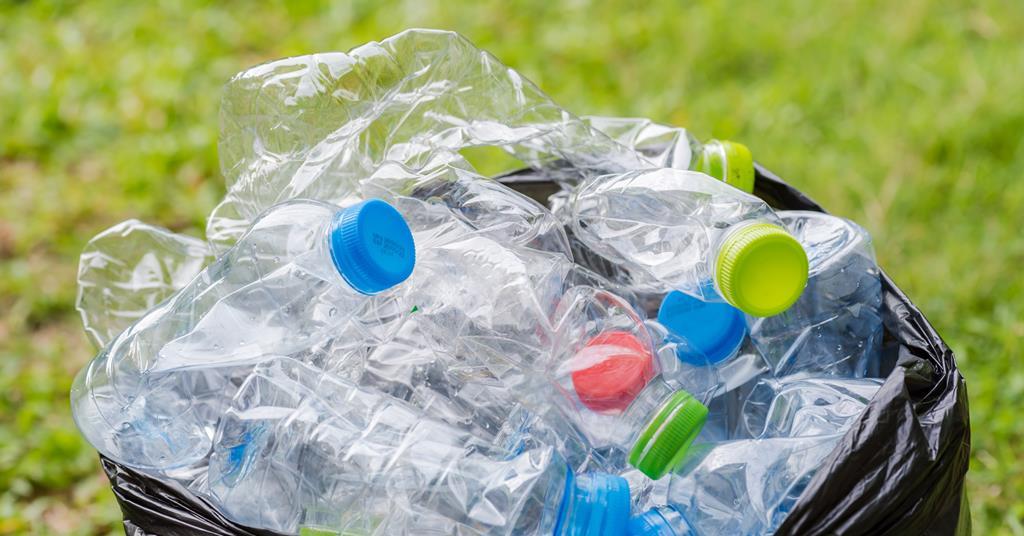
One engineered strain of Saccharomyces cerevisiae produced vanillin from ferulic acid, a compound associated with plant material. Another yeast, Rhodotorula toruloides, used ethylene glycol to produce beta-carotene.
The researchers used the resulting ingredients in microbites, or 3D-printed cookies, as a demonstration of how microbial conversion could connect waste processing with food production. The experiment remains at the research stage and is not a retail food product.
The study describes a laboratory process rather than a claim that consumers should eat untreated plastic waste. Further work would be needed to assess safety, scale, cost and regulatory requirements before any commercial use.
The current coverage gave the event a specific date and location, or identified the named organisation behind it. Where the reports described a proposal, estimate, scheduled launch or ongoing investigation, those limits remain part of the confirmed account and are not treated as a completed outcome.

Follow iNews Zoombangla On Google
Open the Google follow page and tap the checkmark option to receive more updates from iNews Zoombangla in your Google news feed.