The reported development is recorded under the focus phrase NASA starshade rocky exoplanets. NASA researchers are studying a starshade concept that could help a large ground-based telescope directly image rocky planets around other stars. The proposed High-contrast Orbiting Exoplanet Experiment combines a spacecraft that blocks starlight with a telescope on Earth.
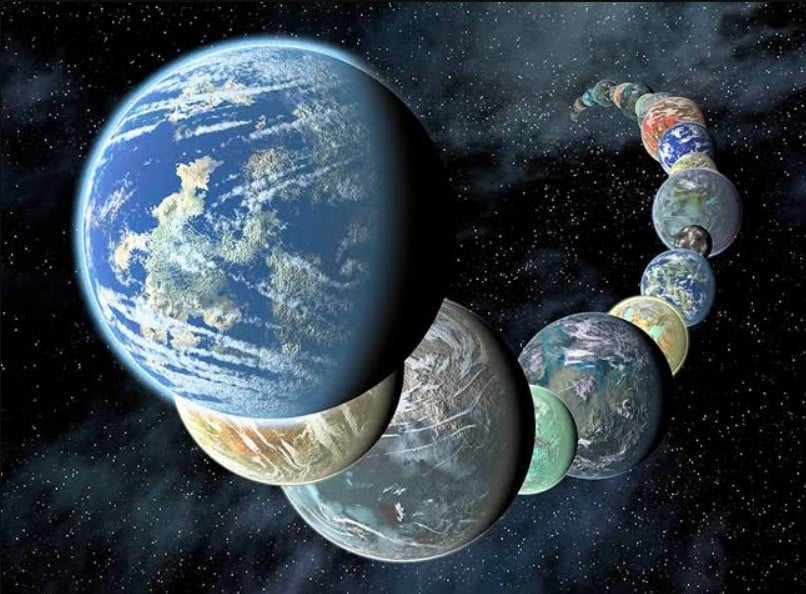
A starshade would fly between the telescope and a target star, suppressing the star’s glare so that a much fainter planet could be observed. The concept is intended to address the contrast problem that makes Earth-sized worlds difficult to see beside their stars.
NASA describes the work as a technology and mission concept, not an operating observatory. The research concerns future observation methods and does not announce a funded launch or a confirmed schedule for a starshade mission.
The agency’s exoplanet programme identifies direct imaging as a way to study the atmospheres and environments of distant worlds. Any future system would require further engineering, testing, funding and coordination with a suitable ground telescope.
The current coverage gave the event a specific date and location, or identified the named organisation behind it. Where the reports described a proposal, estimate, scheduled launch or ongoing investigation, those limits remain part of the confirmed account and are not treated as a completed outcome.