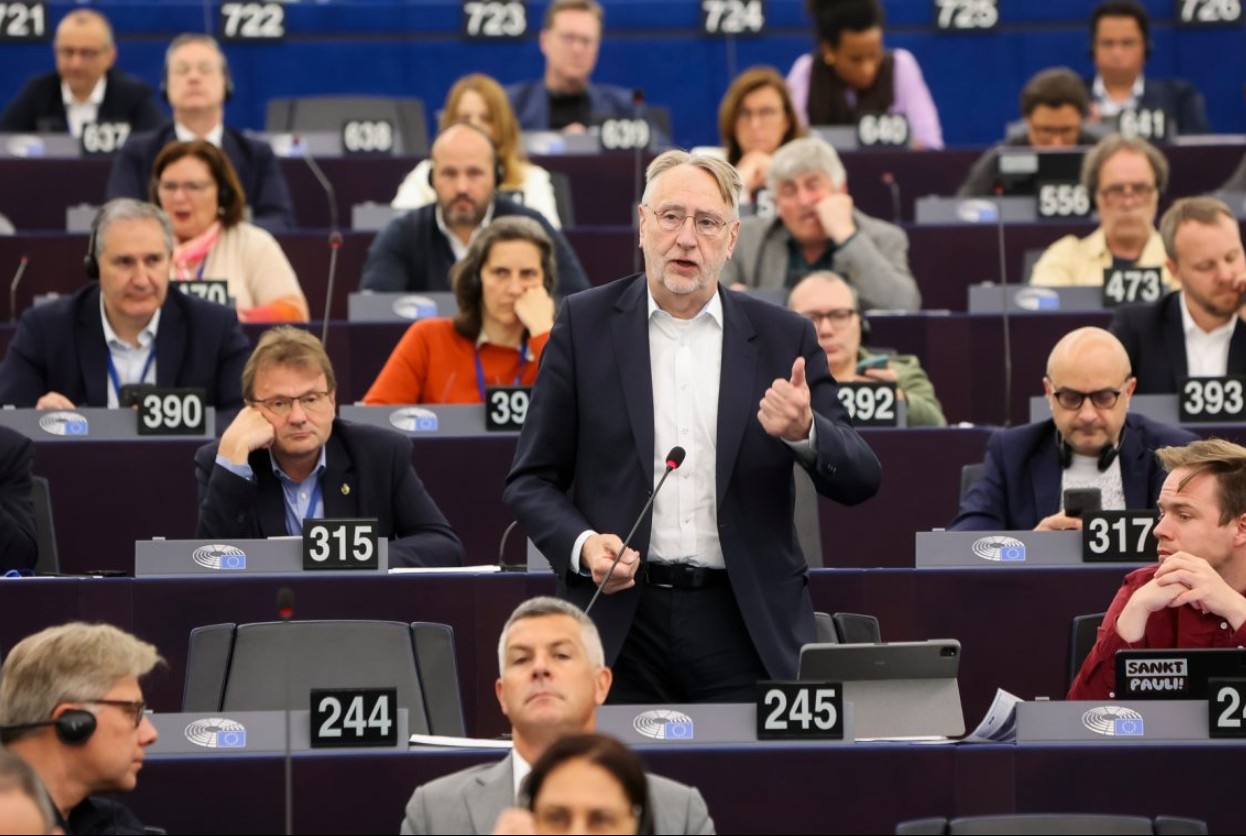
The European Parliament voted 440 to 151 on Wednesday to ratify the landmark trade agreement between the European Union and the United States, moving the deal closer to final adoption just days before Donald Trump‘s July 4 deadline.
The vote was the most decisive step yet in a months-long negotiation process that began in April, following the US decision to impose broad tariffs on European goods earlier this year. Under the terms agreed, a 15 percent cap would apply to most EU exports to the United States, replacing the higher tariffs that had caused significant disruption to European industries since early 2026.
European Parliament President Roberta Metsola described the result as a signal that Europe and the United States could find common ground. The agreement still requires final ratification by the EU Council, with a vote expected on June 26.
Trump had set July 4 as the hard deadline for a deal, tying the date to US independence celebrations and framing any failure to agree as a European rejection of American partnership. The margin of Wednesday‘s vote — 440 in favor, 151 against, with 12 abstentions — reflects broad cross-party support despite opposition from some left-wing and far-right groups.
The deal covers manufactured goods, agricultural products and digital services, though certain sensitive sectors including European audiovisual content and US steel are covered by separate side agreements. Critics on the European left have raised concerns about food standard compromises, while some on the right argue the 15 percent cap remains too high for certain industries.
Market reaction was broadly positive. The euro strengthened slightly against the dollar following the vote, and European auto stocks rose on expectations of improved access to American consumers.
The deal represents the most significant EU-US trade framework in decades. EU trade representatives spent weeks in Washington after G7 talks opened in Evian and laid the groundwork for a final push. The bloc had also been coordinating with allies, with Zelensky at G7 pressing for economic alignment alongside security commitments.
The broader geopolitical context helped push the deal forward. The EU has maintained strong positions on sanctions and trade, most recently with EU Russia sanctions reinforcing its stance on economic independence from authoritarian partners. The European Parliament published a full breakdown of the vote and key terms by category.
With the Council vote ten days away, both sides are focused on implementation — including which US tariffs would be suspended immediately and which would be phased out over 18 months. A failure at the Council stage remains possible but is considered unlikely given the scale of the parliamentary majority.

Follow iNews Zoombangla On Google
Open the Google follow page and tap the checkmark option to receive more updates from iNews Zoombangla in your Google news feed.