India’s Food Safety and Standards Authority of India has ordered a halt to the sale of several whisky and rum variants from some of the country’s best known liquor brands, including three variants of Old Monk rum, after laboratory tests found artificial flavoring in products expected to develop taste naturally through distillation and aging.
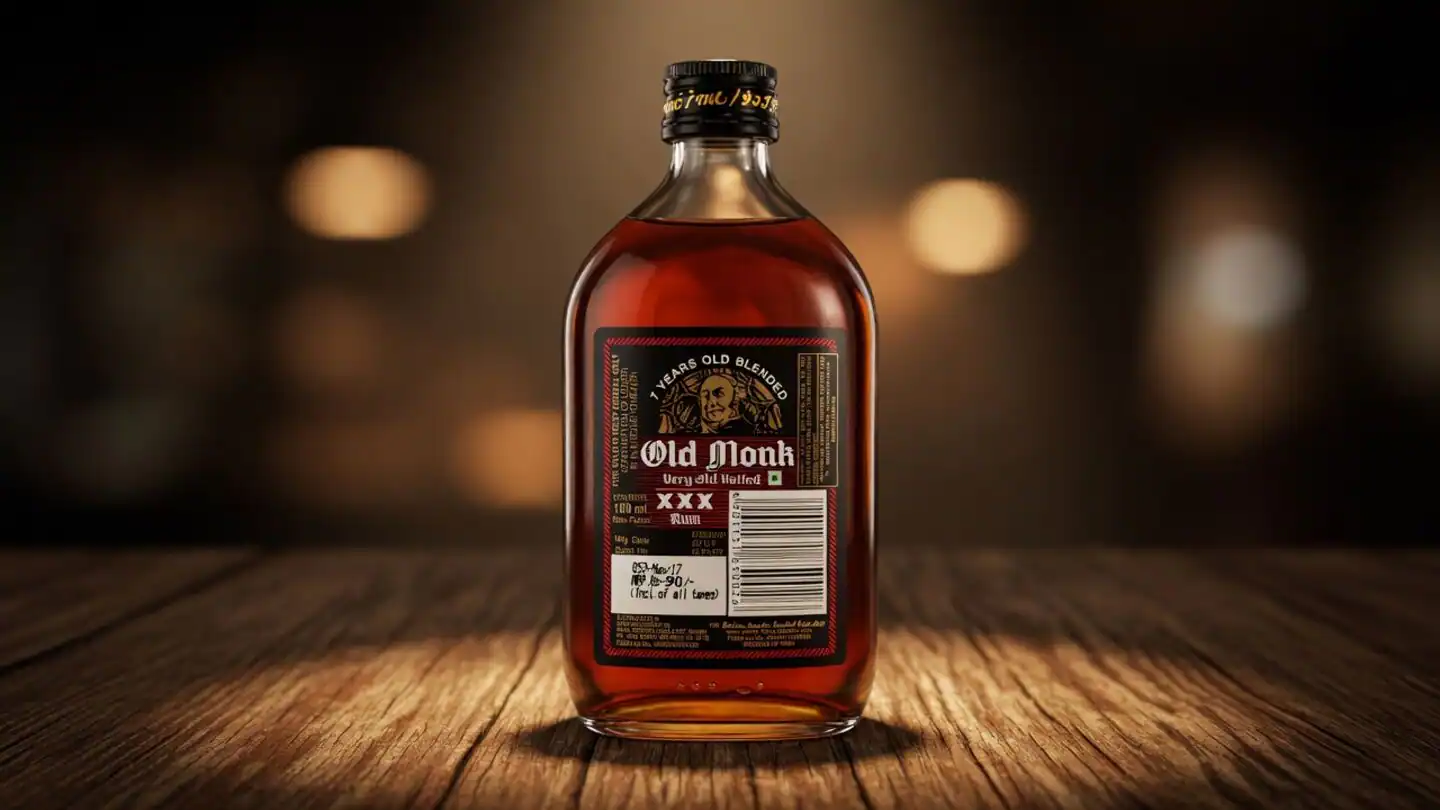
The banned Old Monk variants, The Legend, Gold Reserve and XXX Matured Rum, are manufactured by Mohan Rocky Springwater in Maharashtra, according to a Reuters report cited by Goodreturns. The action also covers Antiquity Blue Whisky and Royal Challenge Whisky, made by United Spirits at a Madhya Pradesh plant under parent company Diageo India, along with Bagpiper Deluxe Whisky and Old Cask Deluxe XXX Rum manufactured by Inbrew Beverages, also in Madhya Pradesh.
FSSAI said there is no internationally accepted manufacturing practice under which rum flavor is added to rum or whisky flavor is added to whisky. Under established standards, the regulator said, these spirits are expected to acquire their taste and aroma through fermentation, distillation, blending and aging rather than externally added artificial or nature-identical flavoring.
Investigators also flagged a mislabeling issue tied to the XXX variant marketed as 7 years old blended. Lab findings showed the product was built mostly from unaged neutral spirit, with matured rum making up under 5 percent of the blend. Under the Food Safety and Standards Alcoholic Beverages Regulations, 2018, an age claim on a label must reflect the youngest spirit used in the mix, not the oldest.
The order applies to specific variants tied to the named production facilities rather than a blanket ban on the brands nationwide. It remains unclear whether the same restrictions extend to identical brands manufactured at other licensed plants that supply different state markets, and authorities are expected to clarify the scope of the action.
Consumers are not expected to see these brands vanish from retail shelves immediately, but distributors, wholesalers and liquor retailers may begin checking stock that originated from the affected manufacturing units while they wait for further guidance from regulators.

Follow iNews Zoombangla On Google
Open the Google follow page and tap the checkmark option to receive more updates from iNews Zoombangla in your Google news feed.